

Concept Art
Worlds, creatures and visual development.
What this major can become
Real roles our students grow into, the industries that hire them — and why this path is a good bet.
Jobs you can do
- Concept Artist
- Visual Development Artist
- Illustrator
- Matte Painter
- Art Director (entertainment)
Industries that hire
Film & game pre-production, animation studios, publishing, theme parks
Why it’s a good bet
- You design the worlds everyone else builds — first in the pipeline
- Strong fundamentals make you resilient as tools change
- Portfolio-driven hiring: skill speaks louder than school name
Recommended schools
Programs our Concept Art students most often apply to — and get into.

How to build a Concept Art portfolio that gets in
Concept art programs want to see how you think, not just how you render. A strong portfolio shows ideas, process and the drawing fundamentals that hold them up.
- 01
Lead with observational drawing
Figure, perspective and still-life studies from life prove you understand form and light. Reviewers trust imagination more when they can see it rests on real observation.
- 02
Show your process, not only finals
Include thumbnails, silhouette sheets and iteration pages next to finished pieces. Many programs say they want to see how you get from a rough idea to a solved design.
- 03
Design with a clear purpose
Every character, creature or environment should answer a brief: who uses it, where, and why. Function and story make a design feel believable.
- 04
Build a small, connected world
A short series set in one invented world shows consistency and depth. It reads more like real production work than a stack of unrelated pictures.
- 05
Balance digital and traditional work
Digital painting is expected in the field, but sketchbook pages and traditional media show your hand. Check each school's current guidance on what media they prefer.
- 06
Edit hard and order with care
Put your strongest, most original piece first and end on another strong one. A tighter portfolio of confident work beats a longer one with weak fillers.
Common mistakes to avoid
- Copying popular game or anime styles instead of designing your own ideas
- Showing only polished paintings with no sketches or process
- Weak perspective and anatomy hidden under heavy rendering
Want to know where your portfolio stands?
Bring your current work to a free review — a mentor will tell you the most useful next step.
What you'll learn
A staged path — fundamentals first, then specialization, then the portfolio itself.
Foundation training
Concept art is drawing. There is no shortcut around it.
- Observational and life drawing
- Figure drawing, anatomy and construction
- Perspective and environment construction
- Value, light and shadow
- Colour theory and colour scripts
- Composition and visual storytelling
- Sketchbook and daily studies habit
Concept art specialization
Designing worlds that could actually be built.
- World-building and visual development
- Creature and character design
- Environment thumbnails and composition
- Prop, vehicle and costume design
- 3D blockouts to support painting
- A full vis-dev package for one world
Portfolio & application
Life drawing pages win places. Every time.
- Leading with life drawing and observational studies
- Curating a coherent vis-dev package
- School-specific requirements (ArtCenter, Gnomon, SVA)
- Artist statement and process documentation
- Portfolio site and PDF presentation
- Mock interviews and portfolio reviews
Why students choose NPC
Portfolio prep is crowded. What is rare is a twenty-year record of actual offers, and mentors who have done the job.
20+ years and 3000+ graduates
Offers from Harvard, Cornell, RISD, Carnegie Mellon, Parsons, ArtCenter and USC — 900+ university offers and $60M+ in scholarships since 2007 — every year since 2012 published school by school.
Mentors from the industry
Art directors and artists whose work spans Disney and Nickelodeon films, LEGO films, Tencent and AAA games — people who know what a portfolio has to survive.
Fundamentals first, always
Admissions committees reject weak drawing before they ever reach your concept. We build observation, perspective, value and colour before specializing.
Built to each school’s requirements
CSM, Parsons, RISD and Sheridan all ask for different things. We build to the schools you are actually applying to — not a generic portfolio.
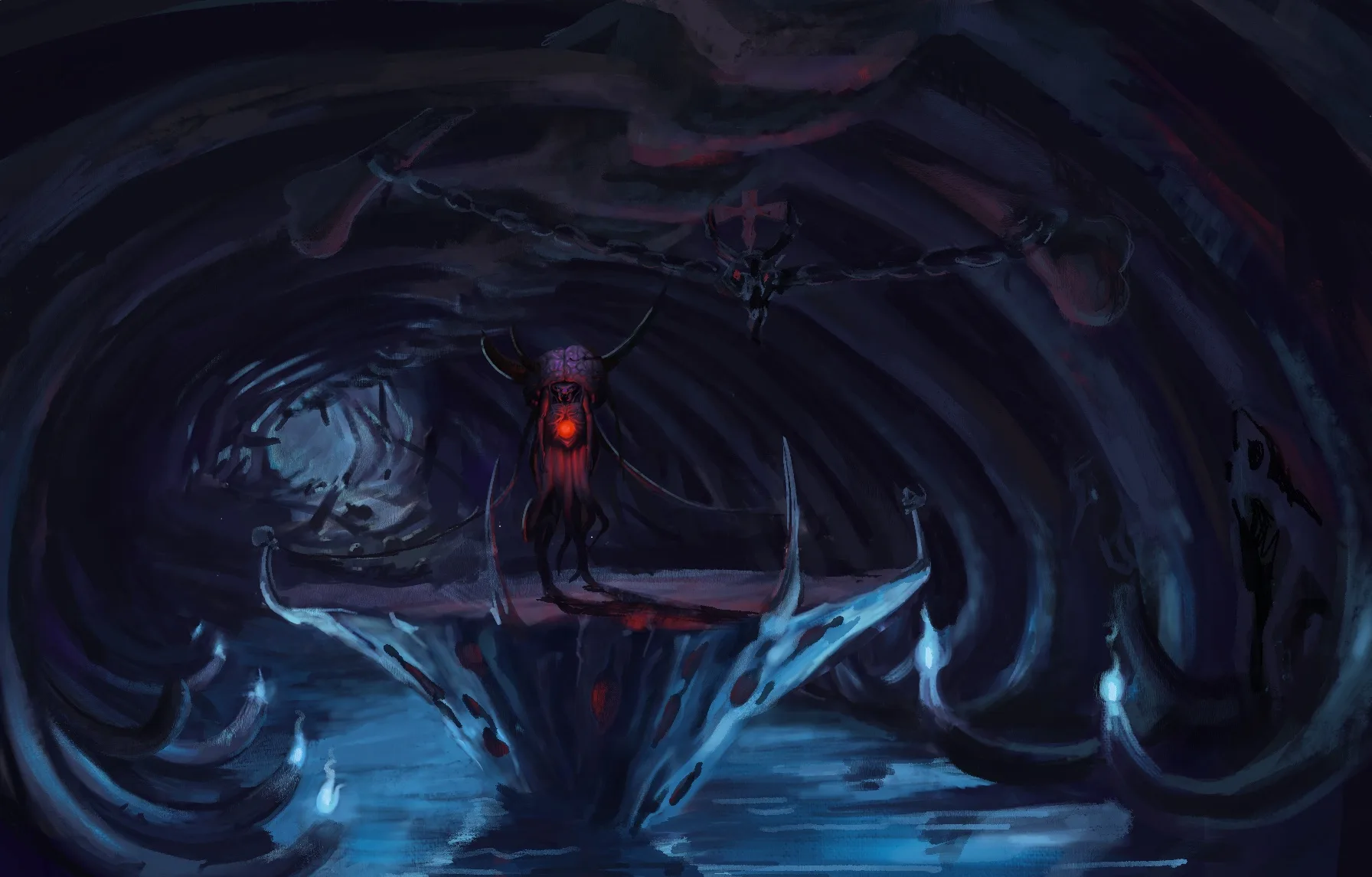
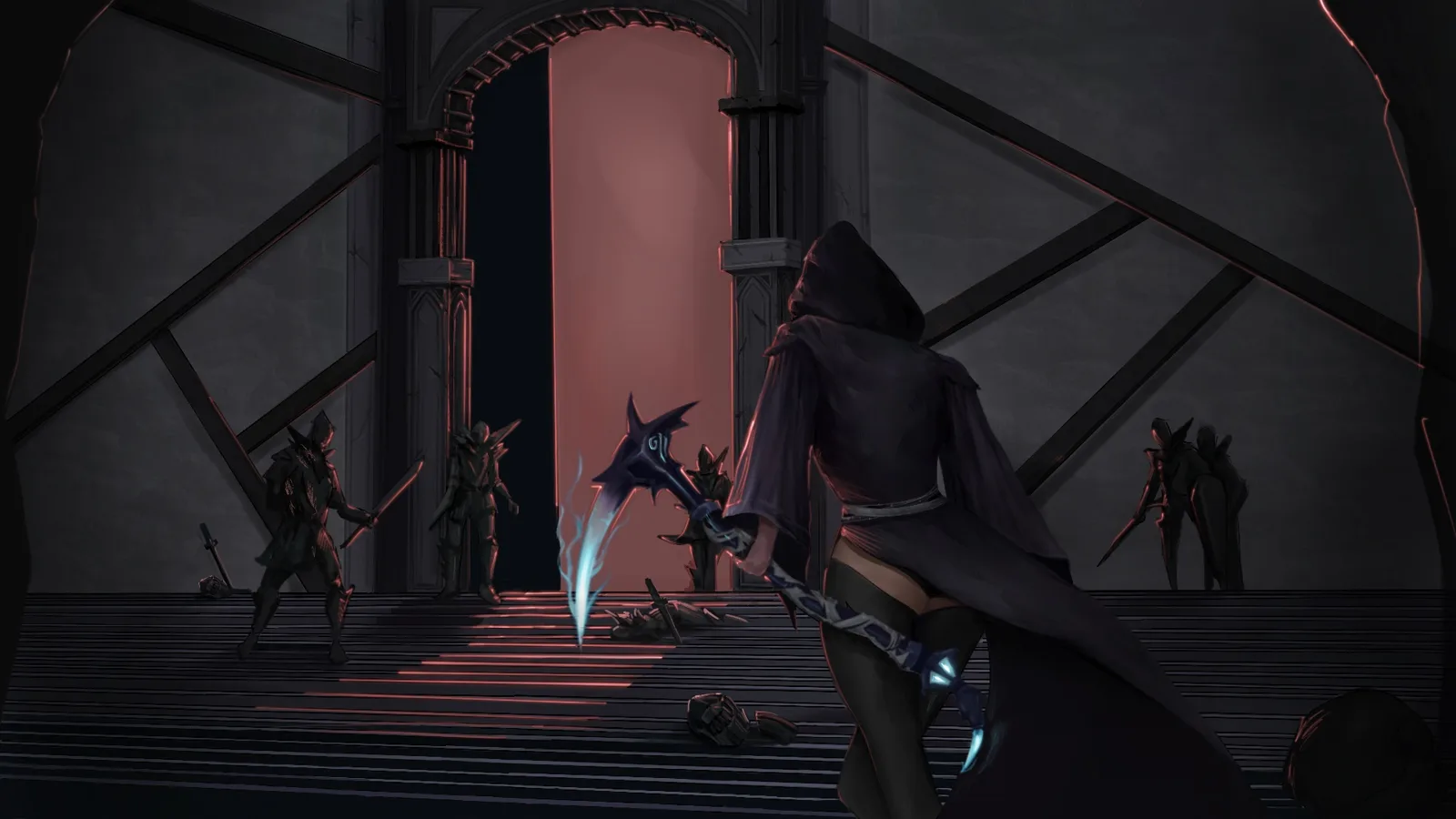
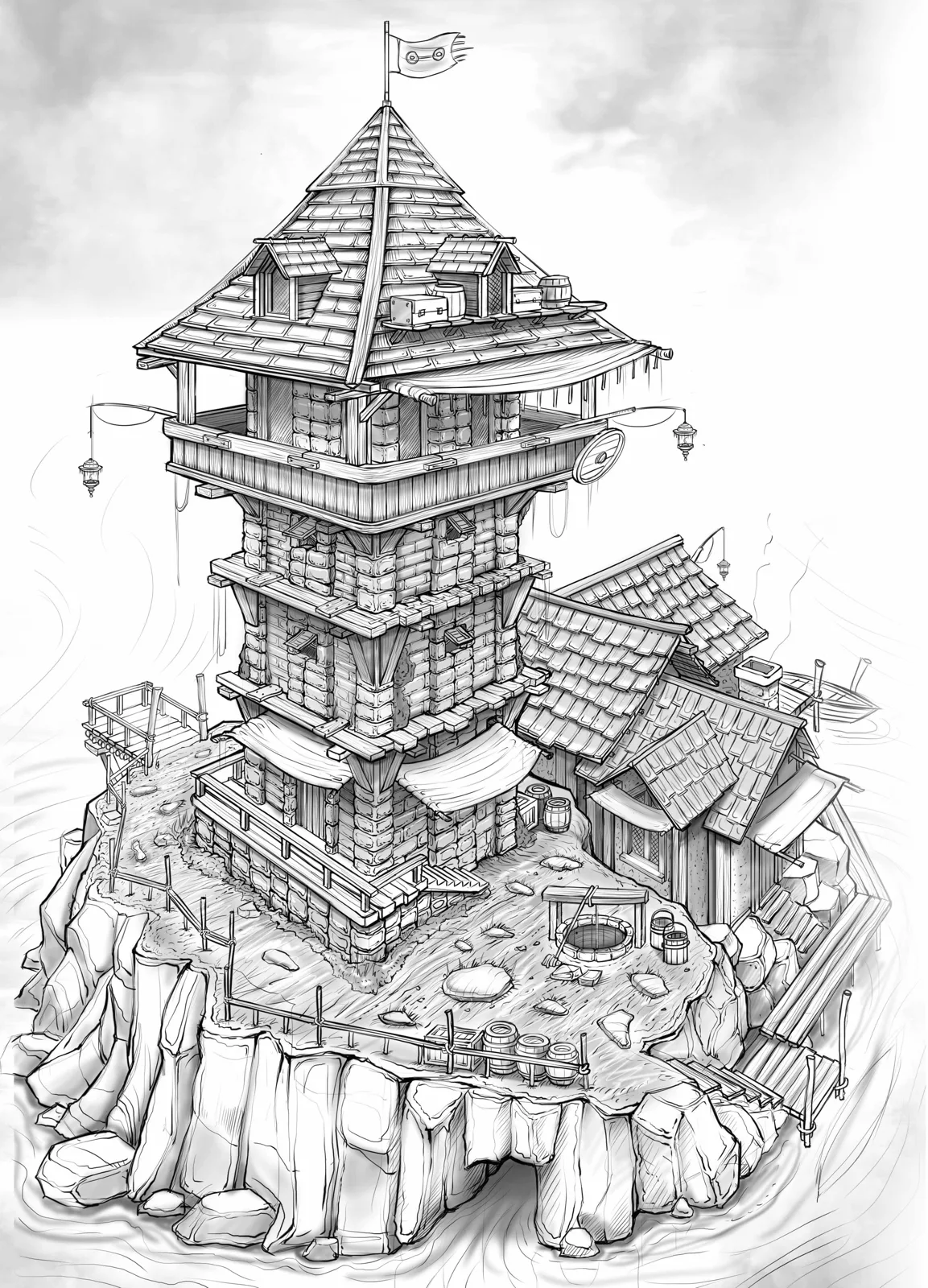
Concept Art — made by our students
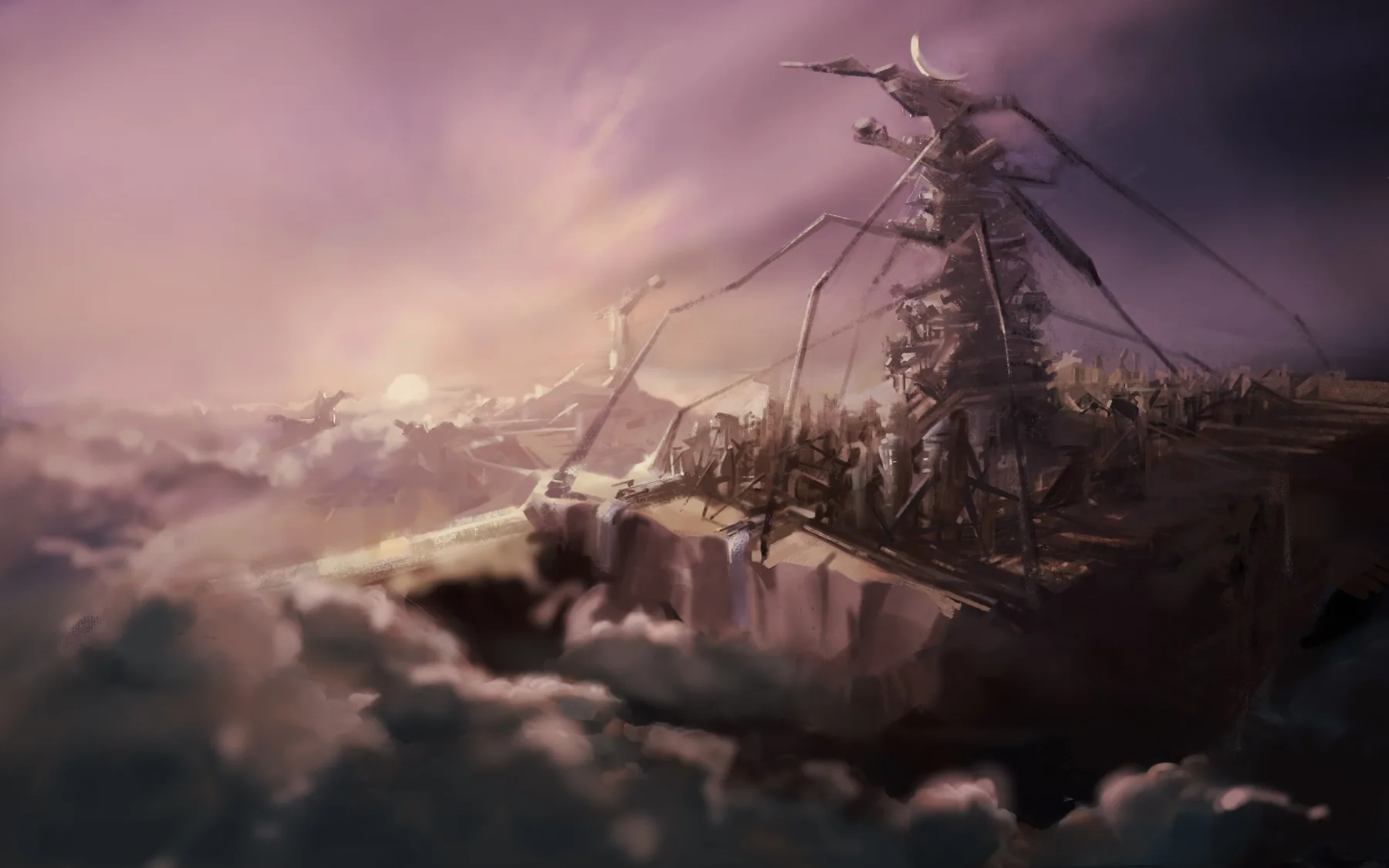 Film concept — sky ship above the cloudsPortfolio Development
 Concept ArtPortfolio Development
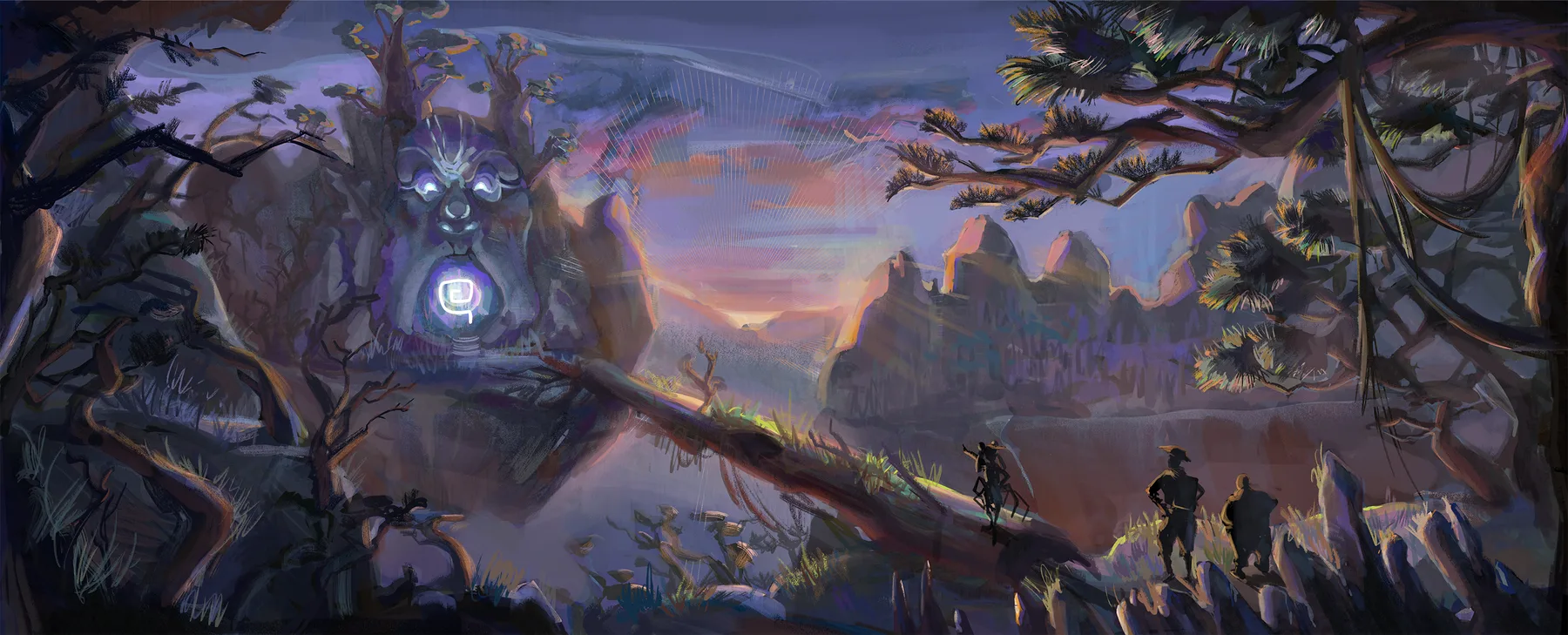 Film environment concept — forest ruins at duskPortfolio Development
 Concept ArtPortfolio Development
 Concept ArtPortfolio Development
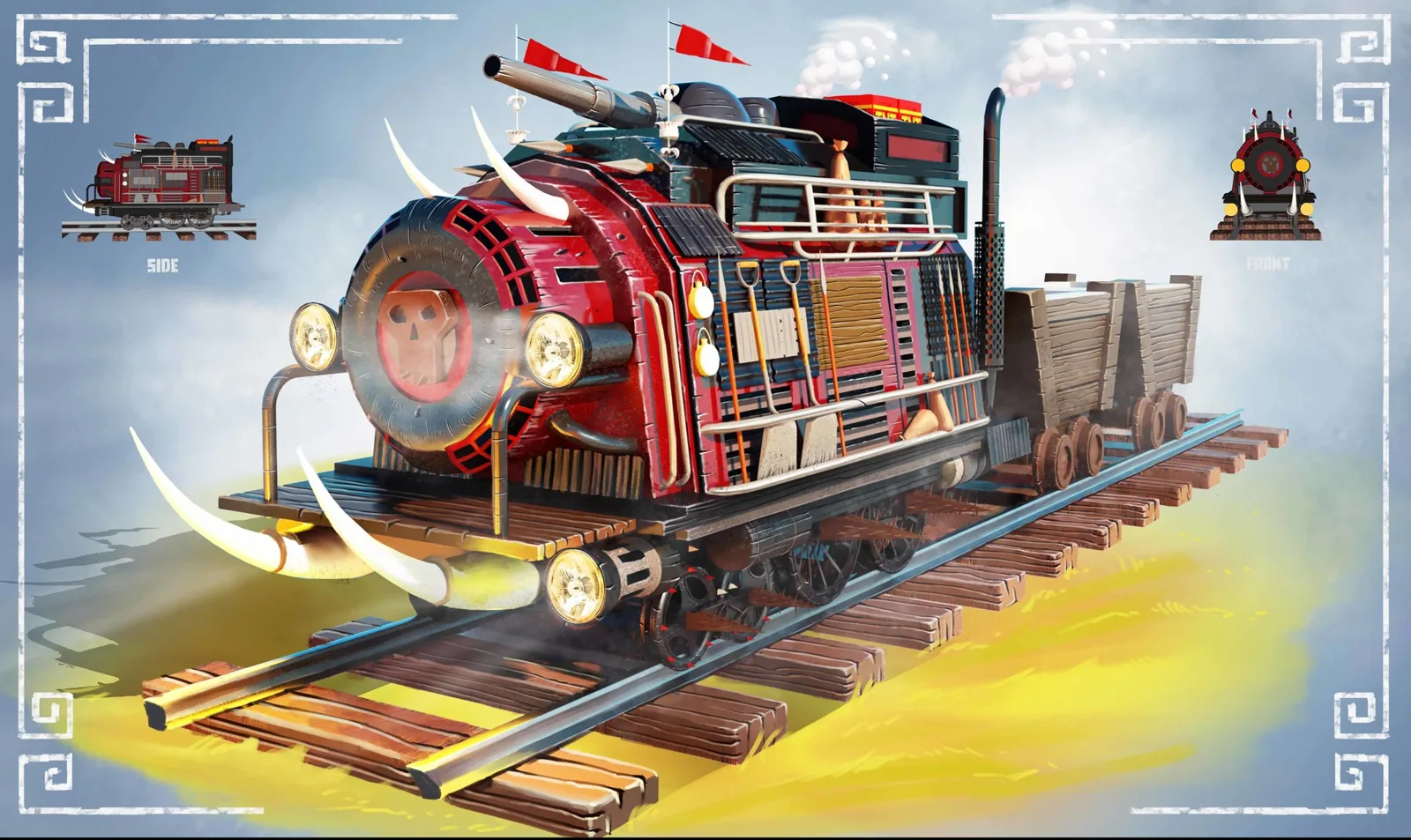 Concept ArtPortfolio Development
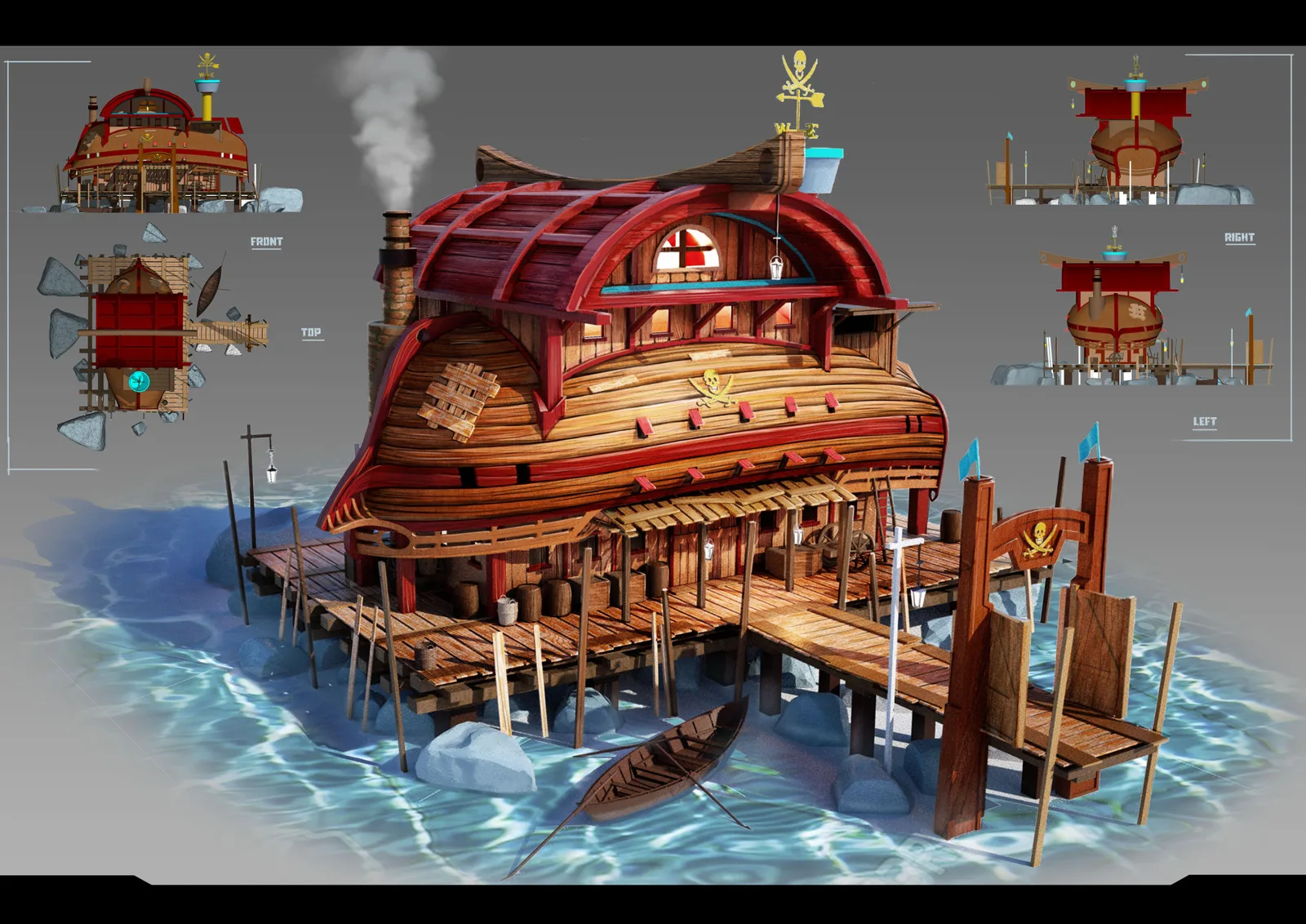 Concept ArtPortfolio Development
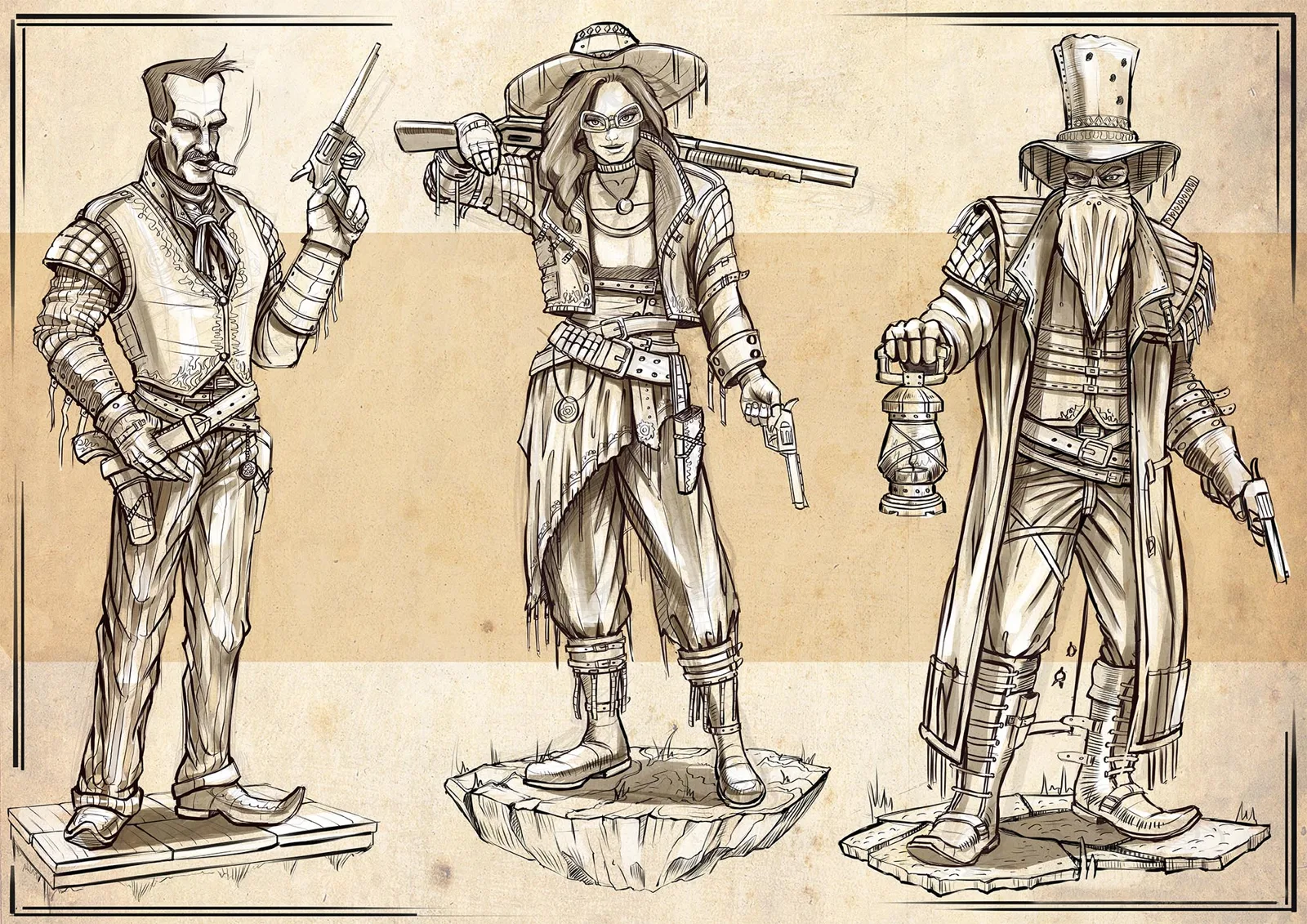 Concept ArtPortfolio Development
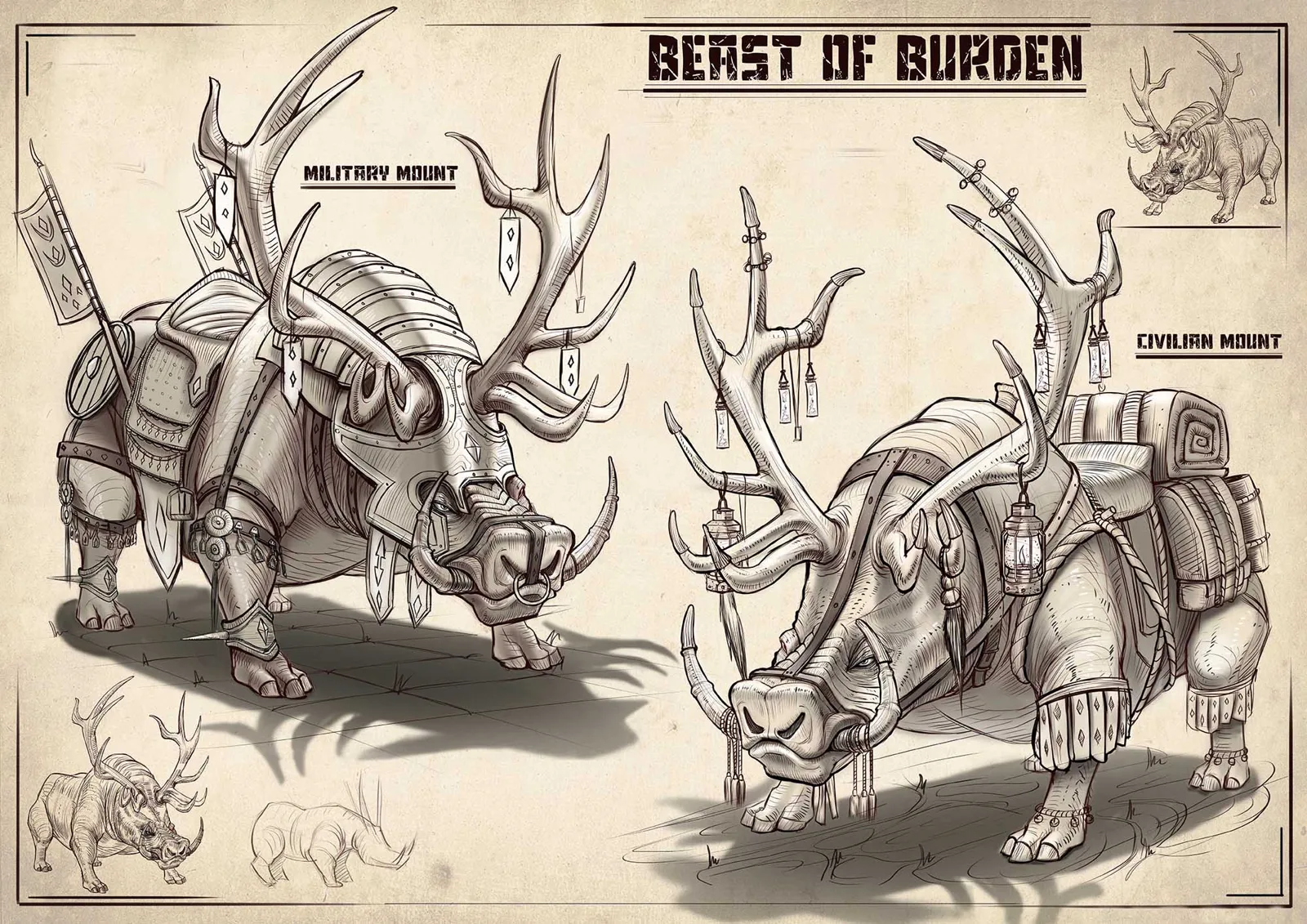 Concept ArtPortfolio Development
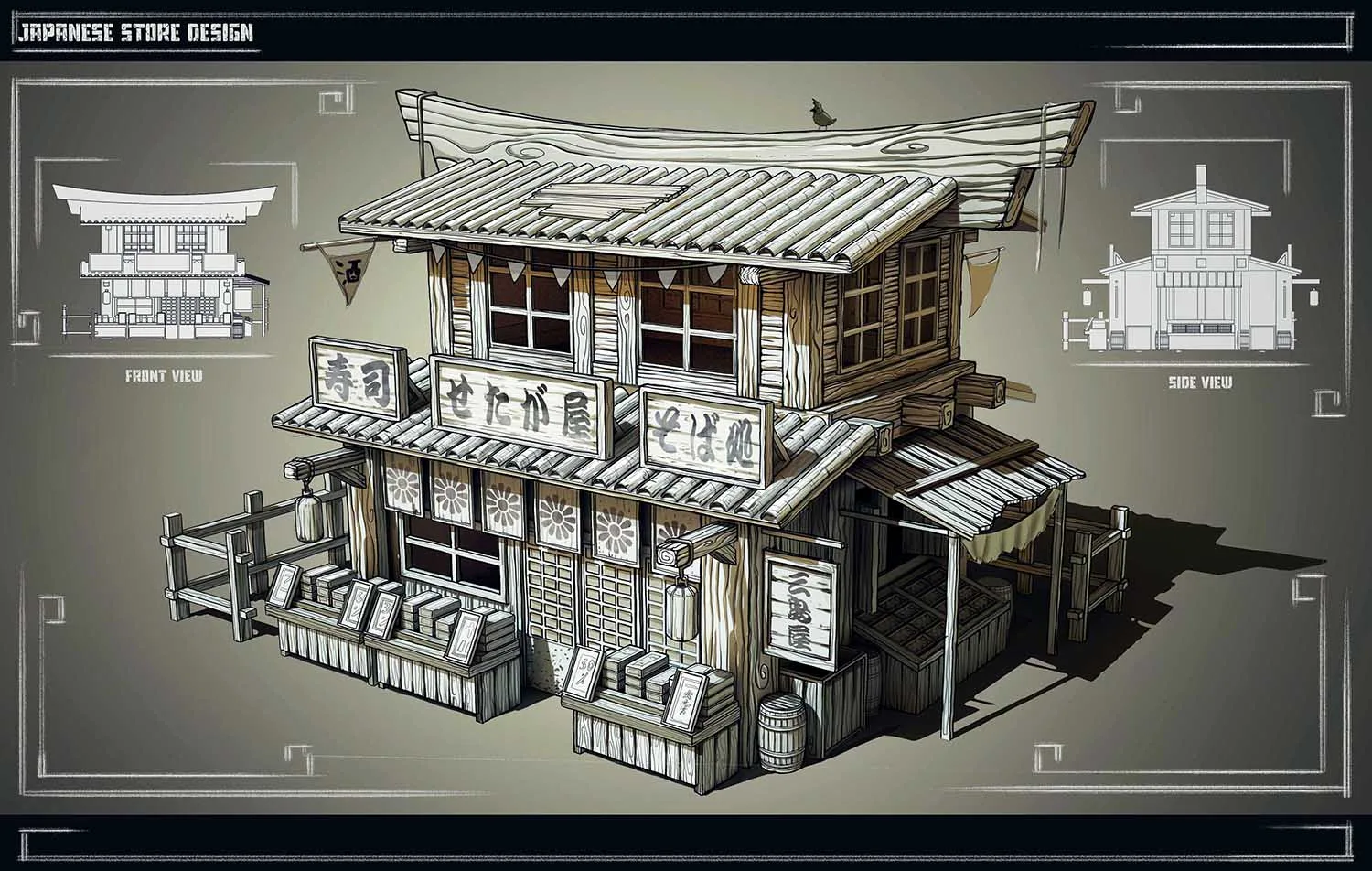 Concept ArtPortfolio Development
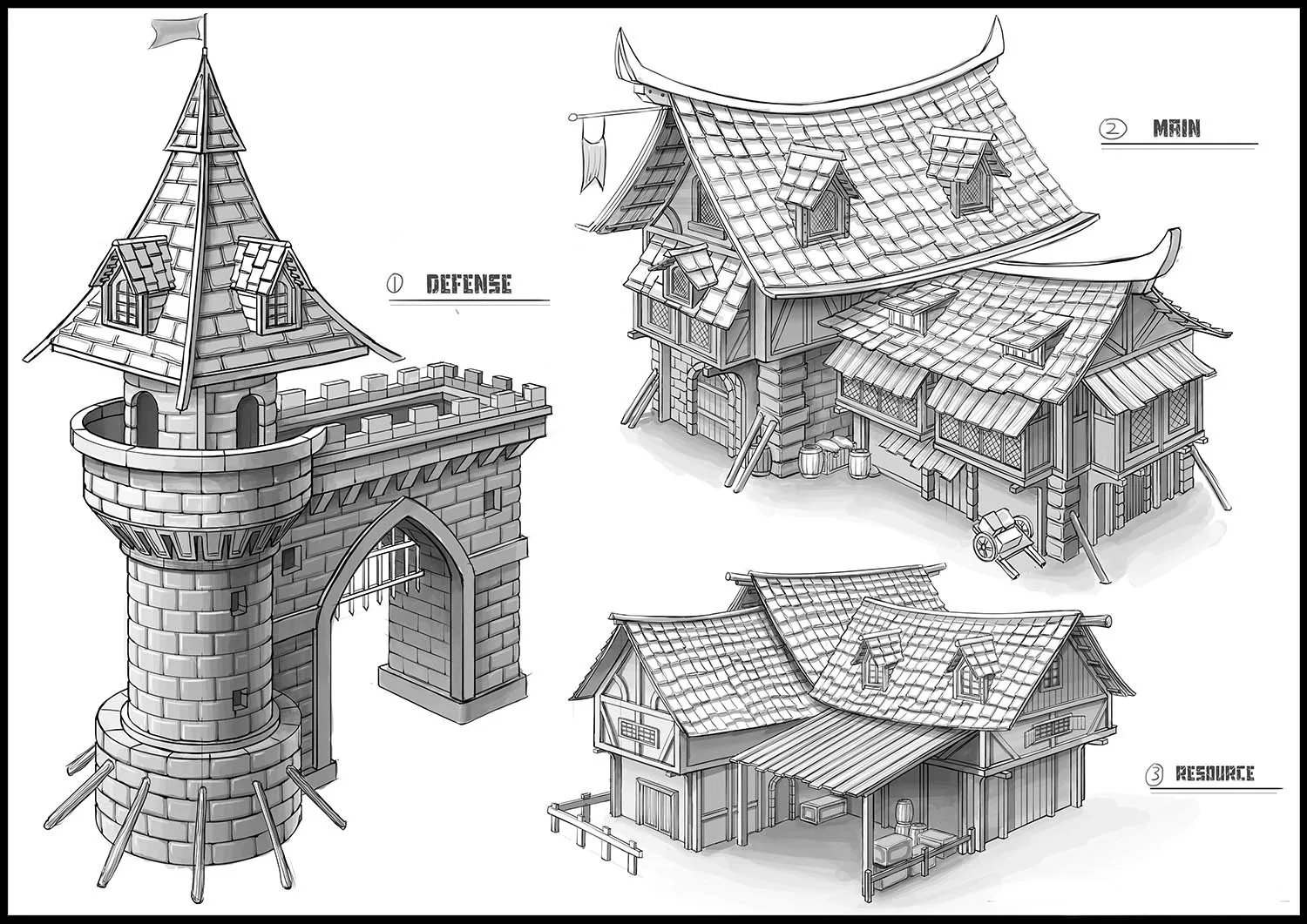 Concept ArtPortfolio Development
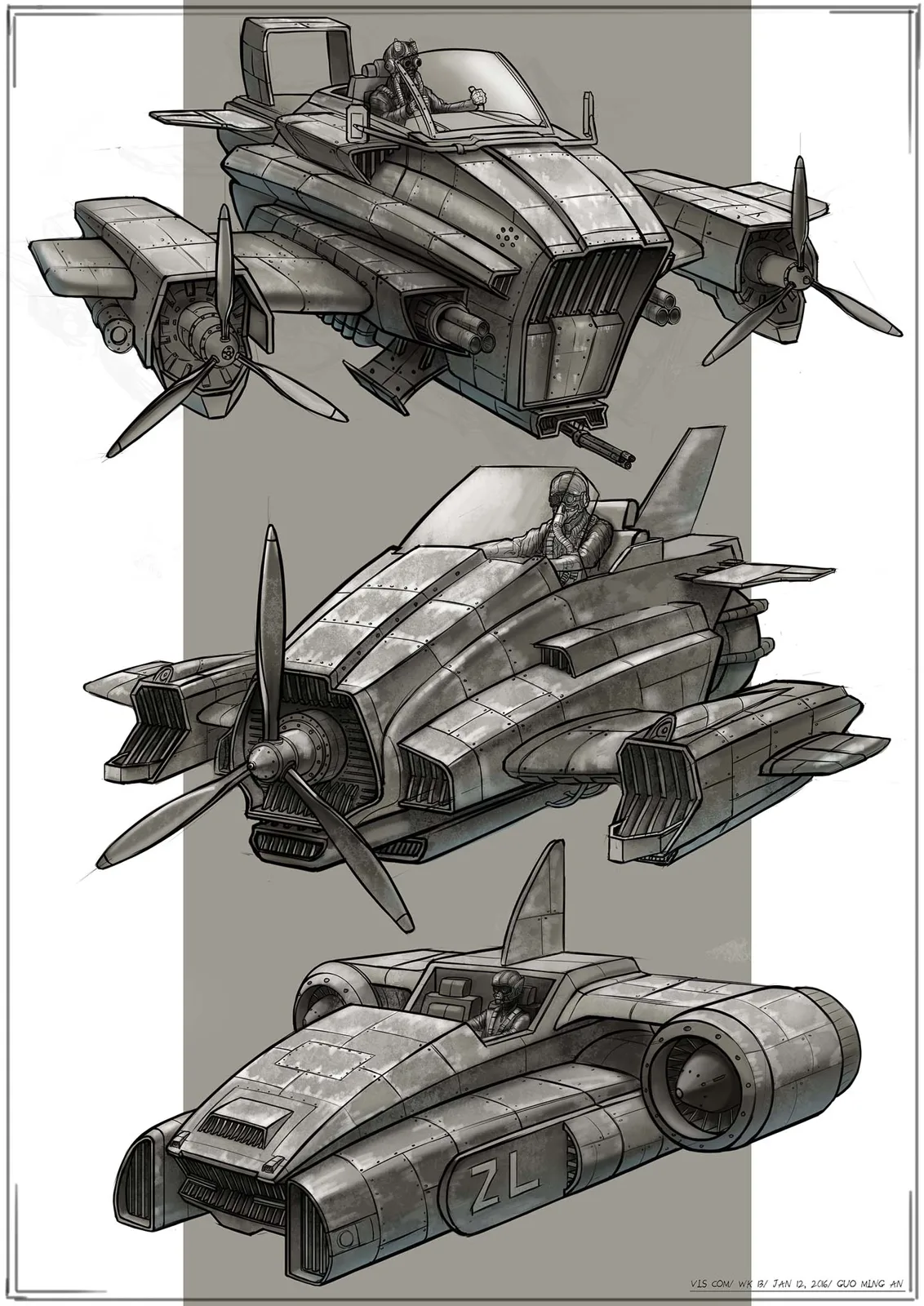 Concept ArtPortfolio Development
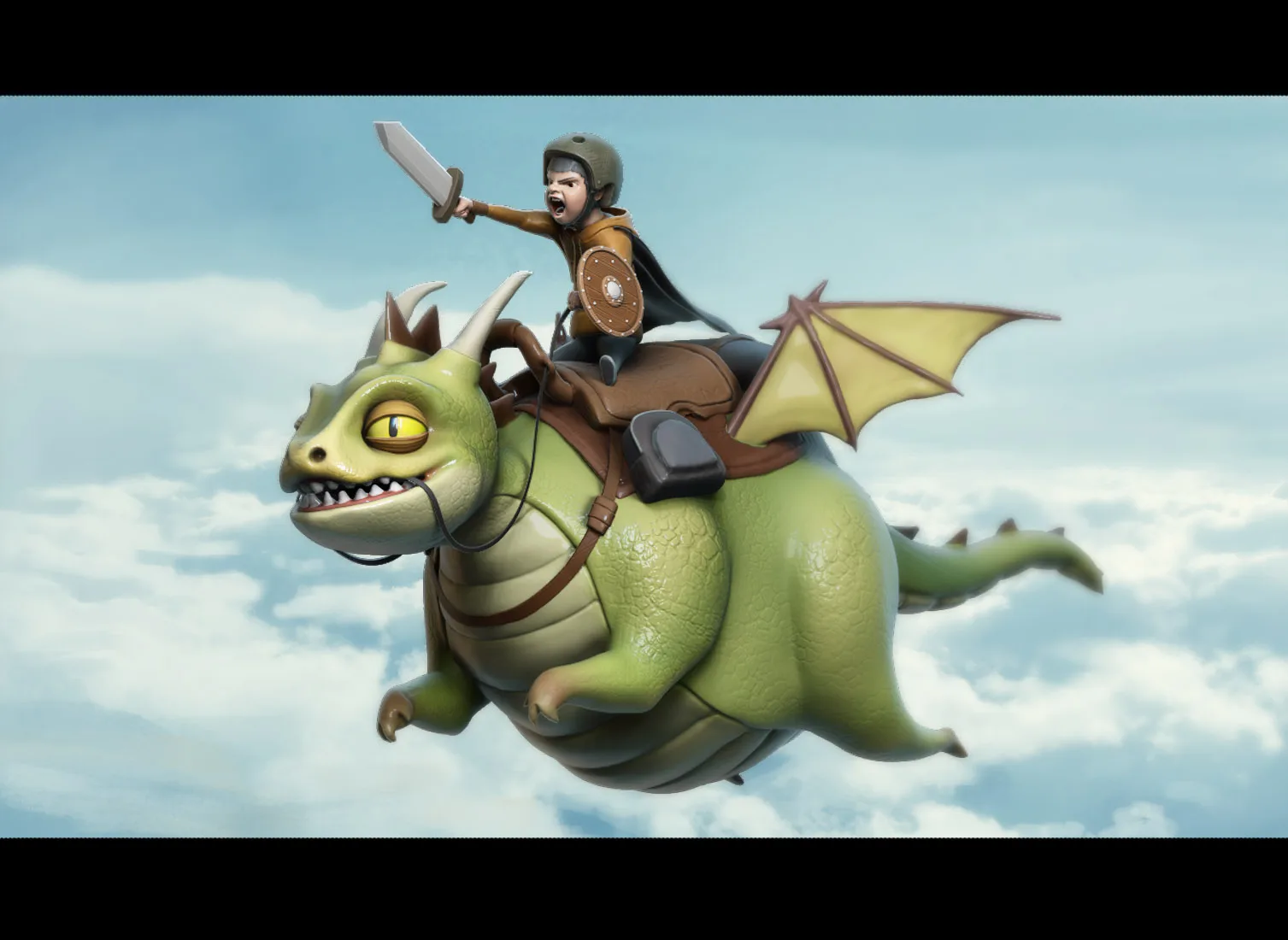 Concept ArtPortfolio Development
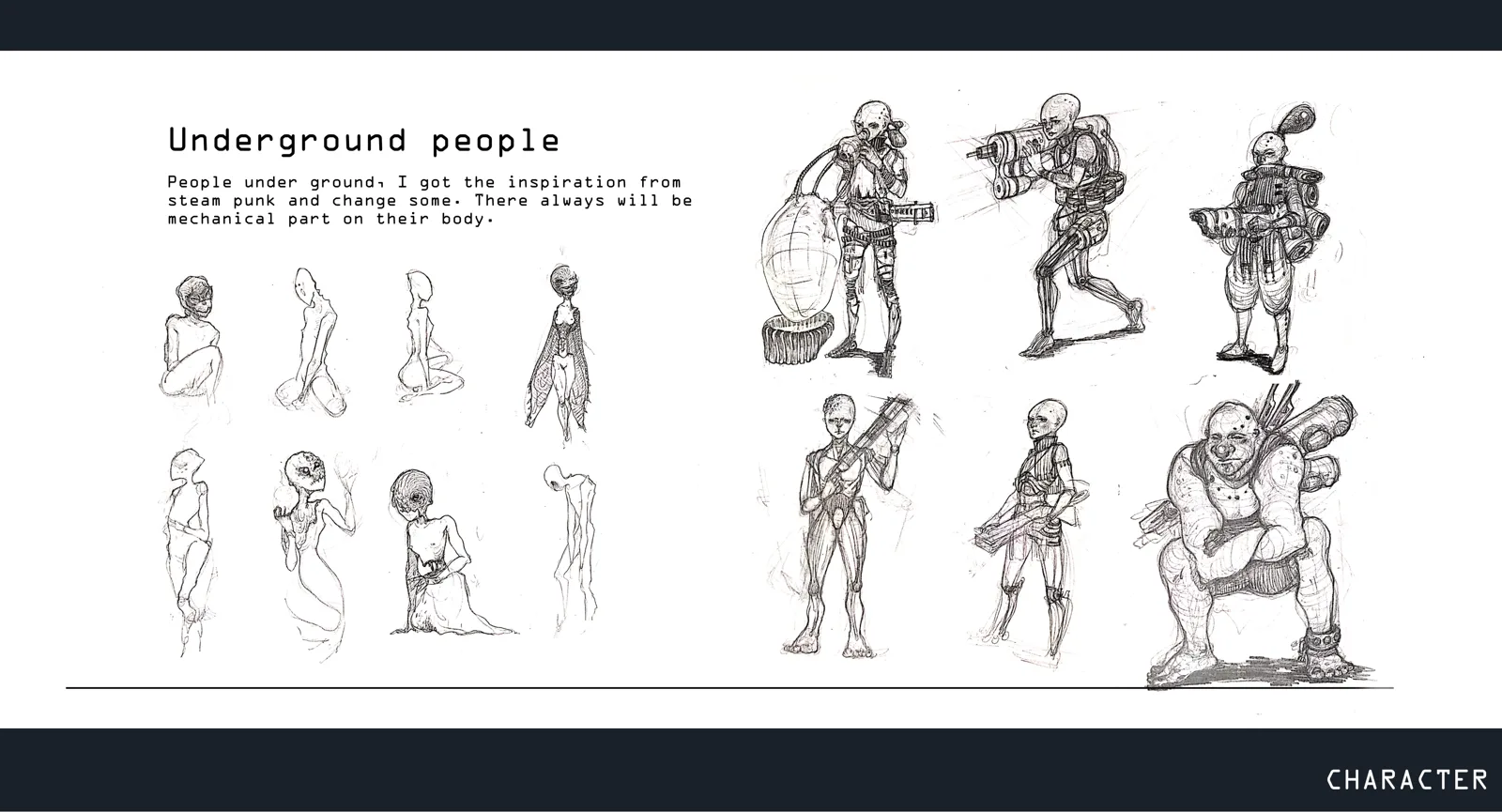 Concept ArtPortfolio Development
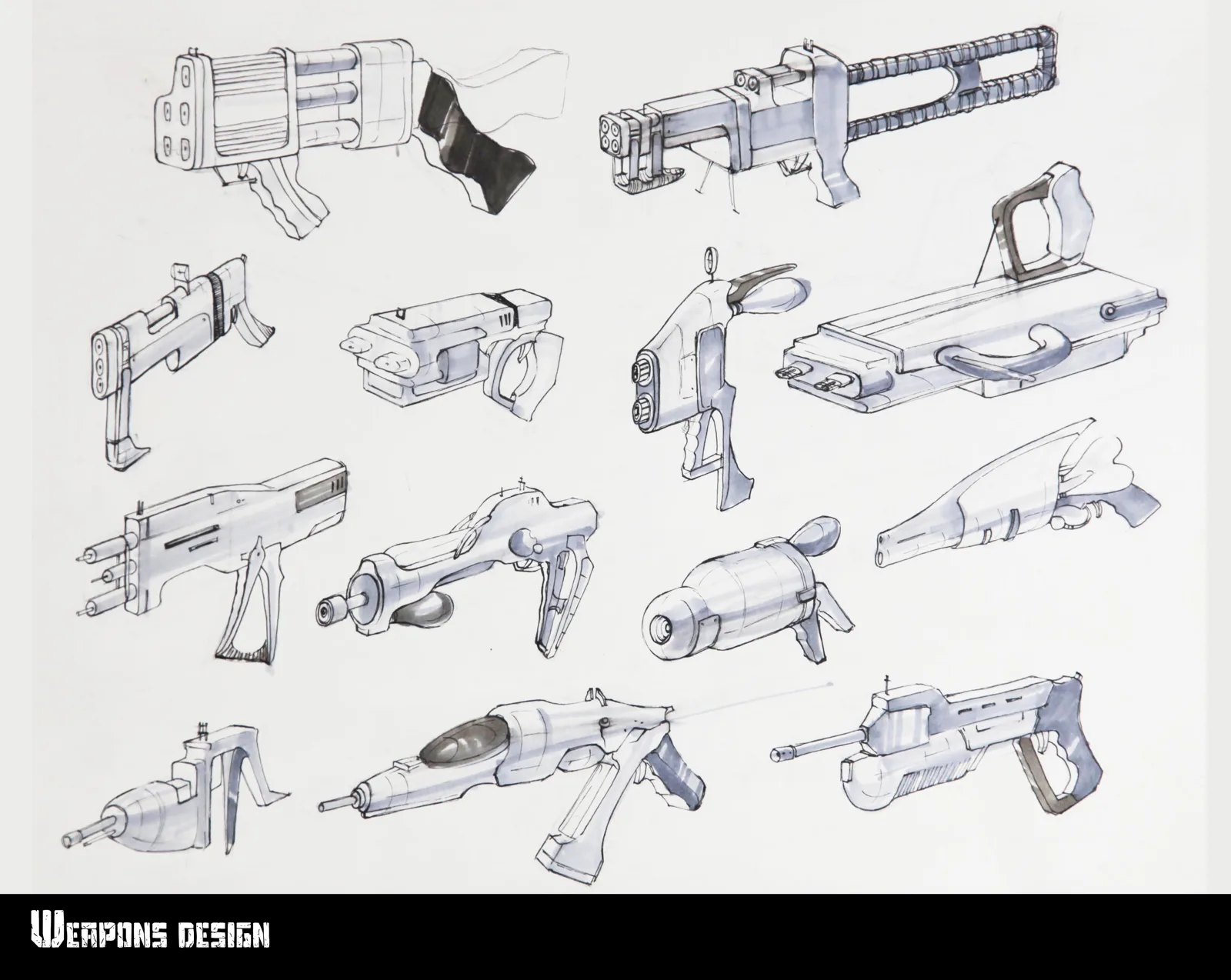 Concept ArtPortfolio Development
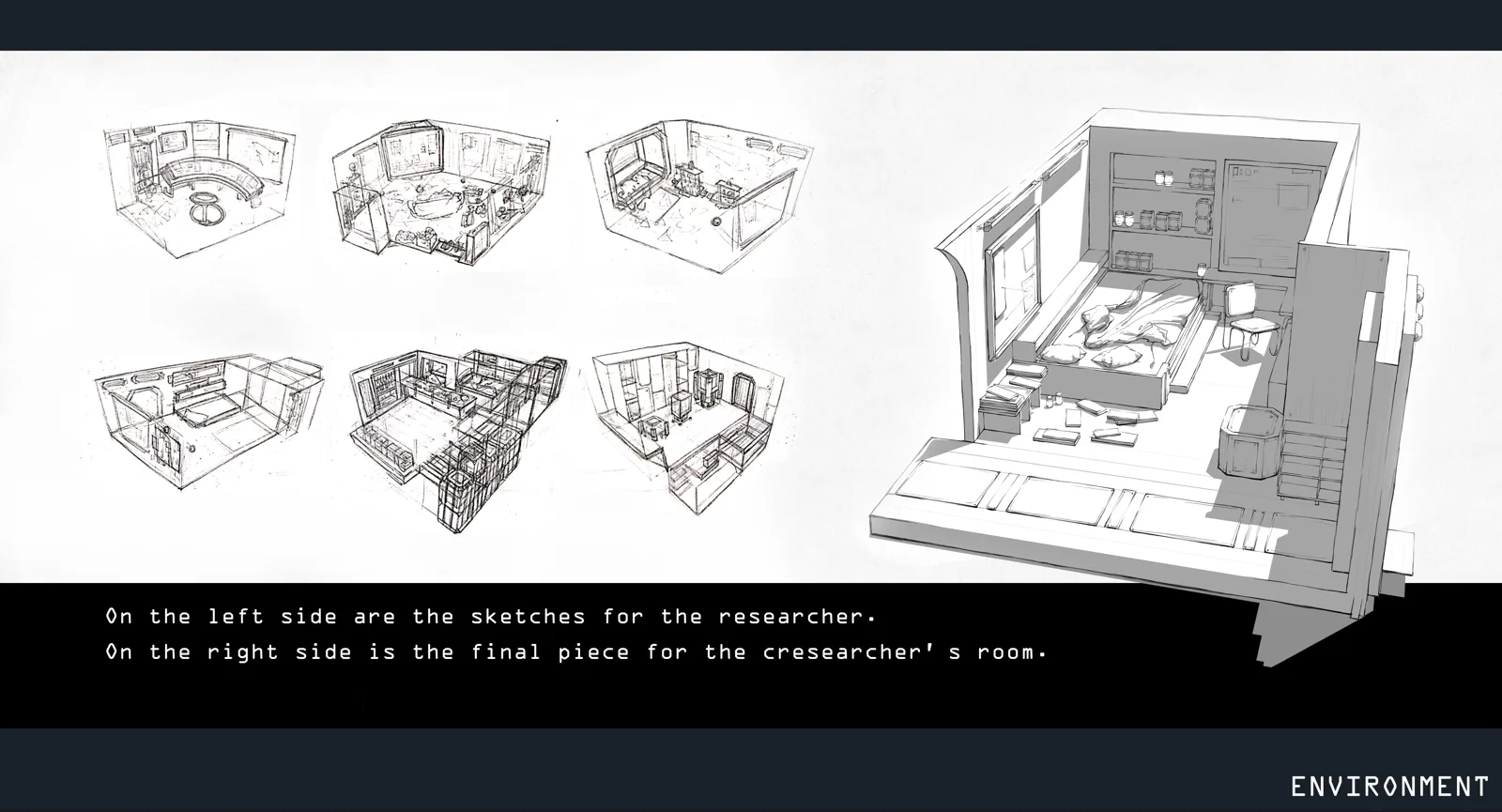 Concept ArtPortfolio Development
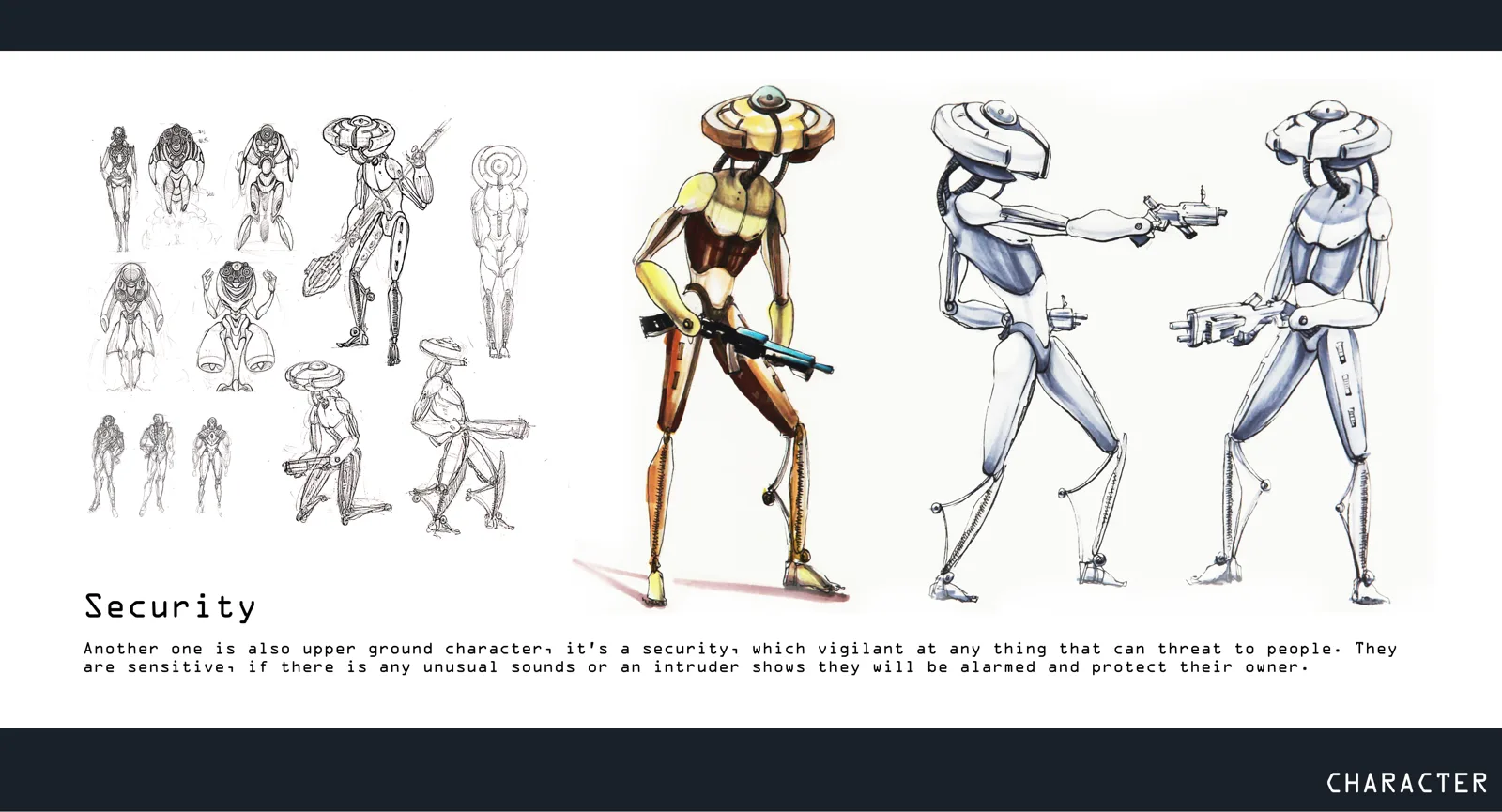 Concept ArtPortfolio Development
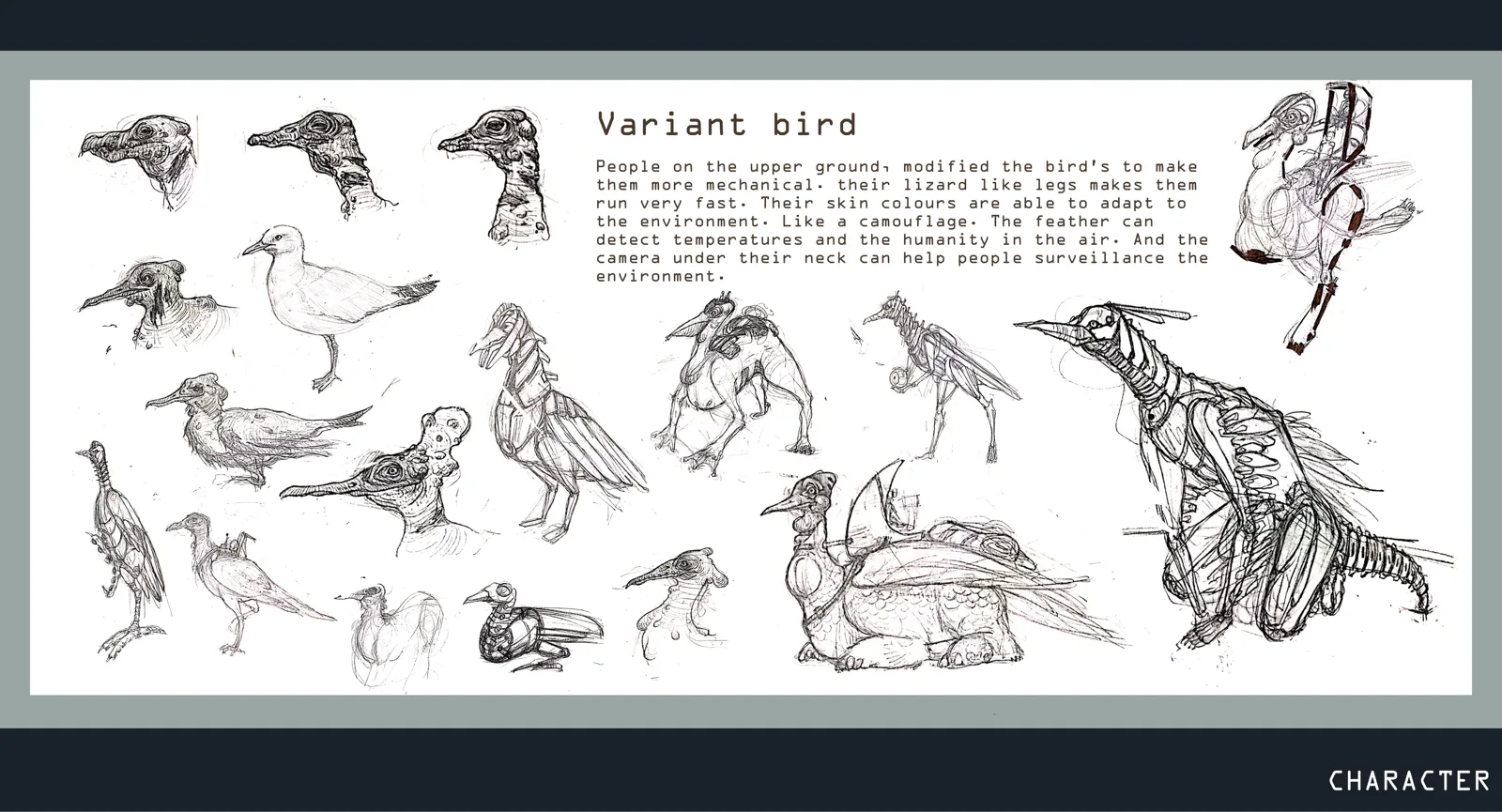 Concept ArtPortfolio Development
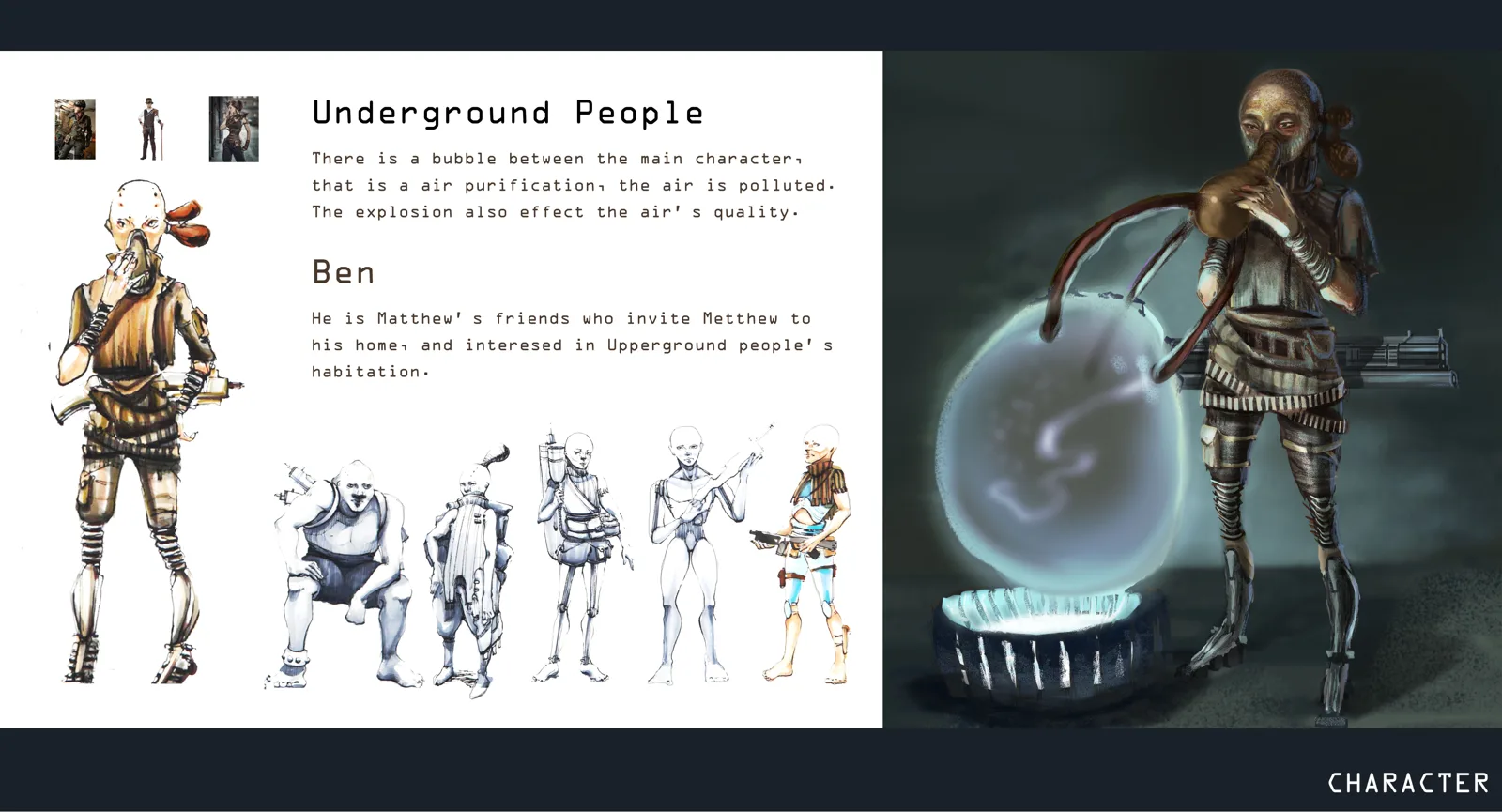 Concept ArtPortfolio Development
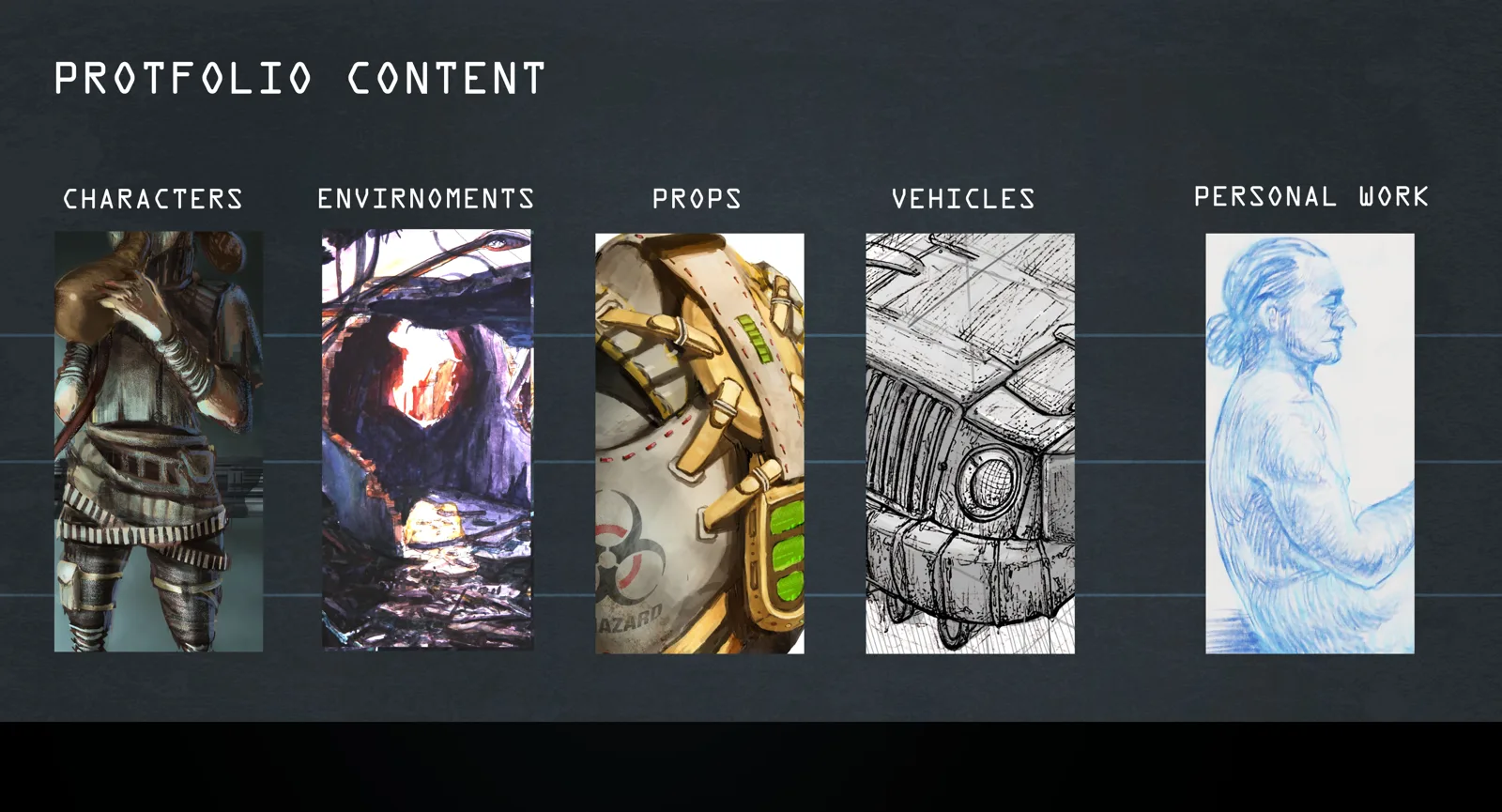 Concept ArtPortfolio Development
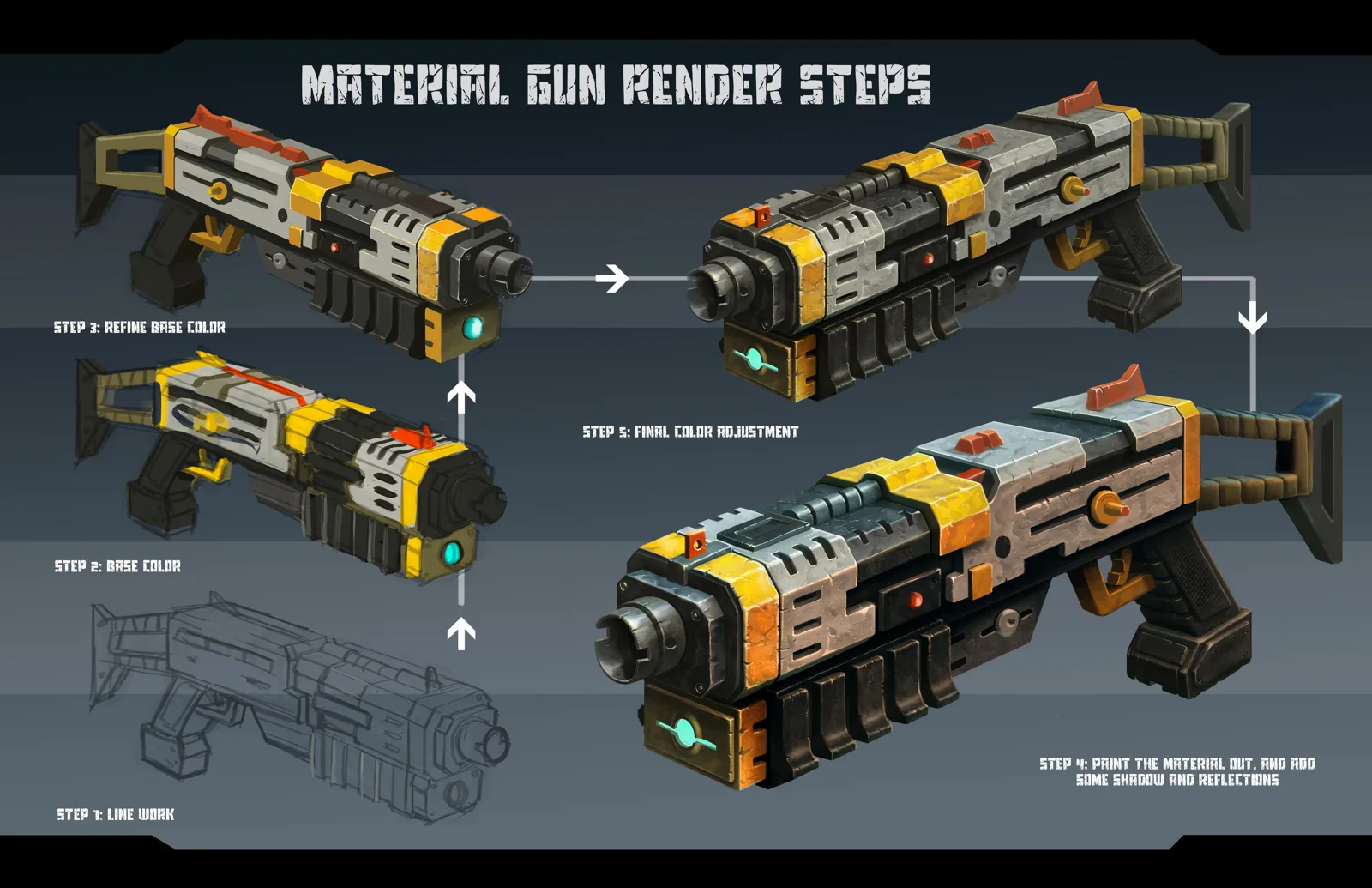 Concept ArtPortfolio Development
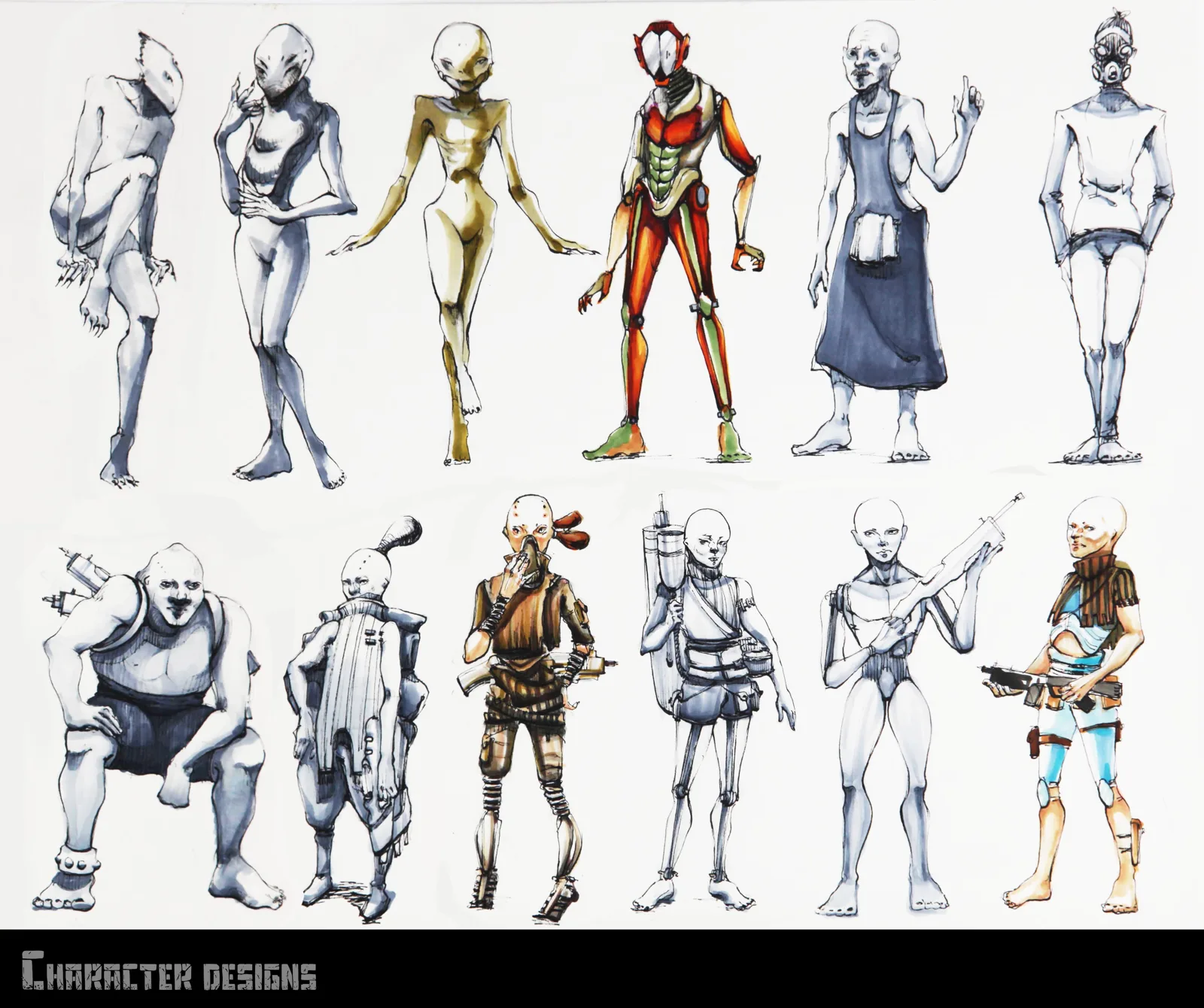 Concept ArtPortfolio Development
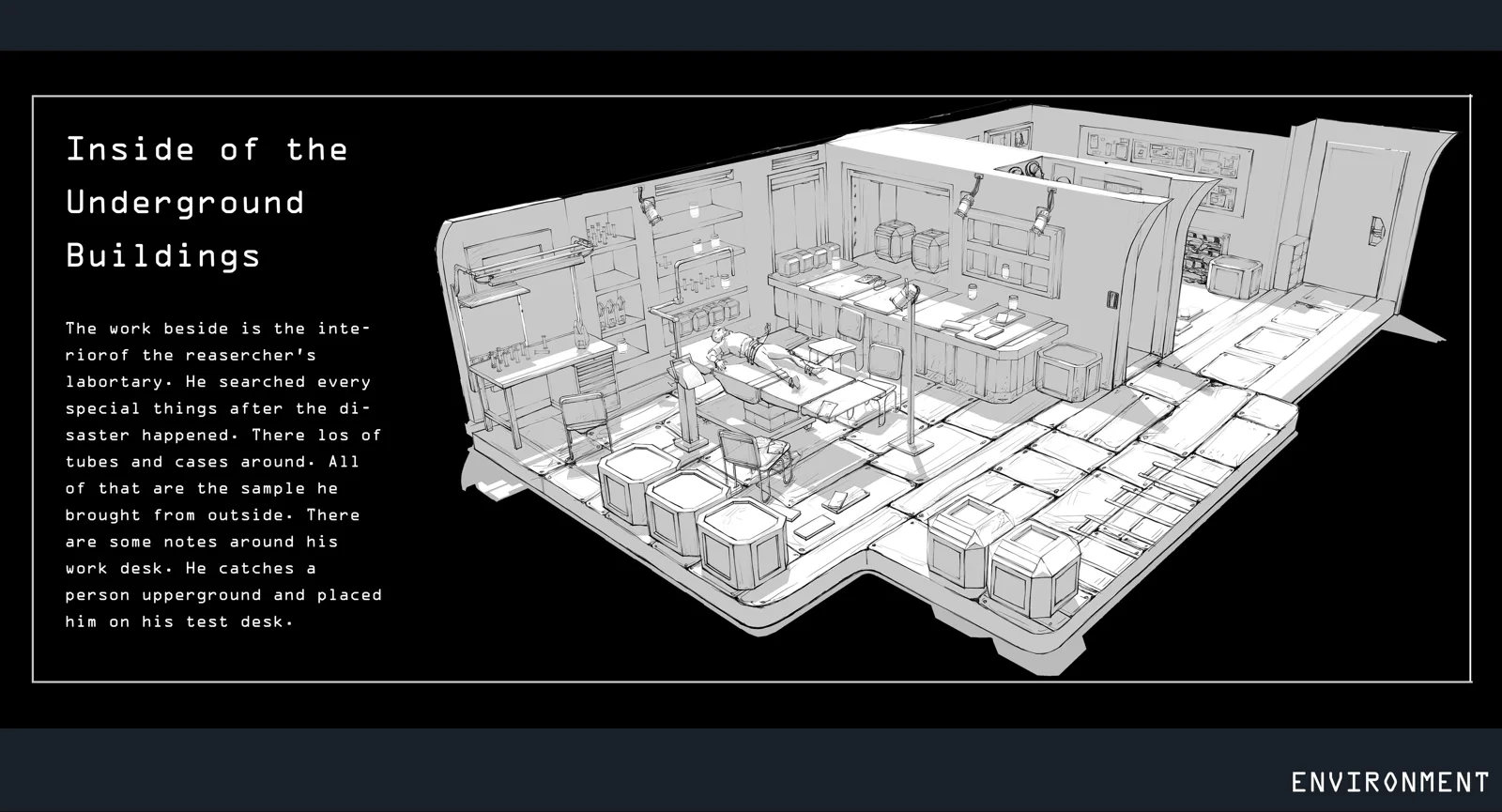 Concept ArtPortfolio Development
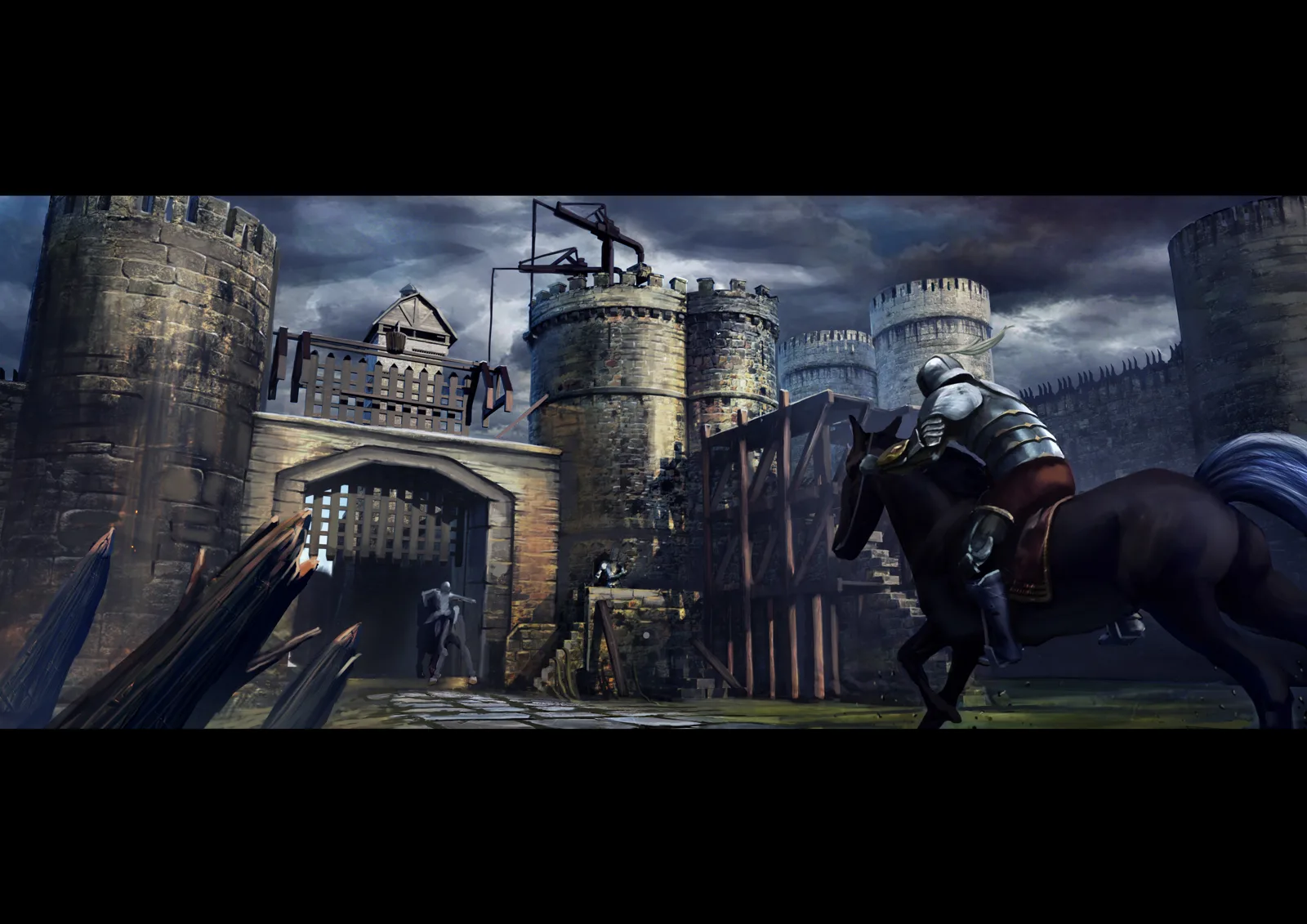 Concept ArtPortfolio Development
Students walk you through their work
Start with a portfolio assessment
Portfolio and AP tracks are by enquiry only. We look at your goals and current work first, then plan the course and hours around you.
Common questions
What should be in a concept art portfolio for art school?
Most programs look for strong life drawing, original character and environment designs, and evidence of process like thumbnails and iterations. Always read each school's current requirements, since formats and piece counts change.
Do I need to be good at digital painting before applying?
Not necessarily. Schools mainly want solid fundamentals and original thinking, and they will teach you the software. Some digital work helps, but drawing skill and ideas matter more.