

Animation
Character, motion and storytelling for film and games.
What this major can become
Real roles our students grow into, the industries that hire them — and why this path is a good bet.
Jobs you can do
- 2D / 3D Animator
- Character Designer
- Story Artist
- Rigging & Layout Artist
- Motion Designer
Industries that hire
Film & TV animation, game studios, streaming, advertising, VFX houses
Why it’s a good bet
- Storytelling skills transfer across film, games and advertising
- Studios hire on portfolio and reel — not just the degree
- Remote and freelance friendly once you have credits
Recommended schools
Programs our Animation students most often apply to — and get into.

How to build an Animation portfolio that gets in
Animation programs want to see that you can capture movement, character and story. Strong figure drawing and a sense of timing matter more than polished software skills.
- 01
Fill sketchbooks with gesture drawing
Quick gestures of people and animals in motion show you can see weight, rhythm and action. Many animation programs value lively sketchbook pages highly.
- 02
Show characters with personality
Draw the same character in different poses and expressions. Reviewers want to see that your characters can act and feel alive.
- 03
Tell a story in a sequence
A short storyboard or comic shows you understand staging, camera and pacing. It proves you can think beyond a single image.
- 04
Include a short animation if you can
A simple test like a bouncing ball, a walk or a short clip shows timing and patience. Check each school's current rules on video length and format.
- 05
Draw from life, not only from screens
Copying cartoons teaches someone else's choices. Observing real people, places and animals gives your work its own voice.
- 06
Keep your best and cut the rest
Lead with strong, original work and remove anything you would need to explain away. A focused portfolio is easier to remember.
Common mistakes to avoid
- Copying existing cartoon or anime characters
- Stiff poses with no sense of weight or motion
- Leaving out sketchbooks and only showing finished art
Want to know where your portfolio stands?
Bring your current work to a free review — a mentor will tell you the most useful next step.
What you'll learn
A staged path — fundamentals first, then specialization, then the portfolio itself.
Foundation training
The non-negotiable base every admissions committee looks for.
- Observational drawing from life — the single most weighted skill
- Gesture and figure drawing; anatomy and construction
- Perspective and spatial construction
- Value, light and shadow
- Colour theory and mixing
- Composition, staging and visual hierarchy
- A daily sketchbook and visual research habit
Animation specialization
Applying the fundamentals to motion and character.
- Character design, model sheets and expression sheets
- The 12 principles: timing, spacing, squash & stretch
- Storyboarding and building an animatic
- Walk cycles and acting for animation
- Backgrounds, layout and colour script
- Short-film or sequence project
Portfolio & application
Turning strong work into an admitted portfolio.
- Curating 12–20 pieces that show range and depth
- Sketchbook and process documentation (often required)
- School-specific requirements — CalArts, Sheridan, Gobelins, SVA differ
- Artist statement and written supplements
- Photographing, scanning and SlideRoom presentation
- Mock interviews and portfolio reviews
Why students choose NPC
Portfolio prep is crowded. What is rare is a twenty-year record of actual offers, and mentors who have done the job.
20+ years and 3000+ graduates
Offers from Harvard, Cornell, RISD, Carnegie Mellon, Parsons, ArtCenter and USC — 900+ university offers and $60M+ in scholarships since 2007 — every year since 2012 published school by school.
Mentors from the industry
Art directors and artists whose work spans Disney and Nickelodeon films, LEGO films, Tencent and AAA games — people who know what a portfolio has to survive.
Fundamentals first, always
Admissions committees reject weak drawing before they ever reach your concept. We build observation, perspective, value and colour before specializing.
Built to each school’s requirements
CSM, Parsons, RISD and Sheridan all ask for different things. We build to the schools you are actually applying to — not a generic portfolio.
Animation — made by our students
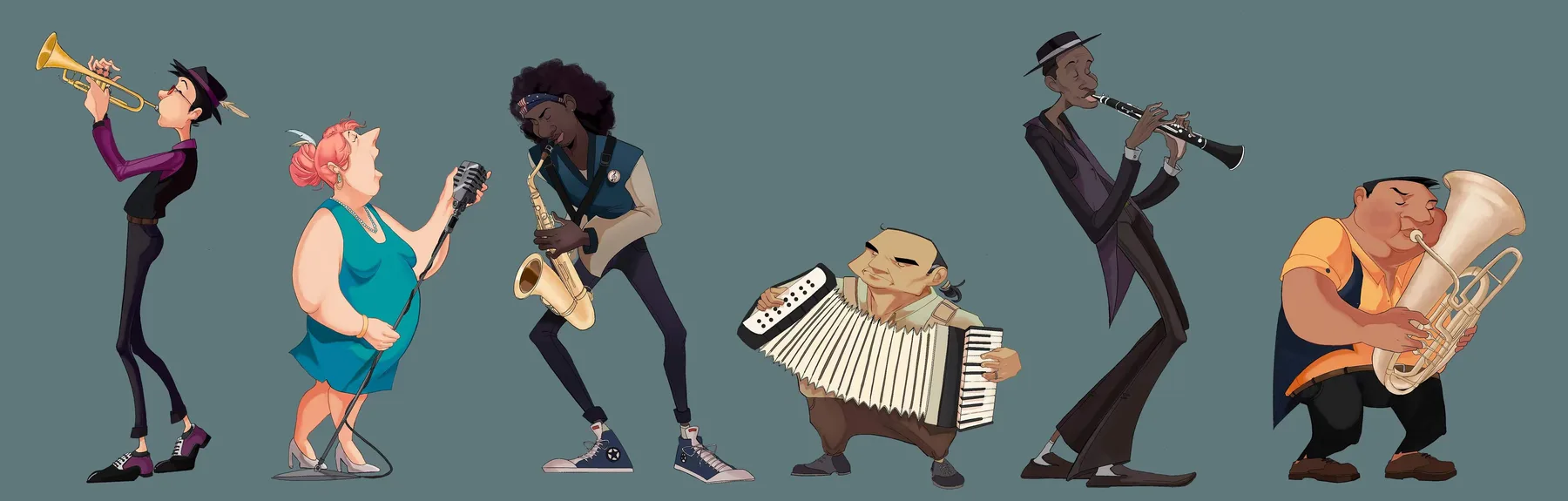 Character line-up — jazz bandPortfolio Development
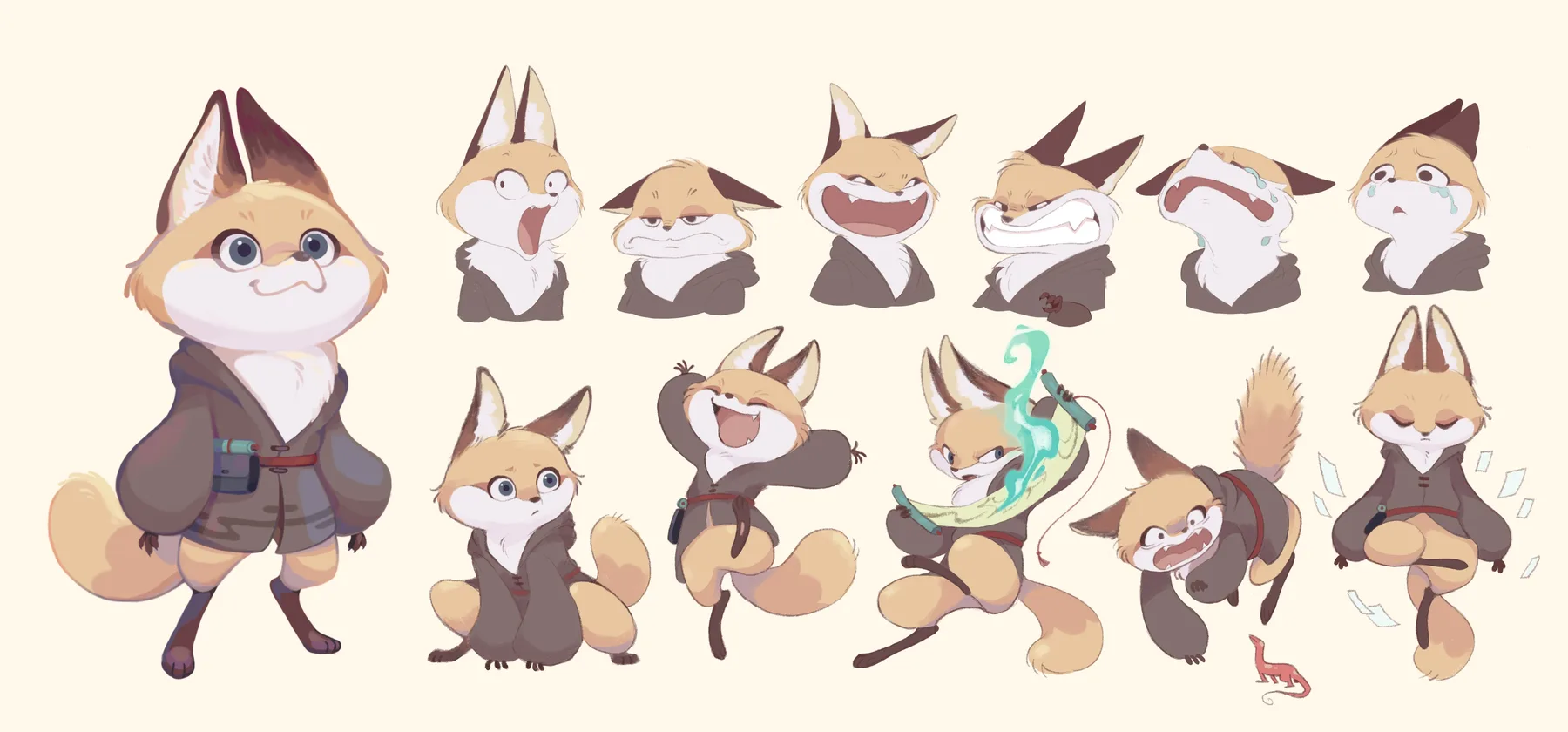 Animation — character model sheetPortfolio Development
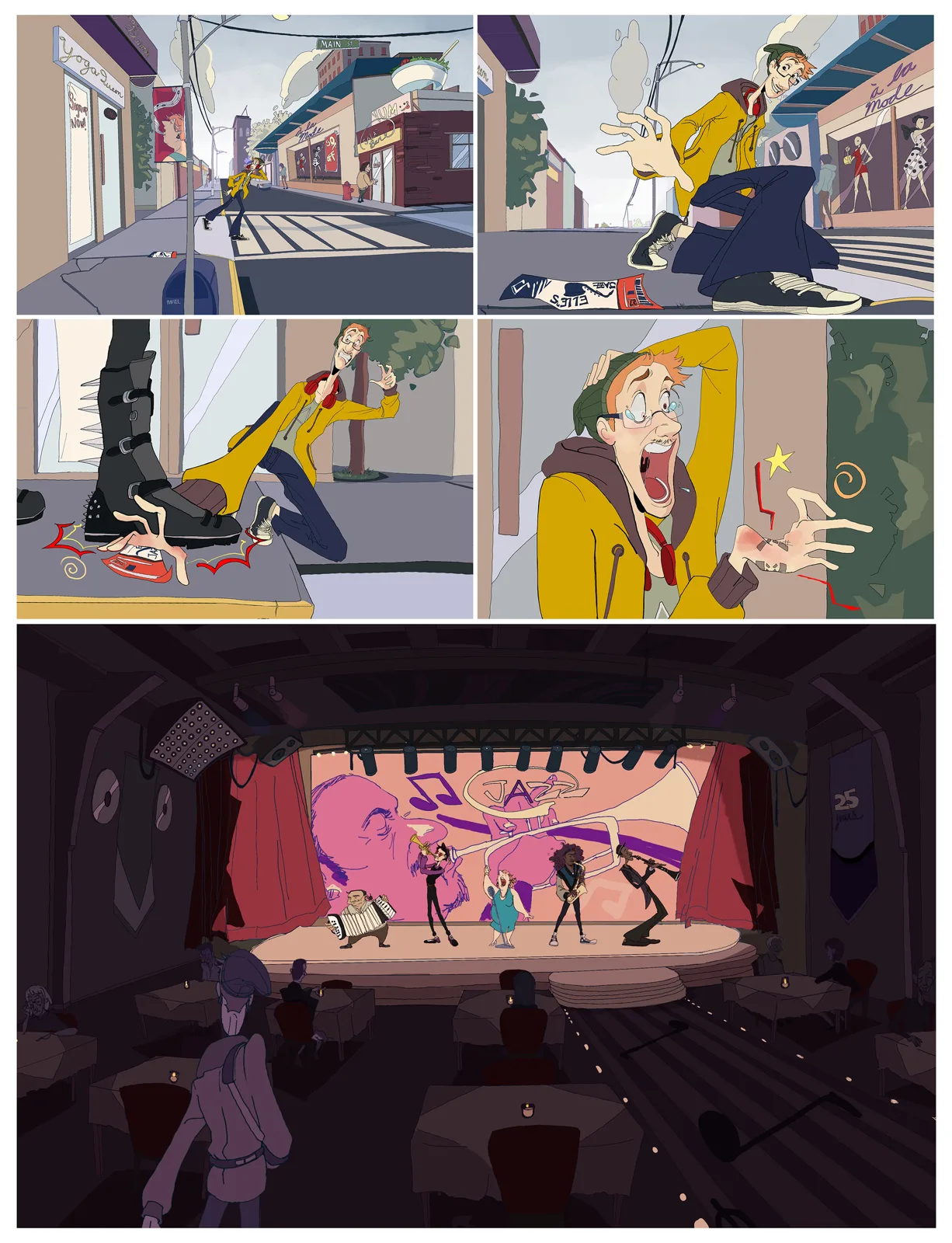 AnimationPortfolio Development
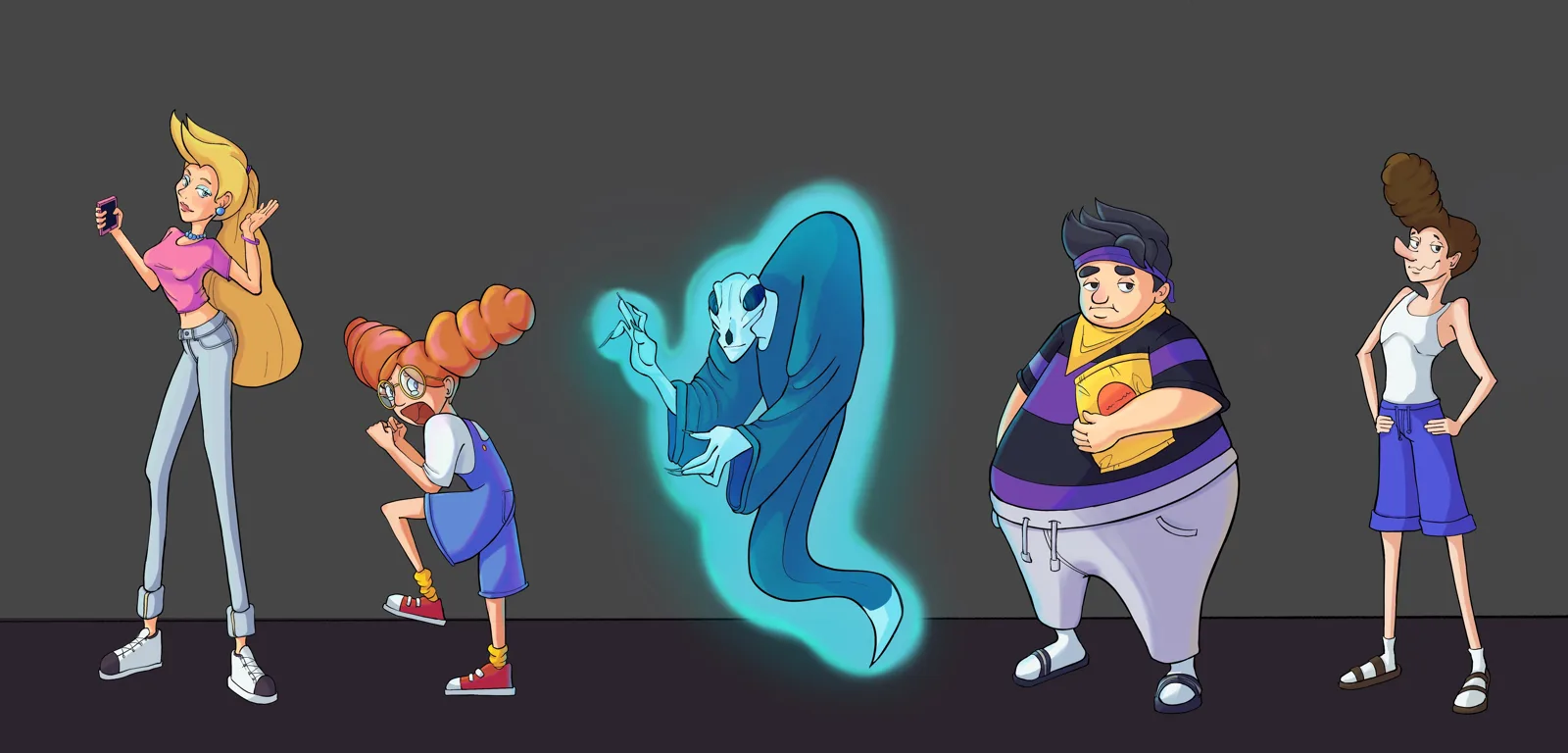 AnimationPortfolio Development
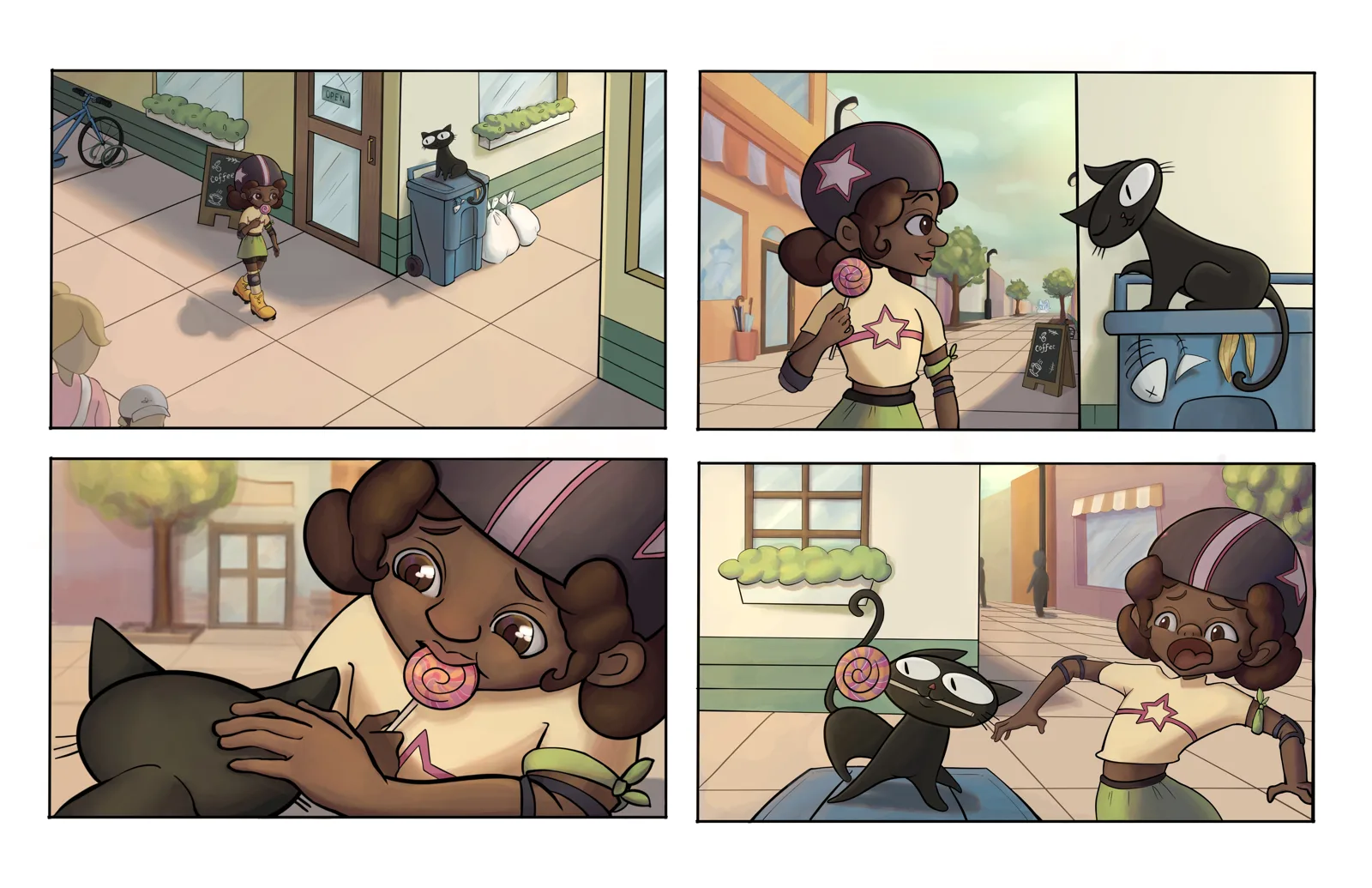 AnimationPortfolio Development
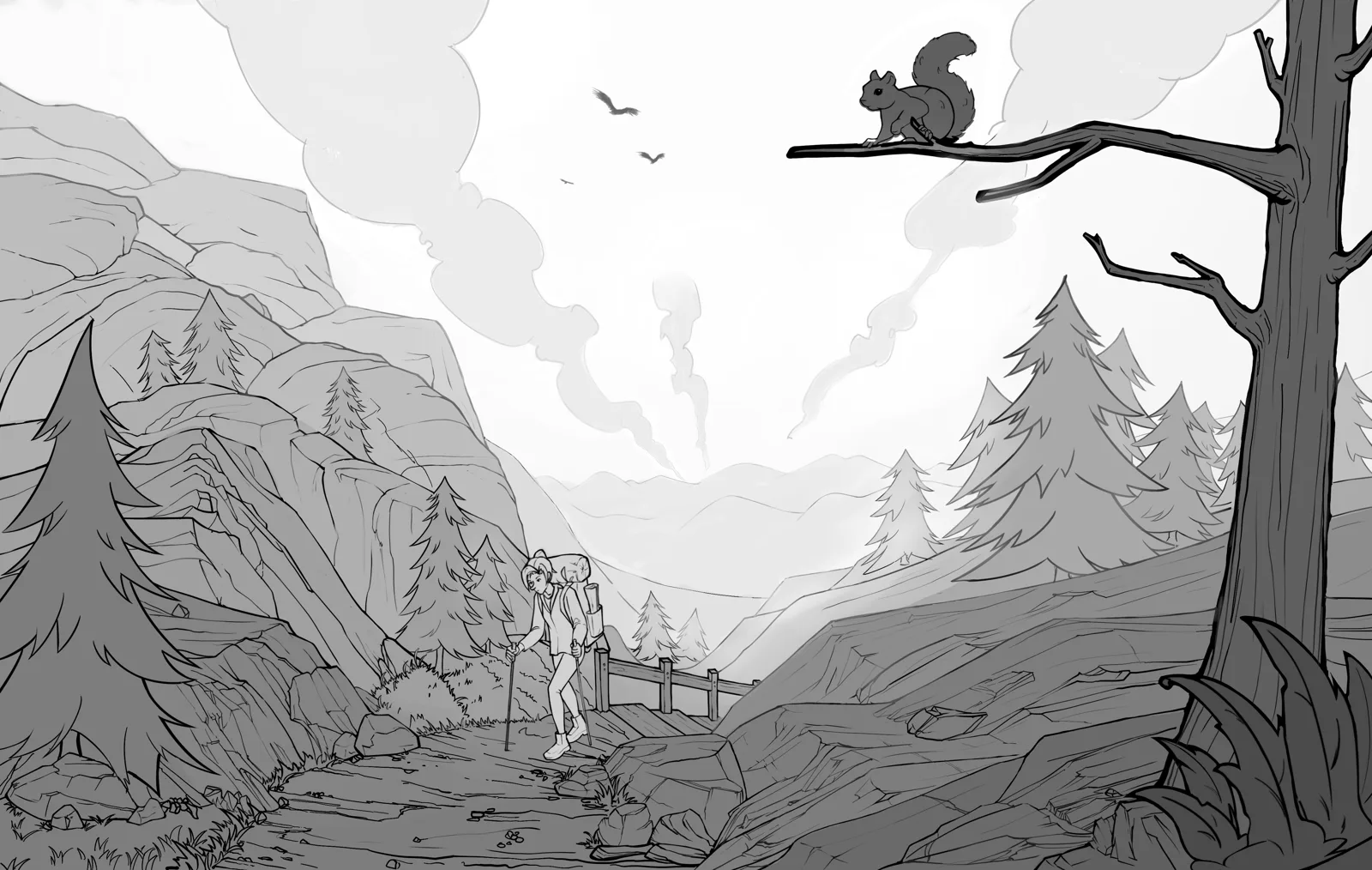 AnimationPortfolio Development
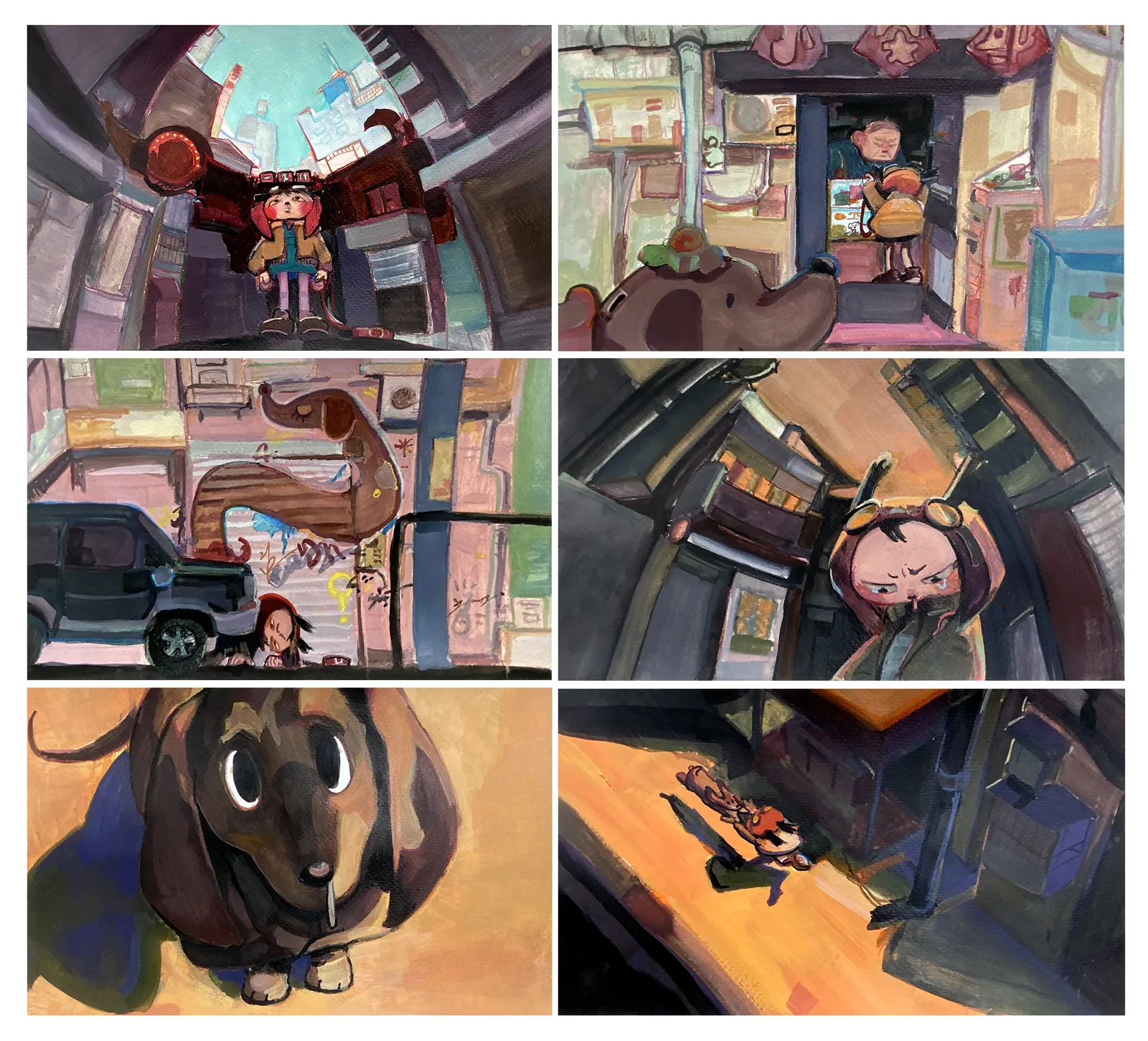 AnimationPortfolio Development
 AnimationPortfolio Development
Start with a portfolio assessment
Portfolio and AP tracks are by enquiry only. We look at your goals and current work first, then plan the course and hours around you.
Common questions
What should an animation portfolio include?
Most programs look for figure and gesture drawing, character designs, and some form of storytelling such as storyboards. Some also accept short animation tests. Requirements differ, so read each school's current guidelines carefully.
Do I need to know animation software before applying?
No. Schools mainly look for drawing skill, observation and storytelling, and they teach the software. A simple animation test can help, but it is rarely the deciding factor.