

Fashion Design
Illustration, construction and collection development.
What this major can become
Real roles our students grow into, the industries that hire them — and why this path is a good bet.
Jobs you can do
- Fashion Designer
- Textile / Print Designer
- Stylist
- Technical Designer
- Fashion Buyer
Industries that hire
Fashion houses, sportswear brands, costume for film & stage, e-commerce
Why it’s a good bet
- A global industry — study and work in Paris, Milan, New York or London
- Own-label entrepreneurship is a real path
- Blends hand craft with digital design — hard to automate
Recommended schools
Programs our Fashion Design students most often apply to — and get into.




How to build a Fashion Design portfolio that gets in
Fashion programs want to see how you think, not just what you can sew. A strong portfolio shows drawing skill, curiosity about materials, and a clear point of view.
- 01
Draw the figure from life
Admissions readers look for real observational drawing. Sketch people in motion, folds of fabric and how garments hang on a body. Live drawing builds the proportion sense that fashion illustration depends on.
- 02
Show your research and sketchbook
Many programs ask to see process. Include mood boards, fabric swatches, historical references and quick idea sketches. A messy, honest sketchbook often says more than a polished final page.
- 03
Build a small, focused collection
Develop one theme into a cohesive mini-collection with a consistent silhouette, palette and story. This shows you can edit and think like a designer, not just draw single outfits.
- 04
Make something with your hands
Photograph garments, draping experiments or textile tests you made yourself. Construction skill is not always required, but evidence of working with real materials shows commitment and curiosity.
- 05
Include art beyond fashion
Painting, photography, sculpture and graphic work show range. Schools want a well-rounded artist, so a portfolio of only fashion figures can feel narrow.
- 06
Photograph your work properly
Use even daylight, a plain background and sharp focus. Shoot garments on a model or dress form. Poor photos make strong work look weak, so give documentation real time.
Common mistakes to avoid
- Copying runway looks or famous designers
- Filling pages with stiff, identical croquis
- Hiding all your process and research
Want to know where your portfolio stands?
Bring your current work to a free review — a mentor will tell you the most useful next step.
What you'll learn
A staged path — fundamentals first, then specialization, then the portfolio itself.
Foundation training
Fashion schools reject weak drawing before they ever see a garment.
- Observational drawing and still life
- Figure drawing, proportion and the croquis
- Value, light and rendering fabric
- Colour theory and palette building
- Composition and page layout
- Material and texture studies
- Sketchbook and visual research habit
Fashion specialization
From research to a garment that exists.
- Research, concept boards and story development
- Fashion illustration and rendering
- Textile manipulation and material experiments
- Draping and basic garment construction
- Technical flats and spec drawing
- Developing a cohesive 3–5 look collection
Portfolio & application
Meeting each school on its own terms.
- Curating range: drawing, making, research, final looks
- Process and sketchbook documentation
- School-specific briefs (CSM and Parsons ask very different things)
- Artist statement and personal narrative
- Photographing garments and portfolio layout
- Mock interviews and portfolio reviews
Why students choose NPC
Portfolio prep is crowded. What is rare is a twenty-year record of actual offers, and mentors who have done the job.
20+ years and 3000+ graduates
Offers from Harvard, Cornell, RISD, Carnegie Mellon, Parsons, ArtCenter and USC — 900+ university offers and $60M+ in scholarships since 2007 — every year since 2012 published school by school.
Mentors from the industry
Art directors and artists whose work spans Disney and Nickelodeon films, LEGO films, Tencent and AAA games — people who know what a portfolio has to survive.
Fundamentals first, always
Admissions committees reject weak drawing before they ever reach your concept. We build observation, perspective, value and colour before specializing.
Built to each school’s requirements
CSM, Parsons, RISD and Sheridan all ask for different things. We build to the schools you are actually applying to — not a generic portfolio.
Fashion Design — made by our students
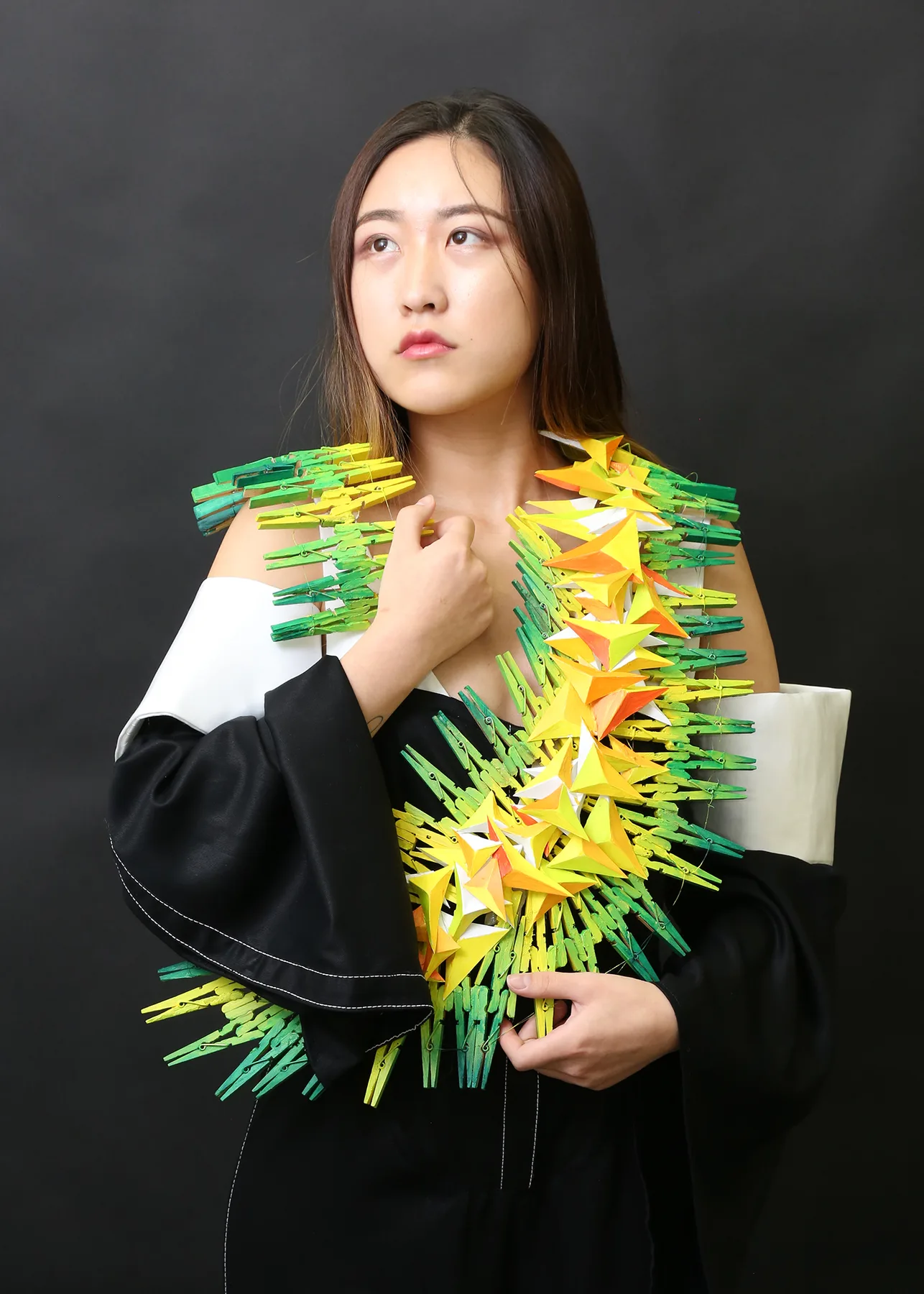 Fashion DesignPortfolio Development
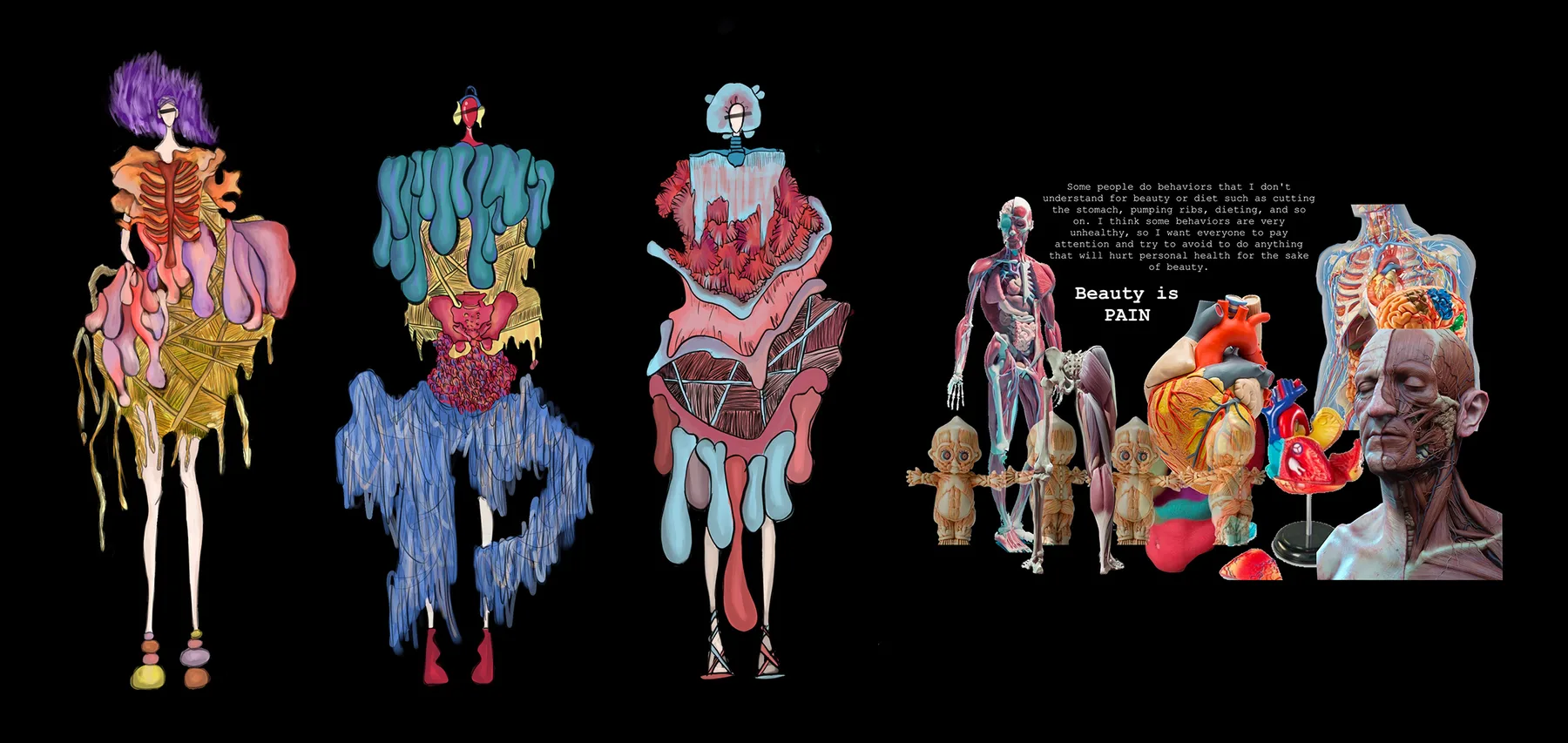 Fashion — collection line-upPortfolio Development
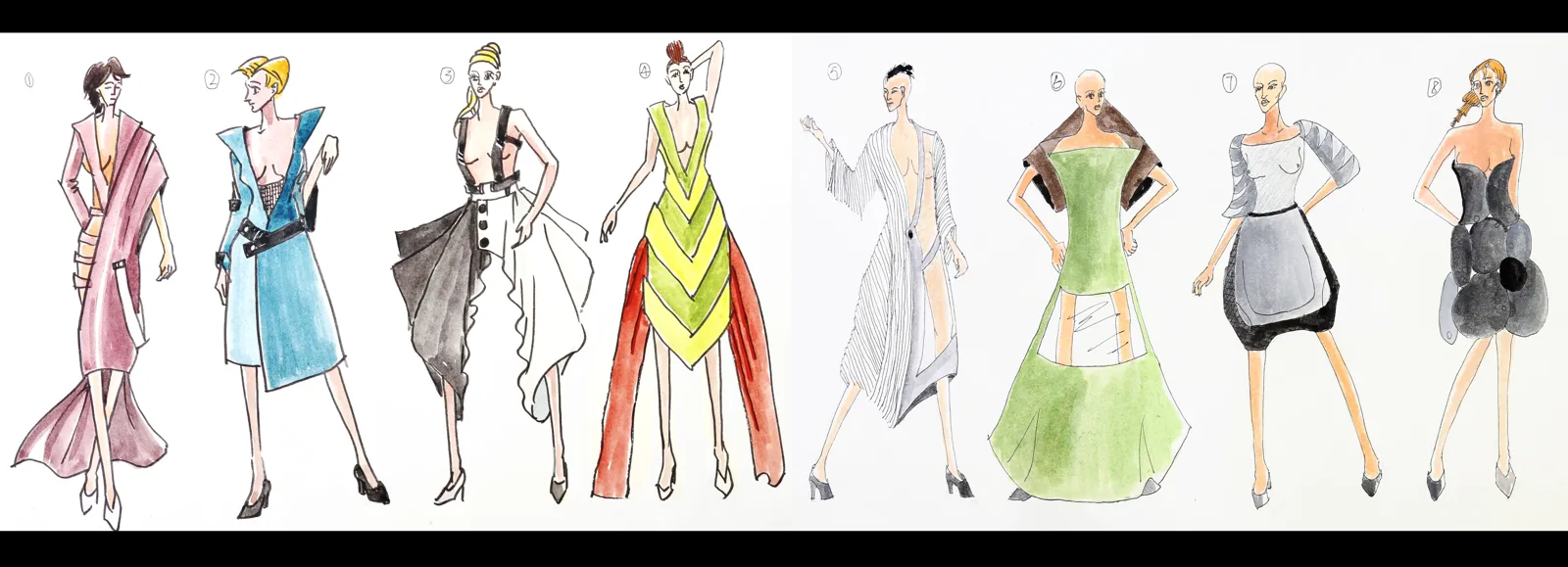 Fashion DesignPortfolio Development
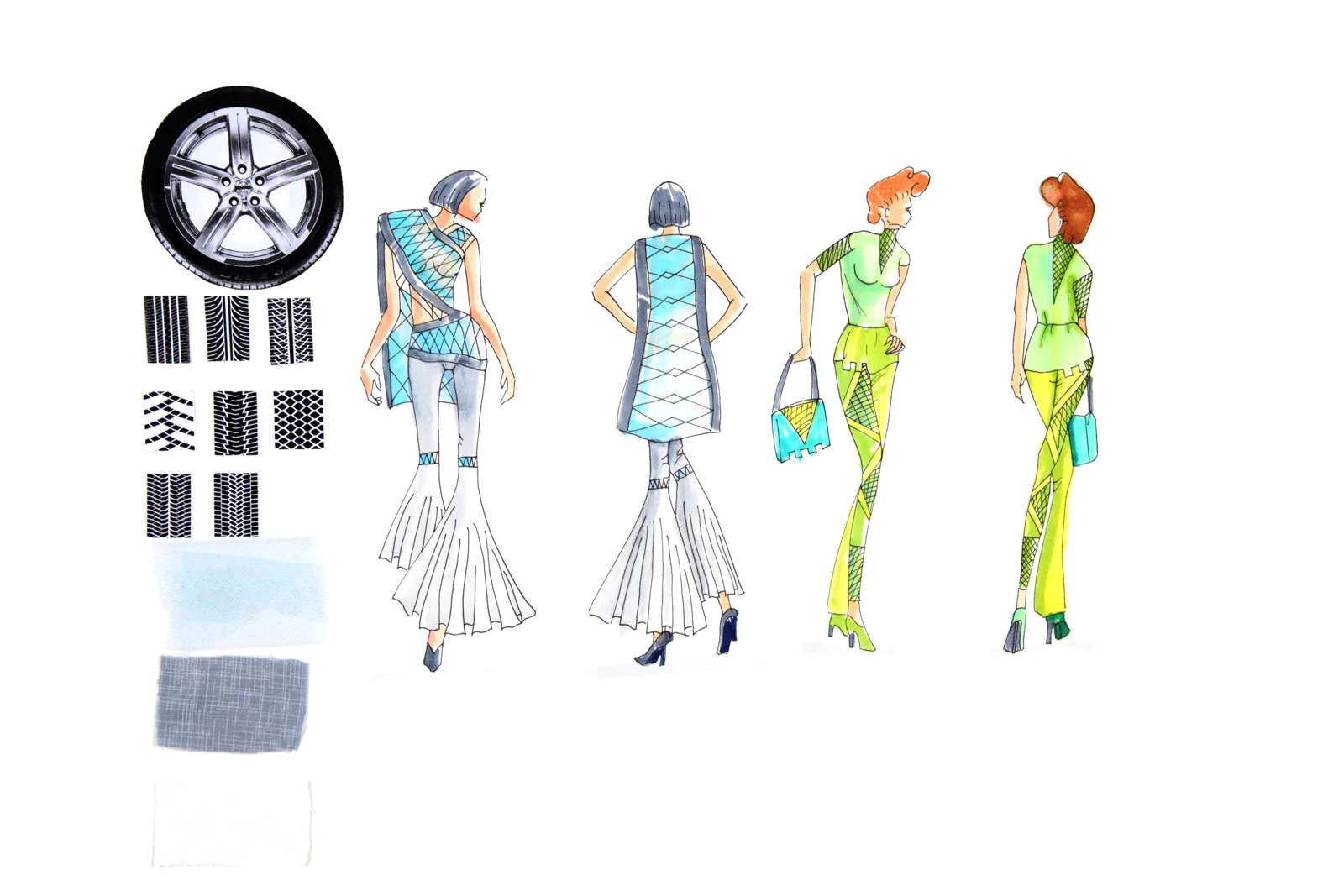 Fashion DesignPortfolio Development
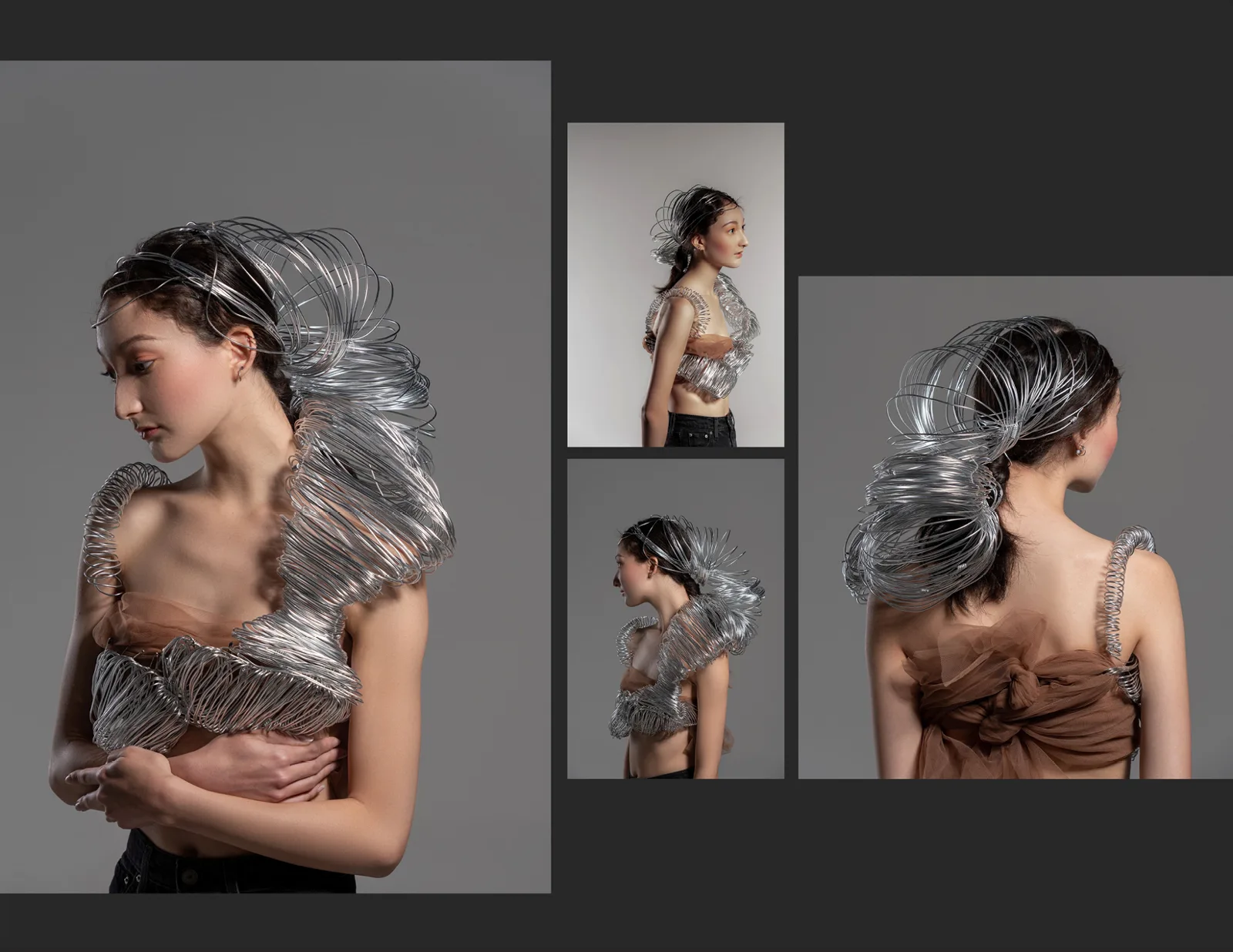 Fashion DesignPortfolio Development
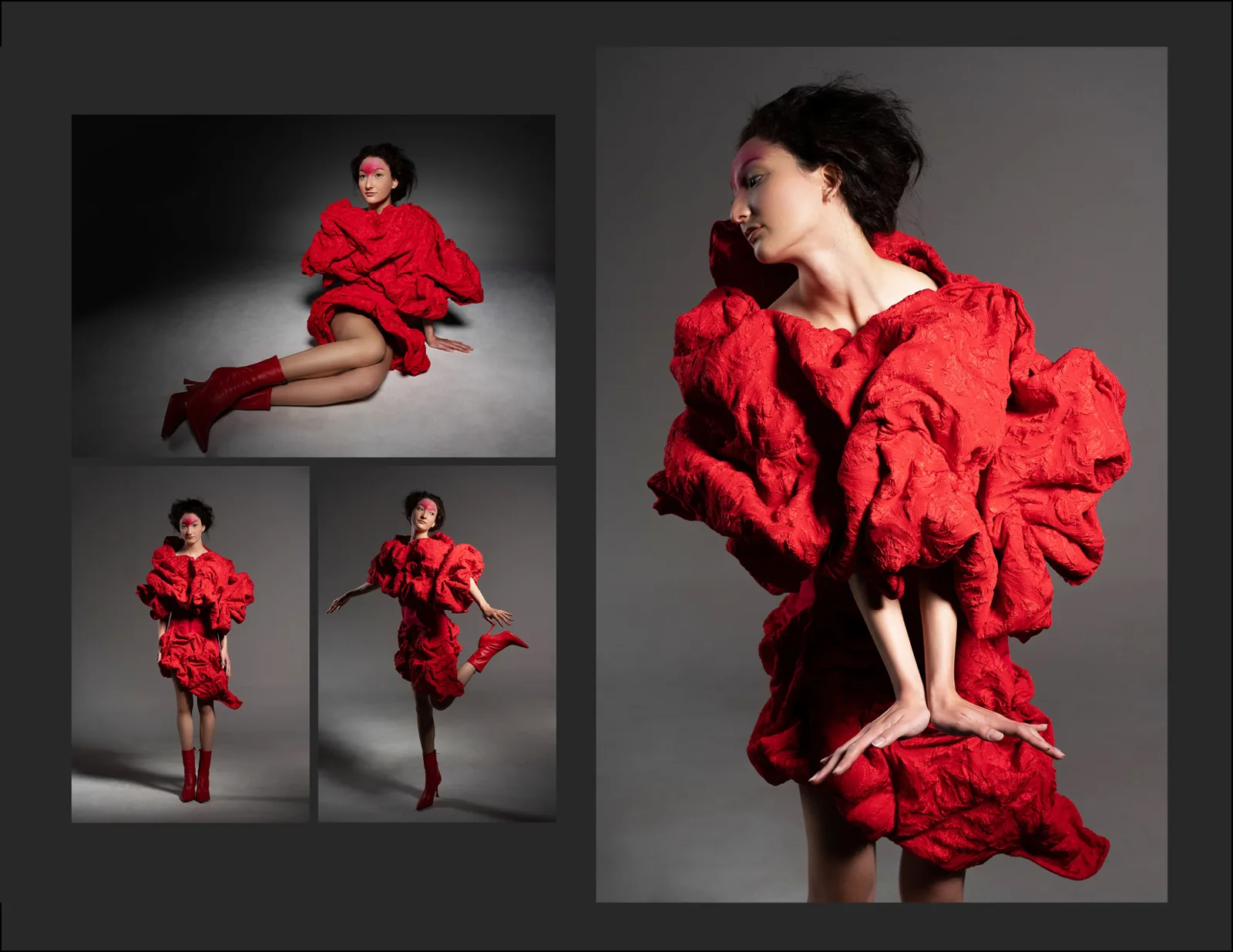 Fashion DesignPortfolio Development
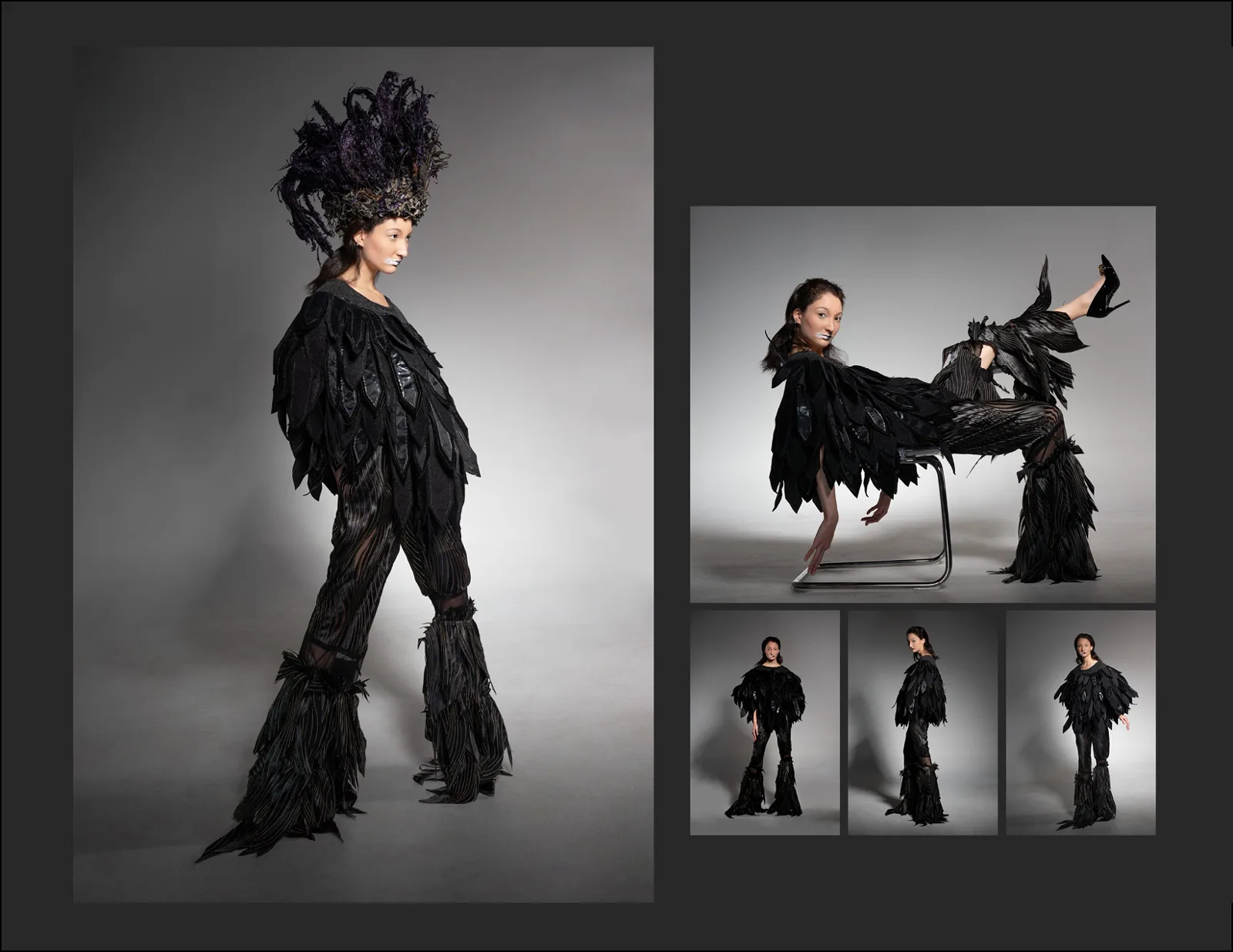 Fashion DesignPortfolio Development
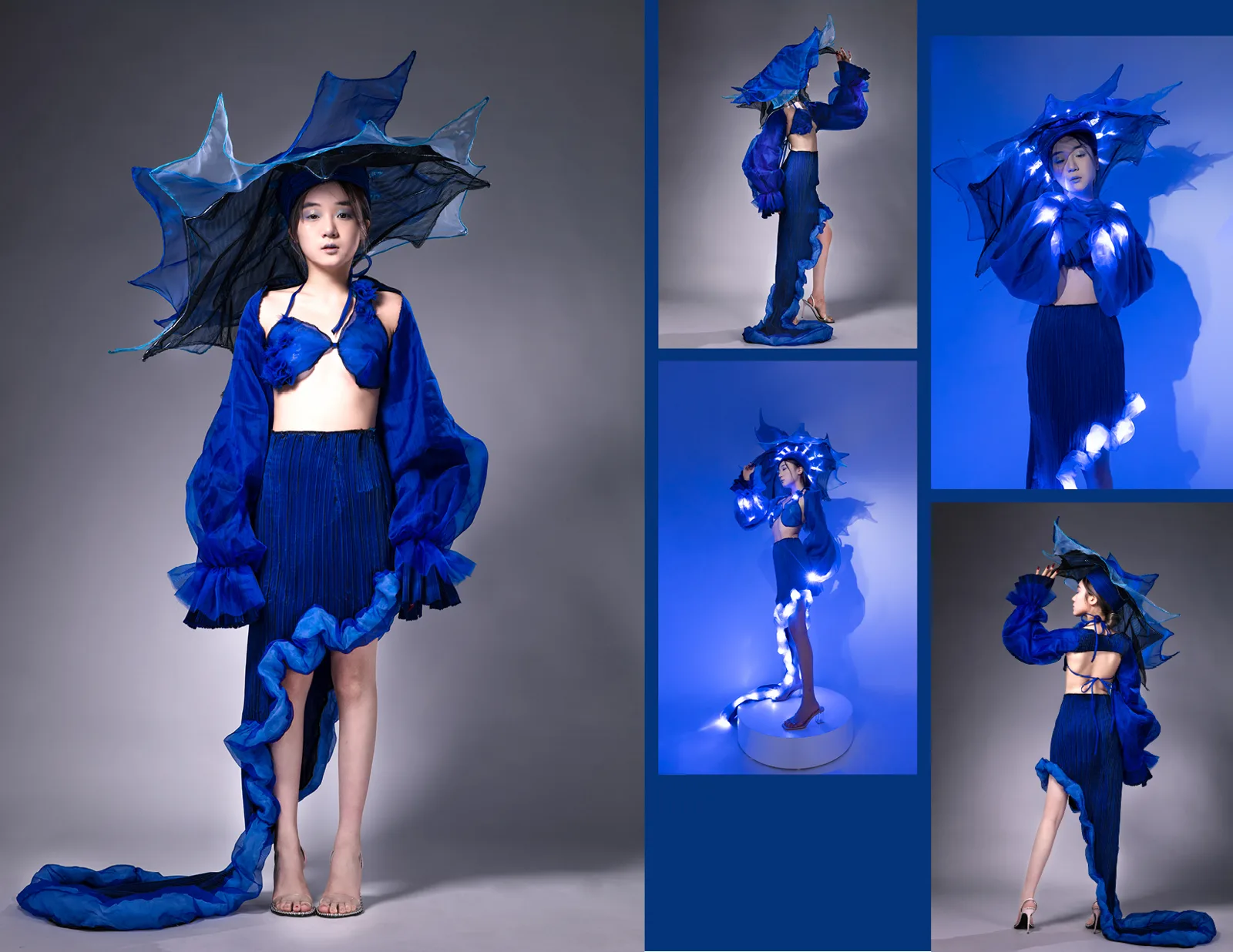 Fashion DesignPortfolio Development
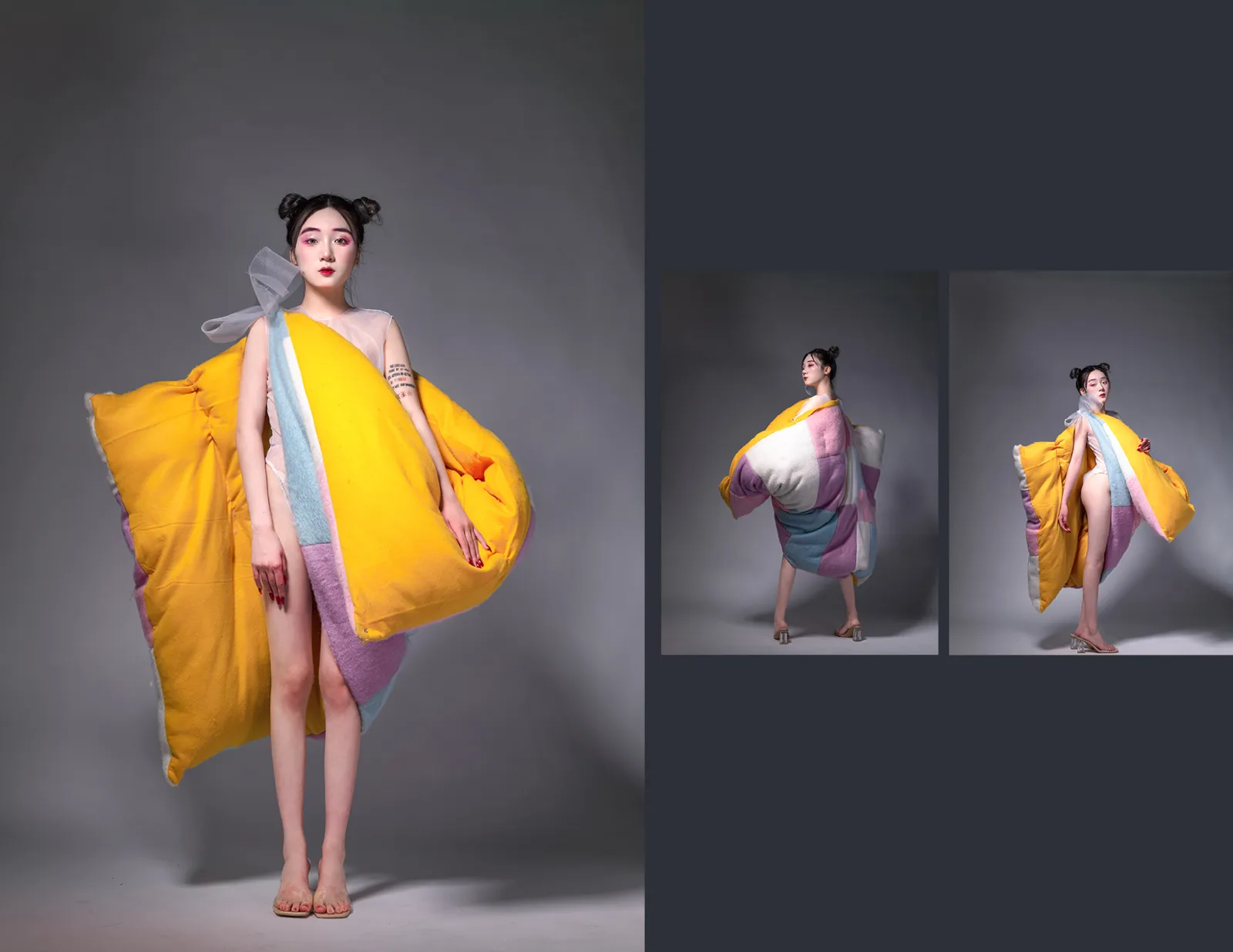 Fashion DesignPortfolio Development
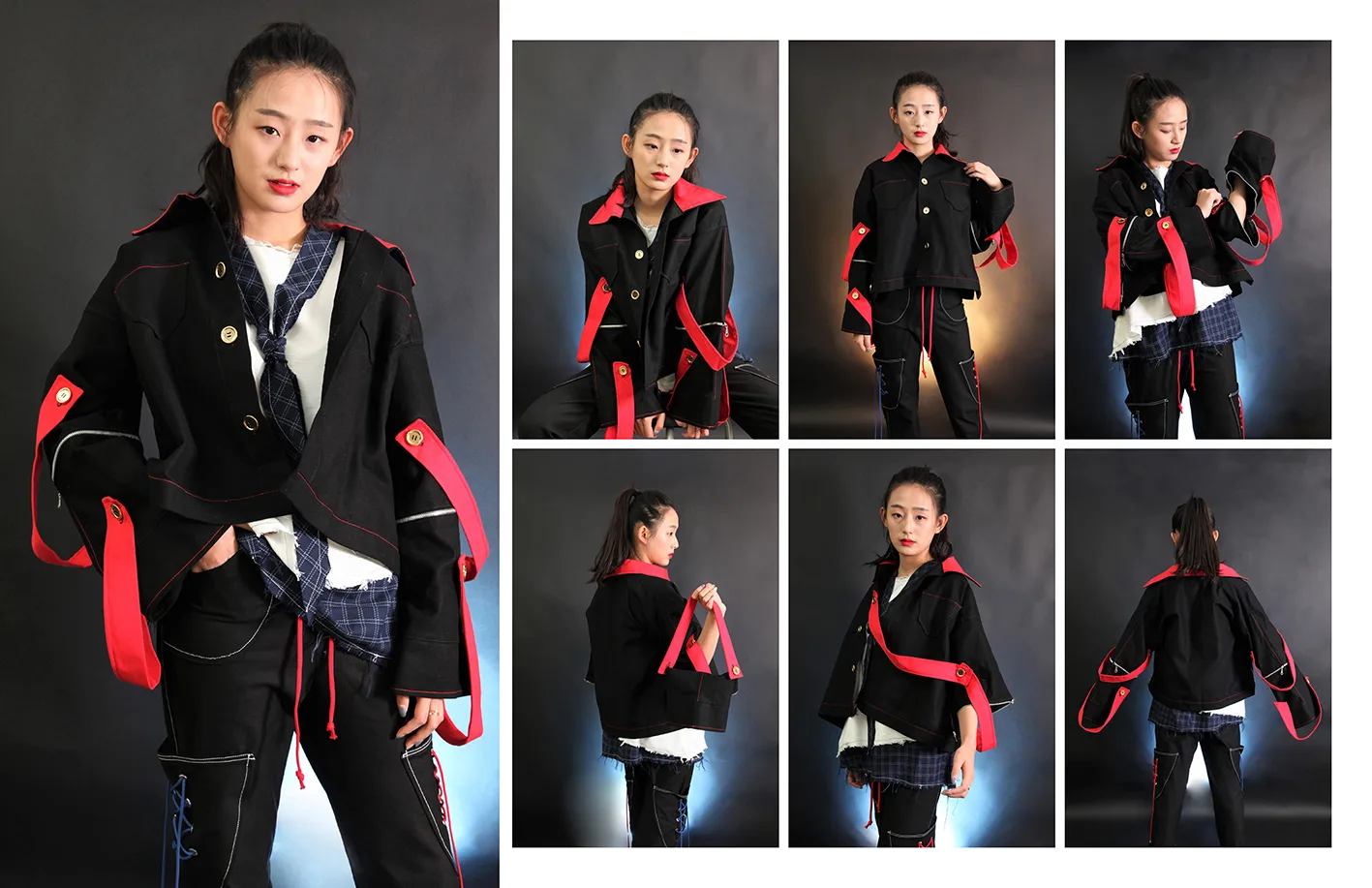 Fashion DesignPortfolio Development
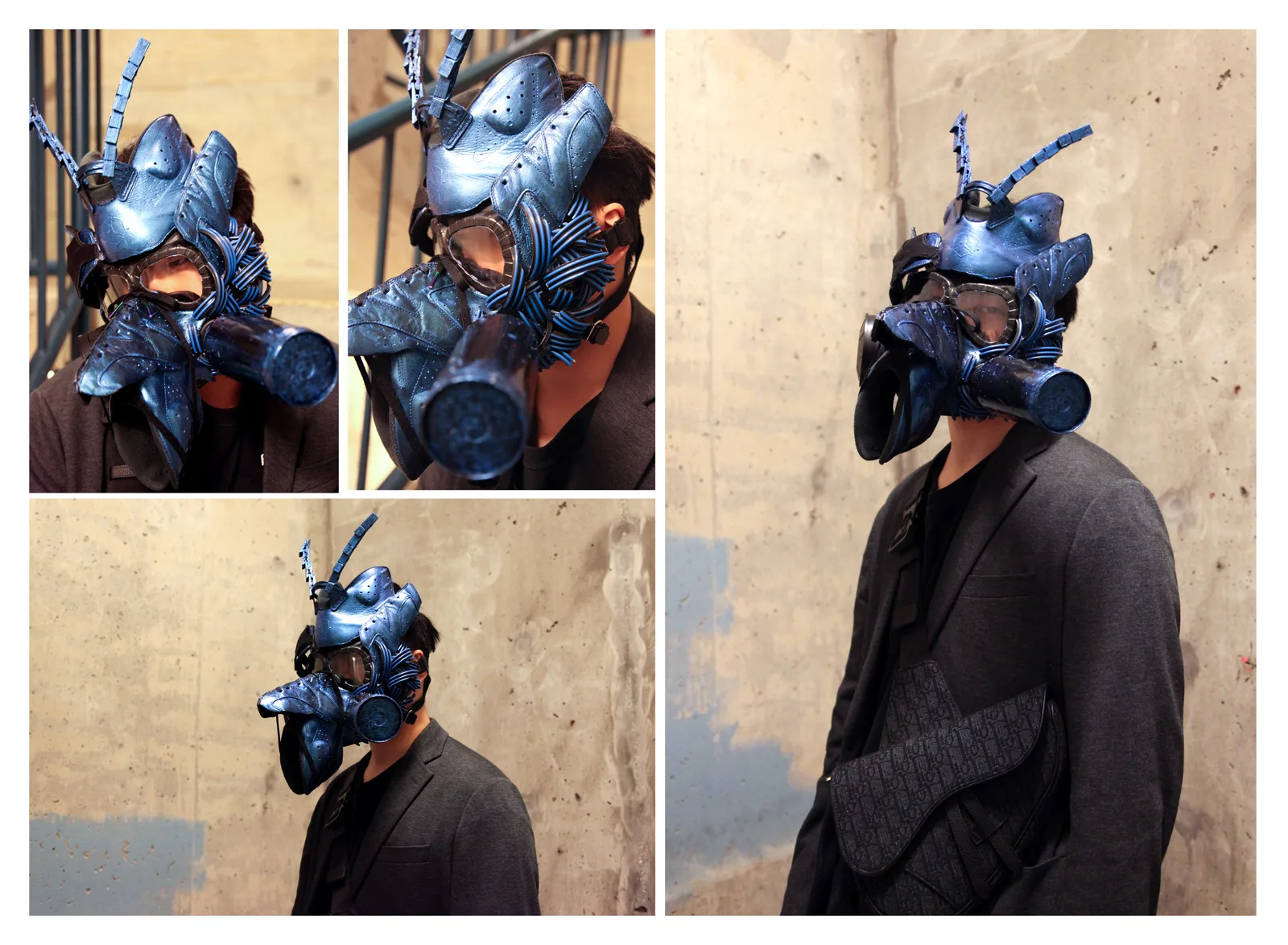 Fashion DesignPortfolio Development
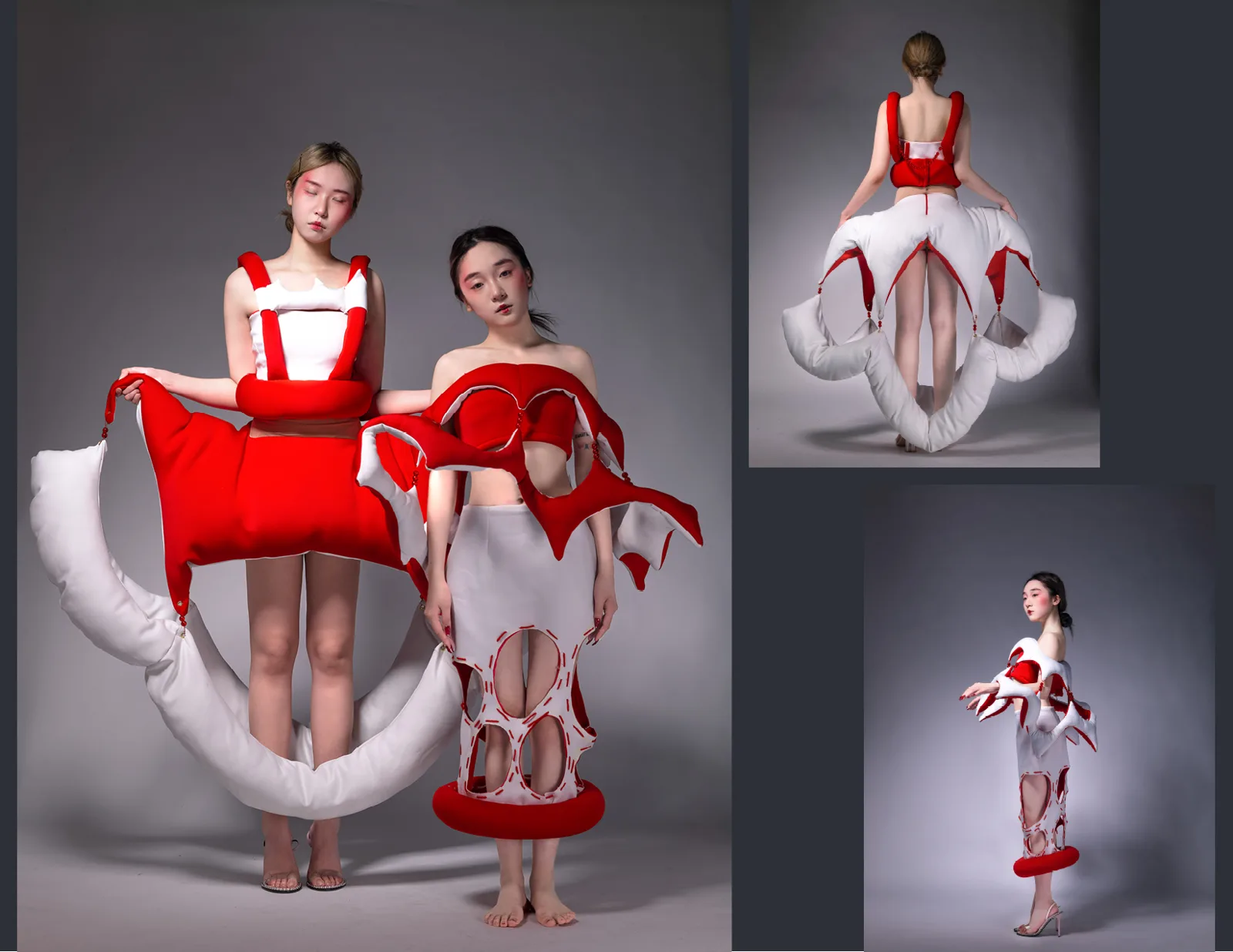 Fashion DesignPortfolio Development
Start with a portfolio assessment
Portfolio and AP tracks are by enquiry only. We look at your goals and current work first, then plan the course and hours around you.
Common questions
Do I need to know how to sew to apply to fashion school?
Usually not. Most programs teach construction from the start. Showing some hands-on experiments with fabric helps, but drawing, ideas and research matter most. Check each school's current requirements.
What should a fashion design portfolio include?
A mix of observational drawing, a sketchbook showing research and process, a focused design collection, and some work in other media. Requirements vary, so read each school's guidelines carefully before you finalize.