

Graphic Design
Type, brand and visual systems.
What this major can become
Real roles our students grow into, the industries that hire them — and why this path is a good bet.
Jobs you can do
- Graphic Designer
- Brand / Identity Designer
- Art Director
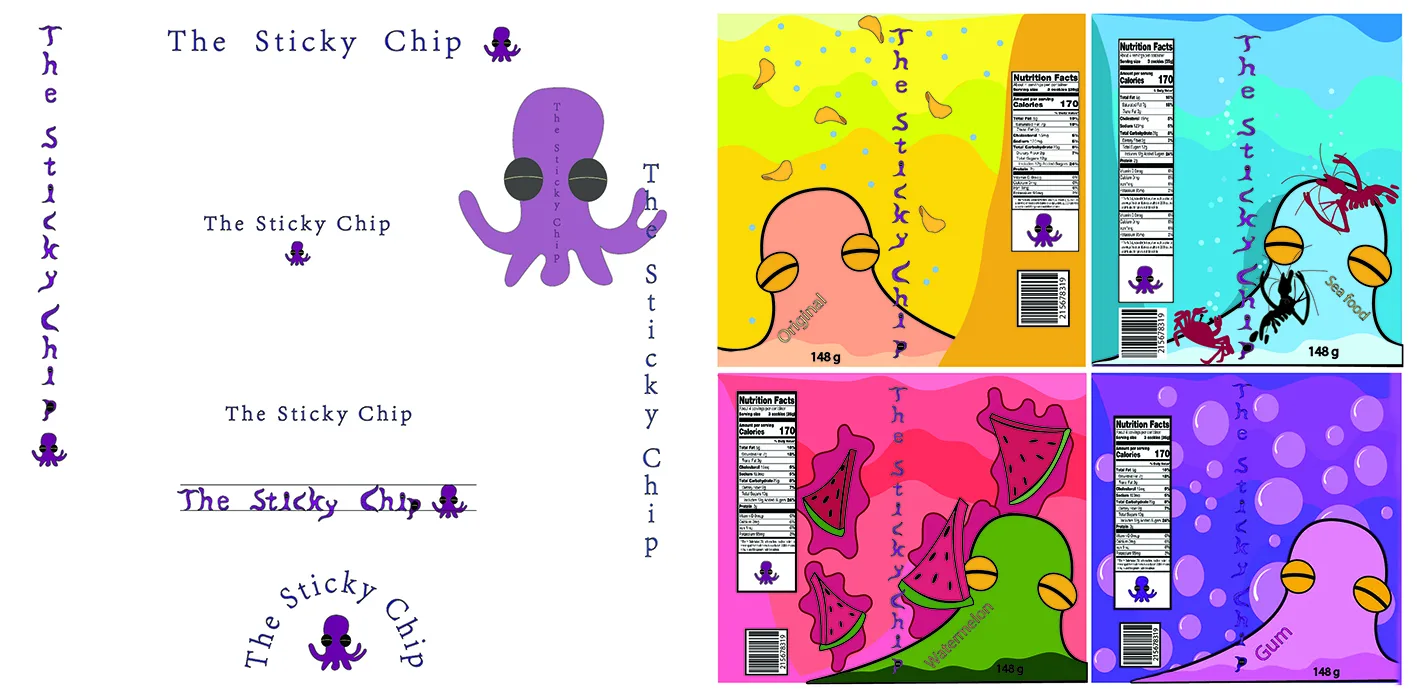
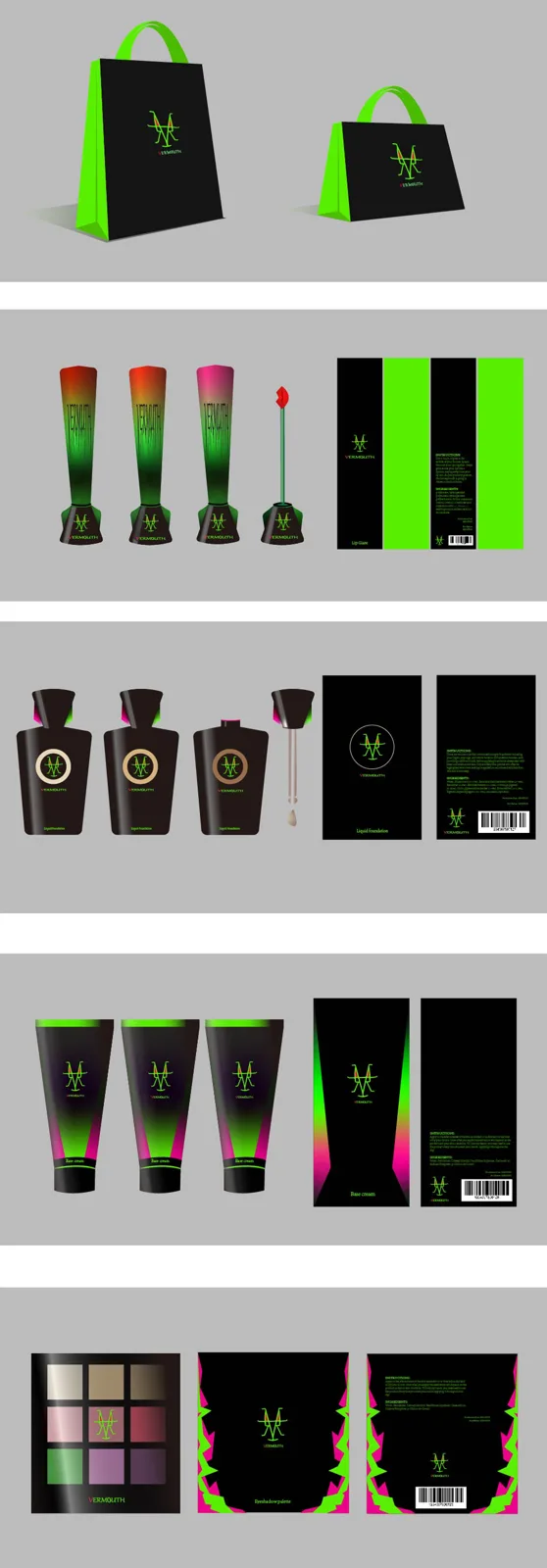
- Packaging Designer
- Type Designer
Industries that hire
Branding agencies, in-house design teams, publishing, advertising, social media
Why it’s a good bet
- Every company on earth needs visual communication
- Fast path to freelancing and your own studio
- Foundation for art direction, UX and motion careers
Recommended schools
Programs our Graphic Design students most often apply to — and get into.
How to build a Graphic Design portfolio that gets in
Graphic design schools look for ideas first and software skills second. Show that you can solve a visual problem, communicate clearly and explain your choices.
- 01
Lead with ideas, not effects
A clever concept in two colours beats a busy poster full of filters. Admissions readers want to see that you understood the message and found a fresh way to say it.
- 02
Take typography seriously
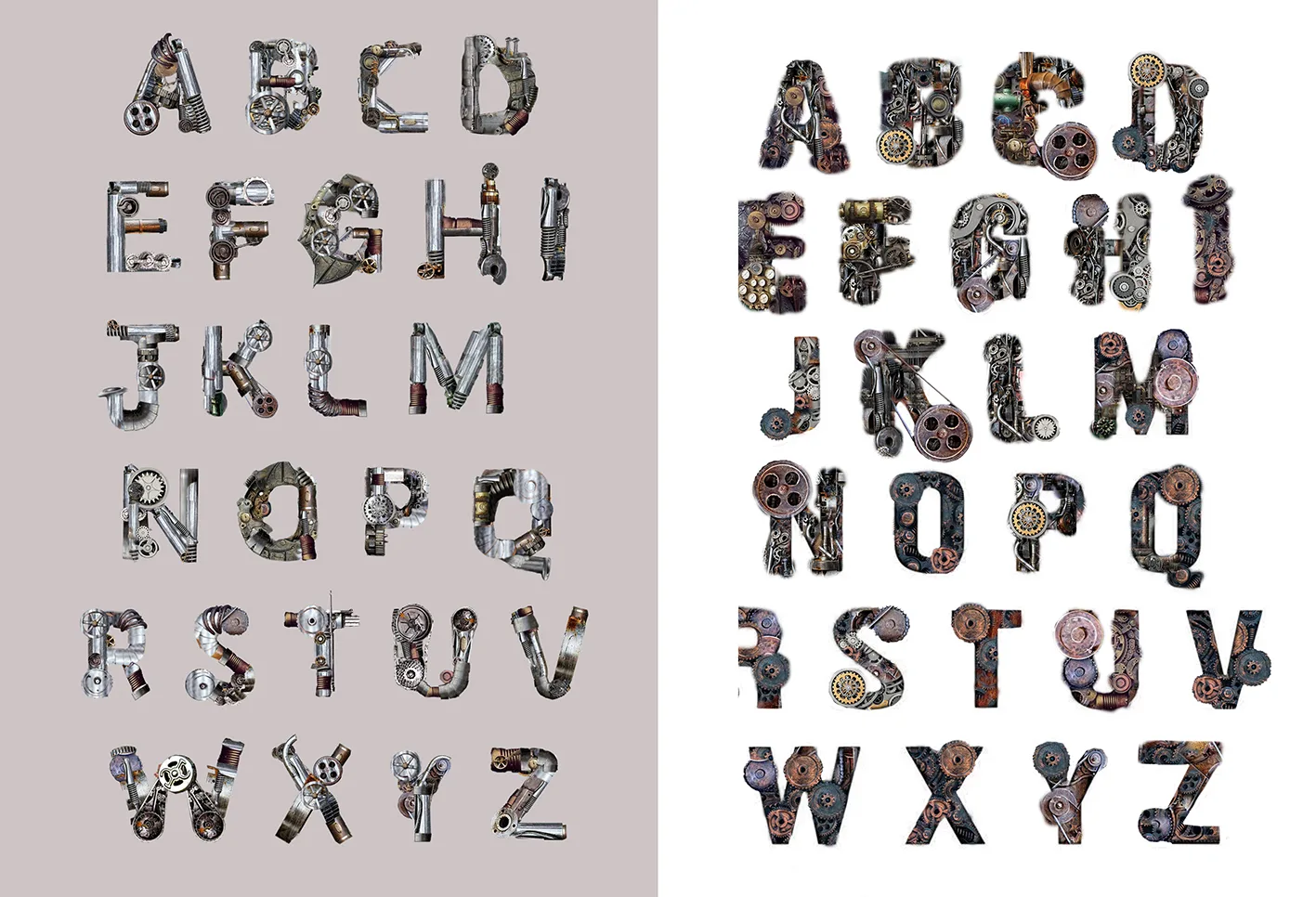
Type is the core of graphic design. Show you can choose, pair and space letterforms with care. Hand-lettering and type experiments are a great way to show sensitivity.
- 03
Show the process behind each project
Include thumbnails, rough drafts and rejected directions. Many programs want to see how you got to the final, because process reveals how you think and solve problems.
- 04
Design for real-world contexts
Posters, book covers, packaging, signage and identities show you understand audiences. Mock them up in context so reviewers can picture the work being used.
- 05
Keep drawing in the mix
Many art schools still want to see observational drawing alongside design work. Sketching sharpens composition and shows you can work beyond the computer.
- 06
Edit hard and sequence well
Fewer, stronger projects make a better impression than everything you have ever made. Open and close with your best work, and vary the types of projects in between.
Common mistakes to avoid
- Relying on templates, stock images or trendy filters
- Showing only finished pieces with no process
- Using too many fonts with no clear hierarchy
Want to know where your portfolio stands?
Bring your current work to a free review — a mentor will tell you the most useful next step.
What you'll learn
A staged path — fundamentals first, then specialization, then the portfolio itself.
Foundation training
Design schools still want to see you can draw and see.
- Observational drawing and mark-making
- Composition, hierarchy and the grid
- Typography fundamentals and letterform drawing
- Colour theory in practice
- Value, contrast and figure/ground
- Image-making across media
- Sketchbook and visual research habit
Graphic design specialization
Systems, not one-off posters.
- Logo design and brand identity systems
- Editorial and layout design
- Poster and campaign design
- Packaging and print production
- Type as image and expressive typography
- A full identity or editorial project
Portfolio & application
Range wins: drawing, making, and designing.
- Curating breadth: fine art, drawing and design together
- Showing process and iteration, not just finals
- School-specific requirements (RISD, OCAD, SAIC differ)
- Artist statement and written supplements
- Portfolio layout, photography and PDF export
- Mock interviews and portfolio reviews
Why students choose NPC
Portfolio prep is crowded. What is rare is a twenty-year record of actual offers, and mentors who have done the job.
20+ years and 3000+ graduates
Offers from Harvard, Cornell, RISD, Carnegie Mellon, Parsons, ArtCenter and USC — 900+ university offers and $60M+ in scholarships since 2007 — every year since 2012 published school by school.
Mentors from the industry
Art directors and artists whose work spans Disney and Nickelodeon films, LEGO films, Tencent and AAA games — people who know what a portfolio has to survive.
Fundamentals first, always
Admissions committees reject weak drawing before they ever reach your concept. We build observation, perspective, value and colour before specializing.
Built to each school’s requirements
CSM, Parsons, RISD and Sheridan all ask for different things. We build to the schools you are actually applying to — not a generic portfolio.
Graphic Design — made by our students
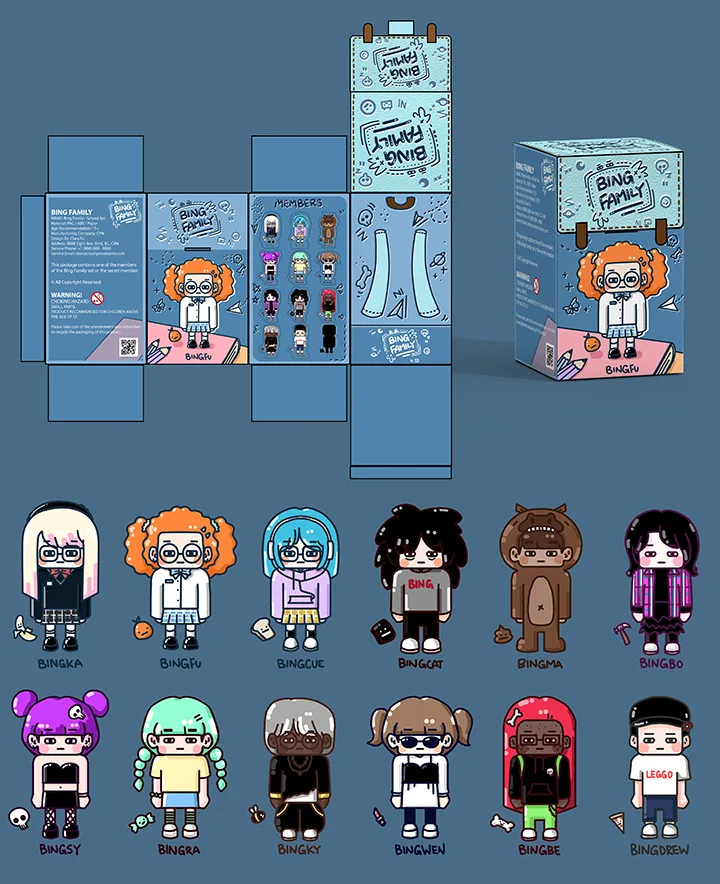 AP 2-D Design — packaging & character systemPortfolio Development
 Graphic DesignPortfolio Development
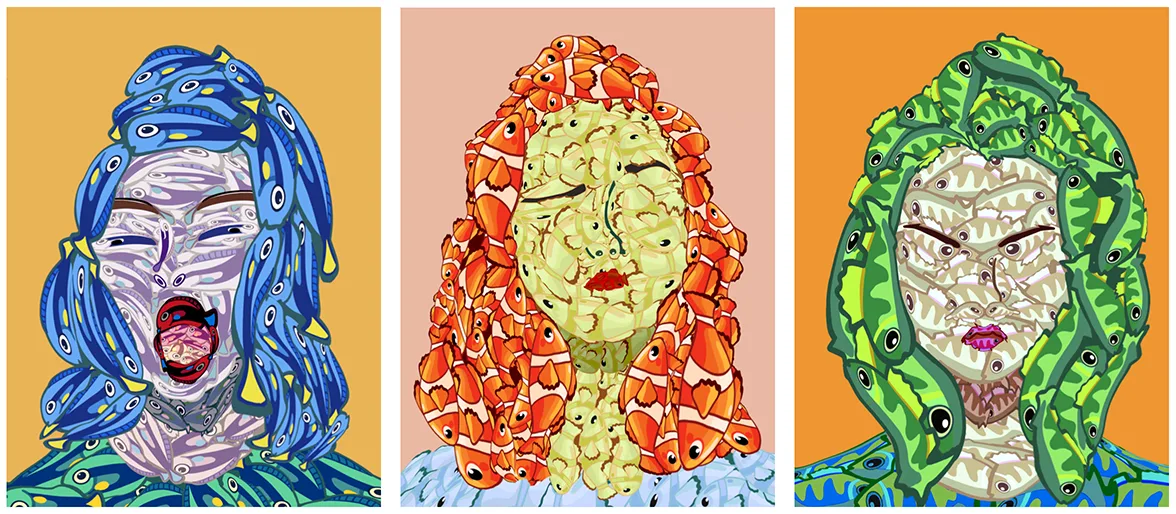
 Graphic DesignPortfolio Development
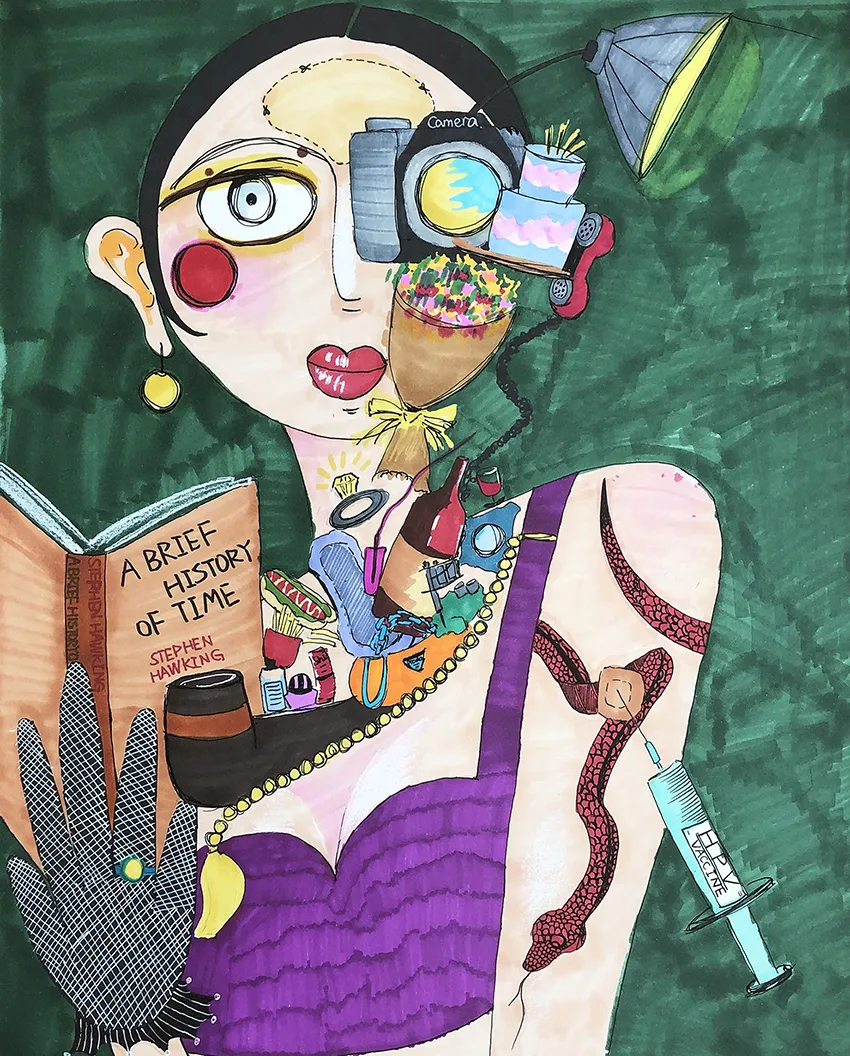
 Graphic DesignPortfolio Development
 Graphic DesignPortfolio Development
 Graphic DesignPortfolio Development
 Graphic DesignPortfolio Development
 Graphic DesignPortfolio Development
 Graphic DesignPortfolio Development
 Graphic DesignPortfolio Development
 Graphic DesignPortfolio Development
 Graphic DesignPortfolio Development
Start with a portfolio assessment
Portfolio and AP tracks are by enquiry only. We look at your goals and current work first, then plan the course and hours around you.
Common questions
Do I need to know Photoshop and Illustrator for a graphic design portfolio?
It helps, but schools care more about ideas and visual judgment than software. Many strong portfolios mix digital work with drawing, collage and hand-made type. You will learn the tools in depth once you are in.
What makes a graphic design portfolio stand out?
A clear personal voice, strong concepts and visible process. Show how you solve a communication problem, not just that you can make something look nice. Check each school's current portfolio guidelines too.