

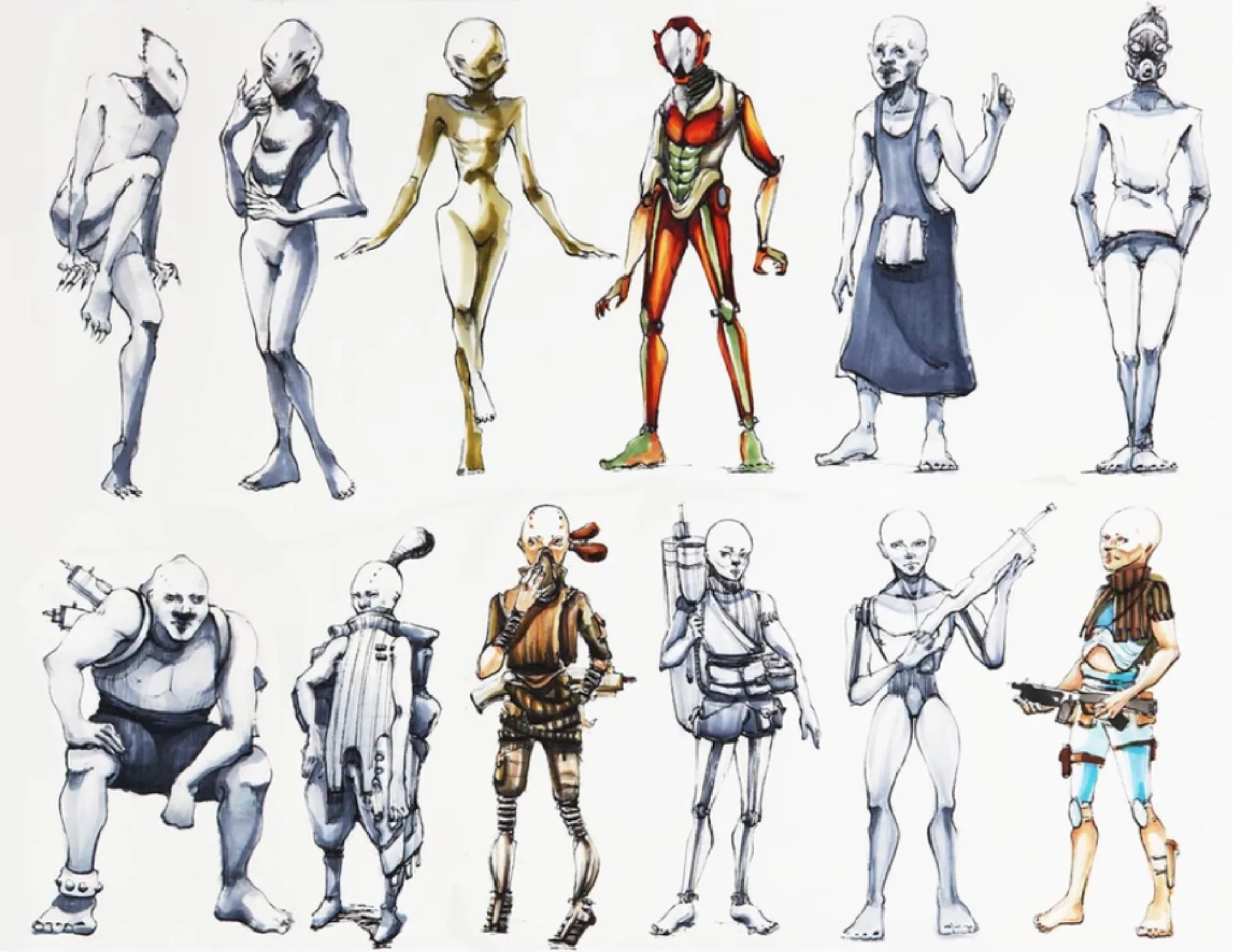



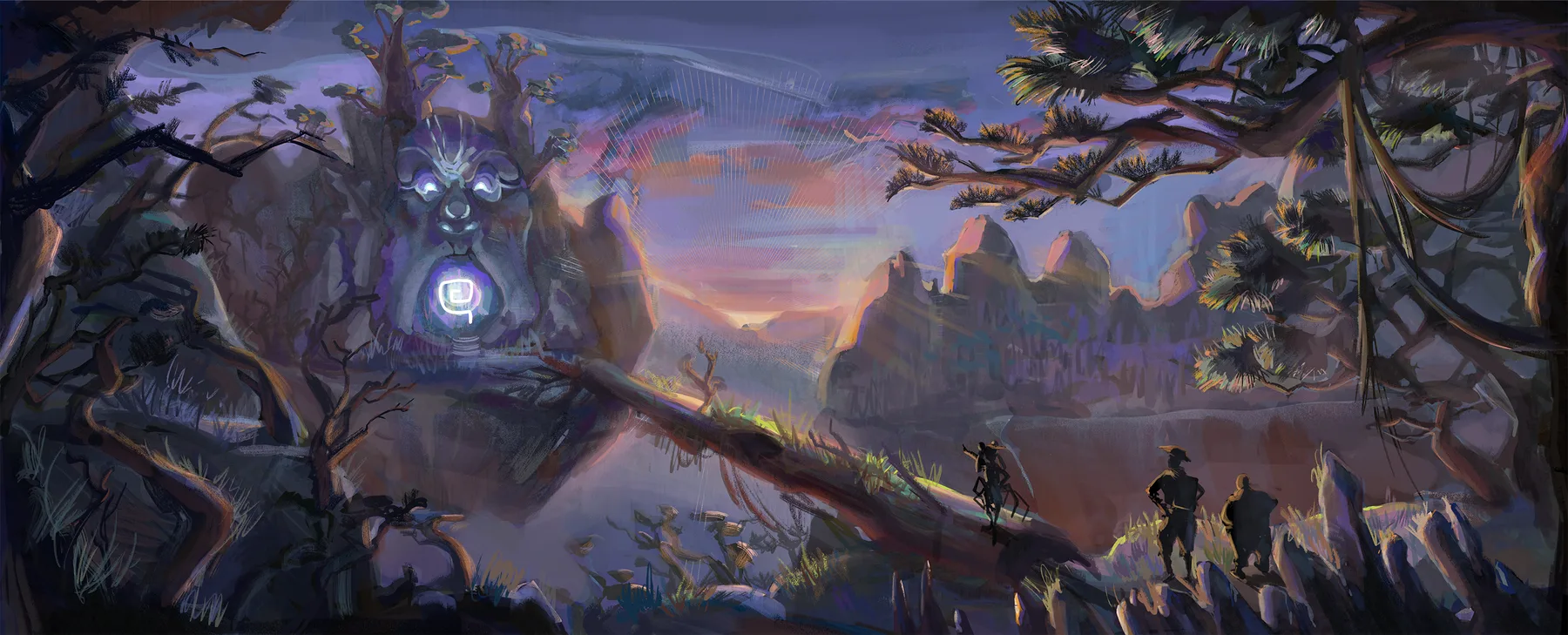
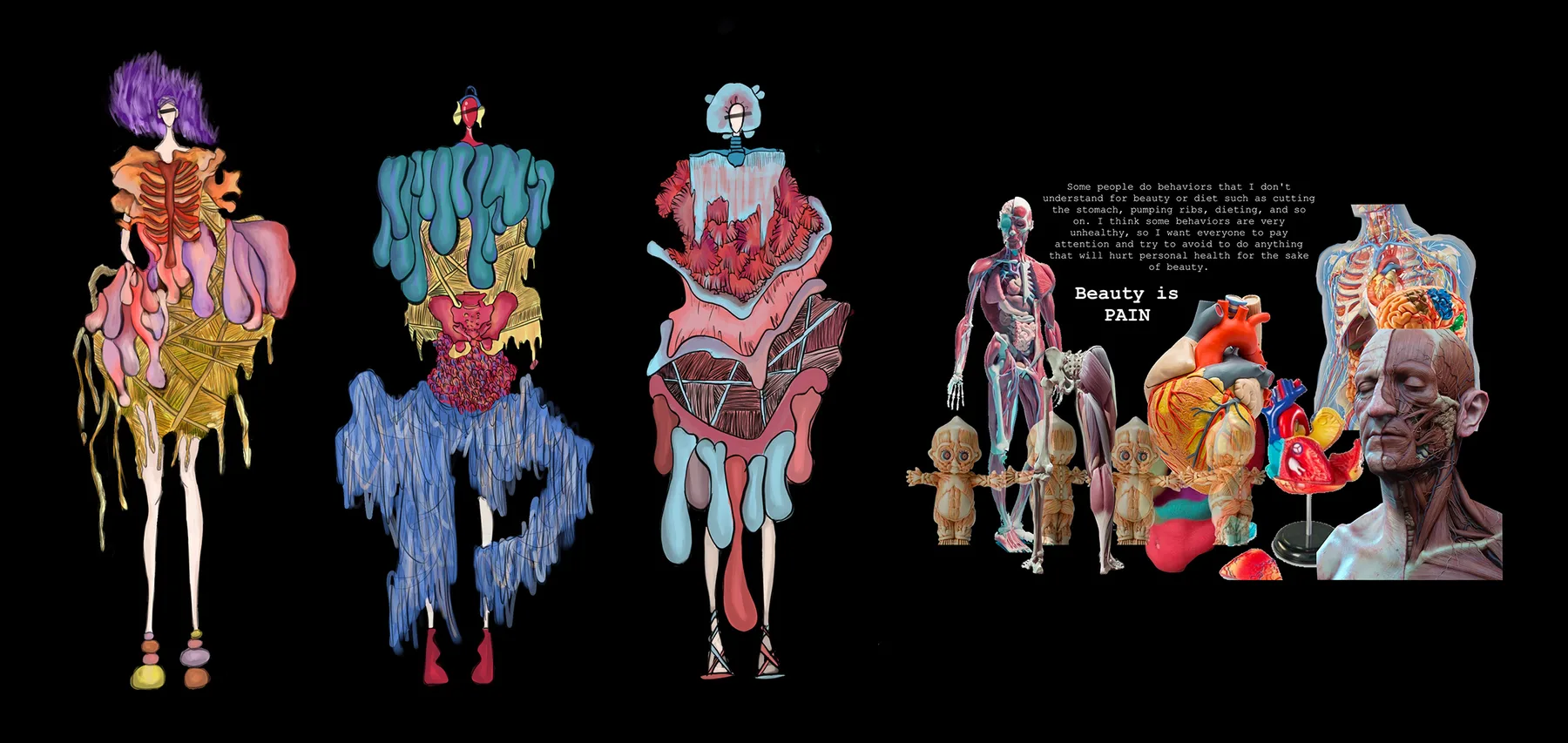
AP Drawing
Drawing as a discipline — mark-making, line, surface, space, light and shade.
What this AP portfolio requires
Your score (1–5) comes entirely from the portfolio — there is no written exam. It is submitted digitally through the AP Digital Portfolio.
Sustained Investigation
15 images — works, process, experimentation and revision
- Driven by your own inquiry question
- Must show practice, experimentation and revision
- Two written responses, 600 characters each
Selected Works
5 works shown in 5 images
- Skillful synthesis of materials, processes and ideas
- Written commentary for each work
- May come from your Sustained Investigation — or not
Drawing skills
Drawing skills: mark-making, line, surface, space, light and shade, and composition — demonstrated through a range of media.
One year recommended
Sustained Investigation needs real time to develop — we plan the full school year around the submission deadline.
Optional credited path
You can take this as a credited high-school course with us at NPC rather than after-school coaching. Just tell us when you enquire.
Target: a 4 or 5
We teach against the College Board rubric and mock-score your portfolio before you submit.
How to score a 4 or 5 in AP Drawing
AP Drawing is scored on a digital portfolio of your own work. Readers reward strong drawing skills used in service of a real idea you have explored over time.
- 01
Start with a question, not a subject
"Drawing my family" is a subject. "How can drawn marks show memory fading?" is an inquiry. Choose it early so your Sustained Investigation has room to grow and change.
- 02
Show drawing skill across many approaches
Readers look at line, mark-making, value, surface, space and composition. Push beyond pencil realism: try charcoal, ink, erasure, collage or digital drawing. Range should serve the idea, not replace it.
- 03
Revise in public
Practice, experimentation and revision are part of the score. Include studies, alternate versions and pieces you reworked after critique. Show what you learned from each step.
- 04
Connect writing directly to images
Your written responses should explain your inquiry and how specific drawings developed it. Name materials, processes and decisions plainly. Check the current College Board course description for exact prompts.
- 05
Read the rubric before you plan
The scoring guidelines describe what separates strong portfolios from average ones. Use them as a checklist each month. At NPC we review work against the rubric with students regularly.
- 06
Photograph drawings properly
Shoot flat, square-on, in diffused daylight, without glare or shadows. Keep the true value range; don't over-brighten graphite. Save high-resolution files and back them up.
Common mistakes to avoid
- Filling the portfolio with copied photos rendered realistically and nothing more
- Choosing the inquiry in spring and rushing the investigation
- Writing vague statements that never mention specific works
Want to know where your portfolio stands?
Bring your current work to a free review — a mentor will tell you the most useful next step.
What you'll learn
A staged path — fundamentals first, then specialization, then the portfolio itself.
Foundations & skill building
AP Drawing is scored on drawing skill. There is nowhere to hide.
- Mark-making and expressive line
- Observational drawing from life
- Surface, texture and material handling
- Space, perspective and composition
- Light, shade and value structure
- Working across drawing media
Sustained Investigation (60%)
15 images driven by your own inquiry question — the heart of the score.
- Finding an inquiry question worth a year of work
- Practice, experimentation and revision — and proving it
- Documenting process, sketches and failed attempts
- Writing the two required responses (600 characters each)
- Pushing the investigation beyond the obvious
- Curating the strongest 15 images
Selected Works & submission (40%)
5 works, 5 images — your best pure drawing.
- Choosing 5 works that showcase drawing skill
- Writing commentary: materials, processes, ideas
- Photographing and editing images to AP standard
- Academic integrity and citing any source material
- Uploading to the AP Digital Portfolio
- Mock scoring against the AP rubric before you submit
Why students choose NPC
Portfolio prep is crowded. What is rare is a twenty-year record of actual offers, and mentors who have done the job.
20+ years and 3000+ graduates
Offers from Harvard, Cornell, RISD, Carnegie Mellon, Parsons, ArtCenter and USC — 590 offers and $19.6M in scholarships in the last six years alone, published school by school.
Mentors from the industry
Art directors and artists whose work spans Disney and Nickelodeon films, LEGO films, Tencent and AAA games — people who know what a portfolio has to survive.
Fundamentals first, always
Admissions committees reject weak drawing before they ever reach your concept. We build observation, perspective, value and colour before specializing.
Built to each school’s requirements
CSM, Parsons, RISD and Sheridan all ask for different things. We build to the schools you are actually applying to — not a generic portfolio.
Start with a portfolio assessment
Portfolio and AP tracks are by enquiry only. We look at your goals and current work first, then plan the course and hours around you.
Common questions
How is AP Drawing scored?
AP Drawing has no written exam. Trained readers score your Sustained Investigation and Selected Works against the College Board rubric, looking at inquiry, practice and revision, and drawing skill. Check the current course description for the full scoring guidelines.
Is AP Drawing good for art school applications?
Yes. The same habits AP rewards, investigation, experimentation and observational skill, are what many art schools look for. Strong pieces from your AP portfolio can often go straight into a university portfolio.