

Industrial Design
Products, prototyping and form.
What this major can become
Real roles our students grow into, the industries that hire them — and why this path is a good bet.
Jobs you can do
- Industrial / Product Designer
- Furniture Designer
- Toy Designer
- CMF Designer
- Design Engineer
Industries that hire
Consumer electronics, automotive, furniture, medical devices, consumer goods
Why it’s a good bet
- Physical products need humans — hands-on prototyping is the moat
- Sits between engineering and art: two career doors open
- From sneakers to spacecraft — huge range of industries
Recommended schools
Programs our Industrial Design students most often apply to — and get into.

How to build an Industrial Design portfolio that gets in
Industrial design schools want to see that you can spot a real problem and work your way to a useful, well-made object. Your portfolio should be full of sketches, prototypes and clear thinking.
- 01
Start from a real problem
The strongest projects begin with something you noticed: a tool that's awkward to hold or a product that breaks too easily. Explain who it's for and why it matters.
- 02
Sketch a lot, and show it
Industrial design runs on fast ideation sketching. Include pages of rough thumbnails, perspective views and variations so readers can see how many ideas you explored.
- 03
Build and test prototypes
Foam, cardboard, clay or 3D-printed mock-ups show you think with your hands. Photograph people holding or using them, and note what you changed after testing.
- 04
Practise perspective and form drawing
Clean drawings of boxes, cylinders and everyday objects in perspective are a core skill. Steady, confident line work tells schools you're ready for studio training.
- 05
Lay out each project like a story
Problem, research, sketches, prototypes, final design. A clear, simple layout with short captions helps a busy reader follow your thinking quickly.
- 06
Balance design with art foundations
Include some observational drawing or fine art to show your eye for form, light and composition. Many programs value this foundation alongside design projects.
Common mistakes to avoid
- Showing only polished renders with no sketches or prototypes
- Designing 'cool' concepts that solve no real need
- Cramming pages with text instead of clear visuals
Want to know where your portfolio stands?
Bring your current work to a free review — a mentor will tell you the most useful next step.
What you'll learn
A staged path — fundamentals first, then specialization, then the portfolio itself.
Foundation training
Product schools test drawing and form before software.
- Observational drawing and still life
- Perspective and constructing form in space
- Proportion, ellipses and precision line work
- Value, light, shadow and reflection
- Colour and material studies
- Composition and page layout
- Sketchbook ideation habit
Industrial design specialization
From sketch to something you can hold.
- Rapid ideation and thumbnail sketching
- Form development and refinement
- Marker and digital rendering
- Prototyping in foam, clay and 3D print
- Materials and manufacturing basics
- A complete product project, brief to model
Portfolio & application
Show the thinking, not only the hero render.
- Curating projects that lead with sketching ability
- Documenting process: iterations and prototypes
- School-specific requirements (ArtCenter, CCA differ)
- Artist statement and design rationale
- Photographing models and portfolio layout
- Mock interviews and portfolio reviews
Why students choose NPC
Portfolio prep is crowded. What is rare is a twenty-year record of actual offers, and mentors who have done the job.
20+ years and 3000+ graduates
Offers from Harvard, Cornell, RISD, Carnegie Mellon, Parsons, ArtCenter and USC — 590 offers and $19.6M in scholarships in the last six years alone, published school by school.
Mentors from the industry
Art directors and artists whose work spans Disney and Nickelodeon films, LEGO films, Tencent and AAA games — people who know what a portfolio has to survive.
Fundamentals first, always
Admissions committees reject weak drawing before they ever reach your concept. We build observation, perspective, value and colour before specializing.
Built to each school’s requirements
CSM, Parsons, RISD and Sheridan all ask for different things. We build to the schools you are actually applying to — not a generic portfolio.
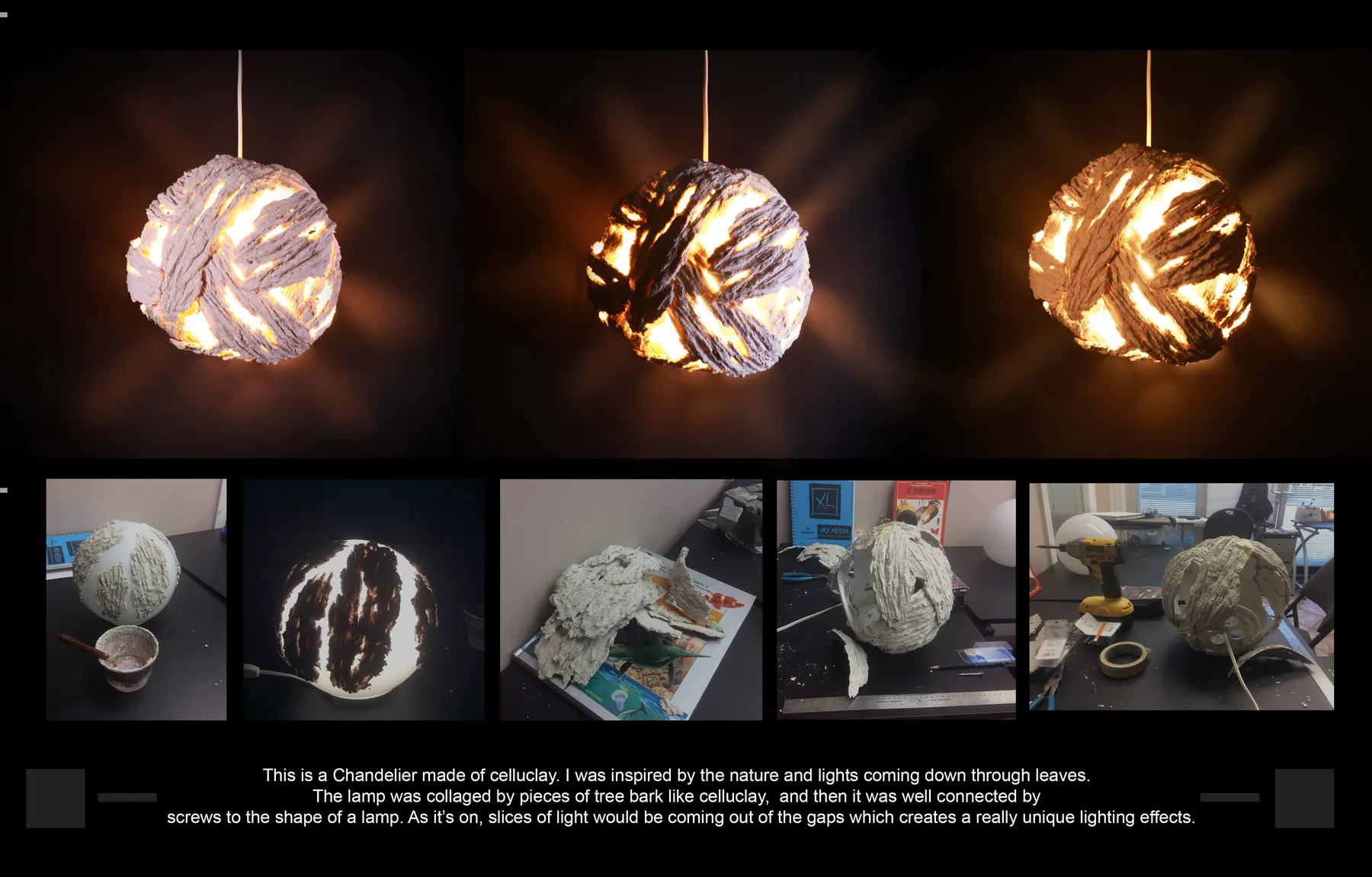
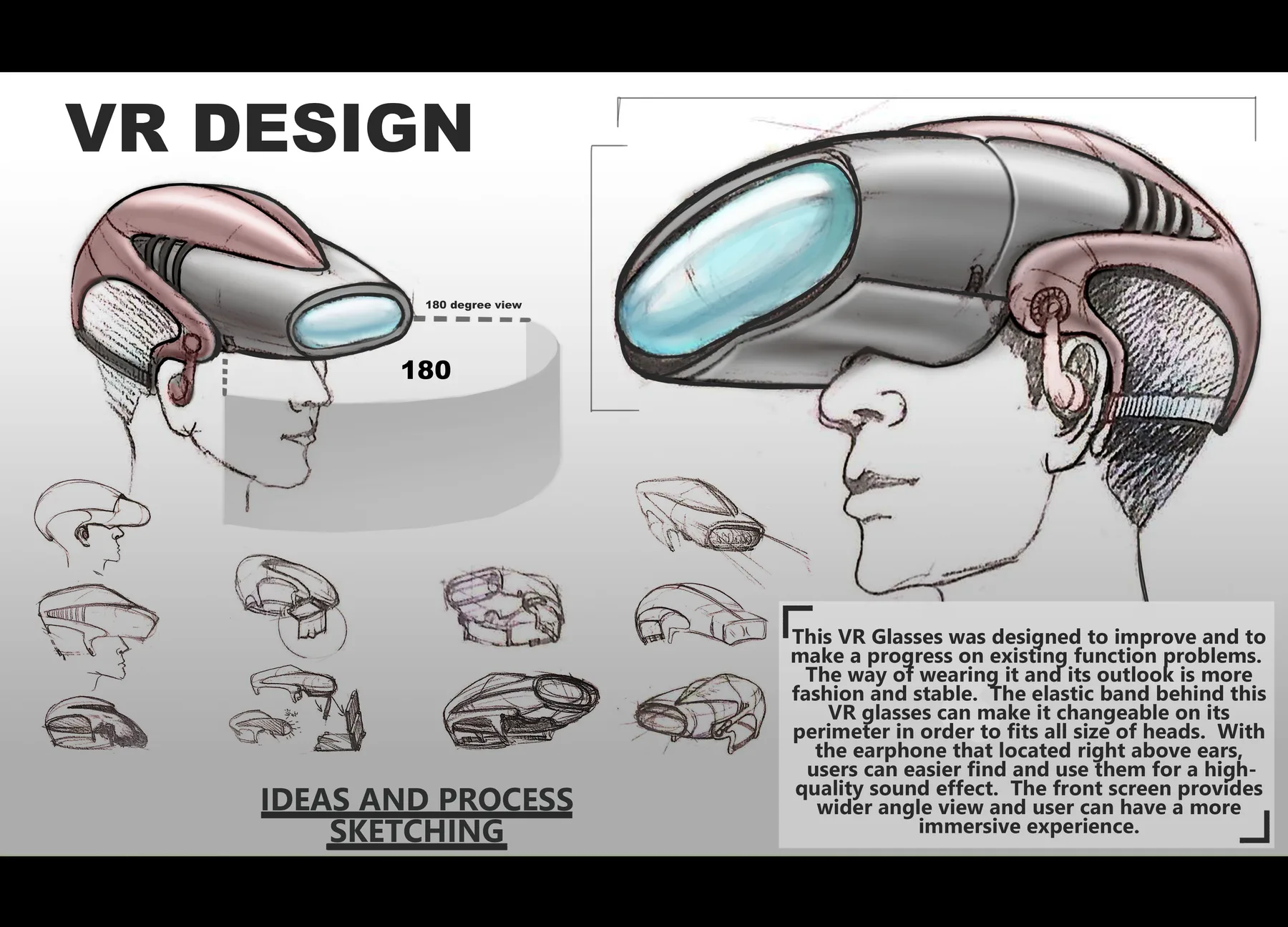
Industrial Design — made by our students
 Industrial DesignPortfolio Development
 Industrial DesignPortfolio Development
 Industrial DesignPortfolio Development
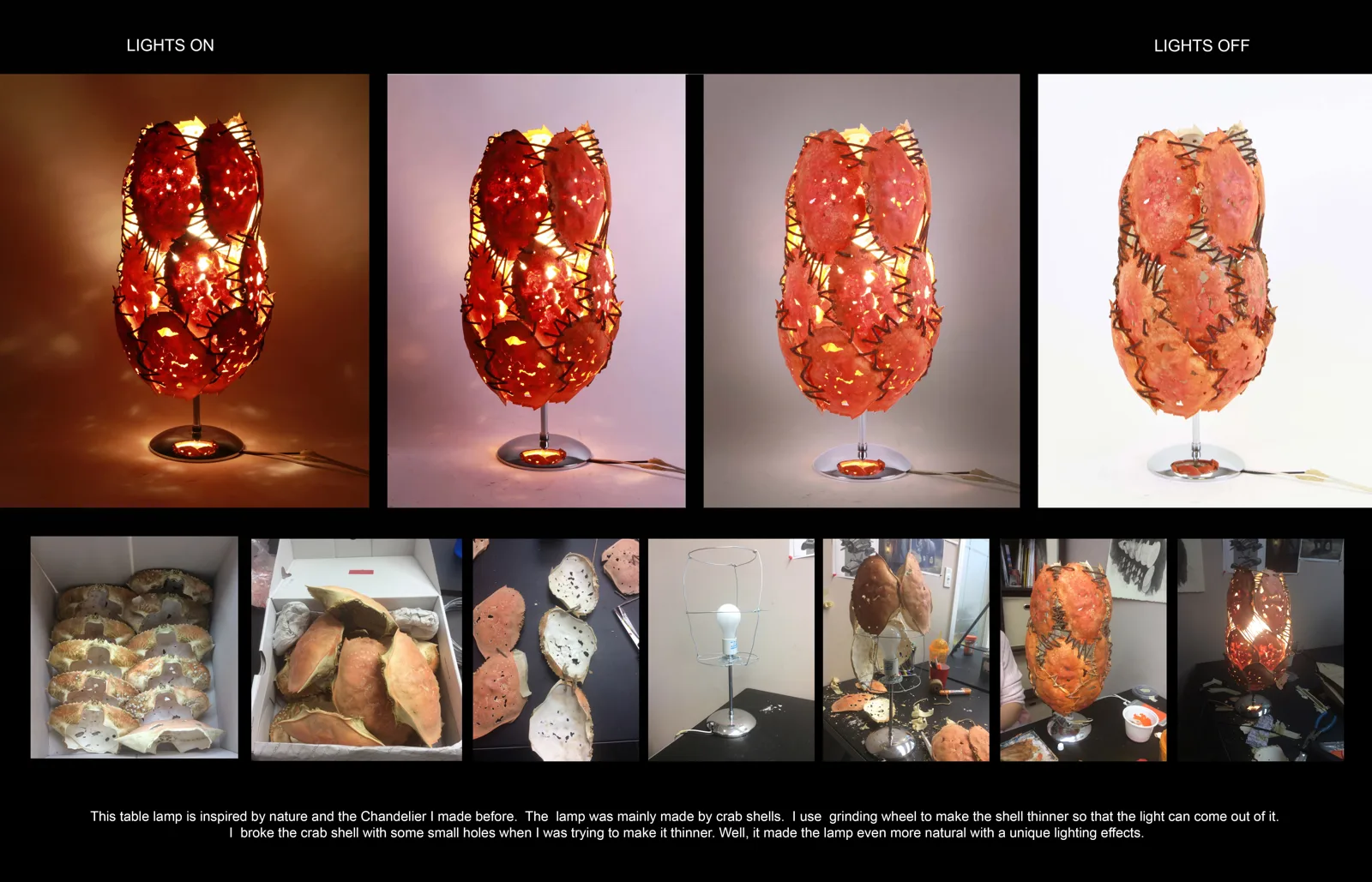 Industrial DesignPortfolio Development
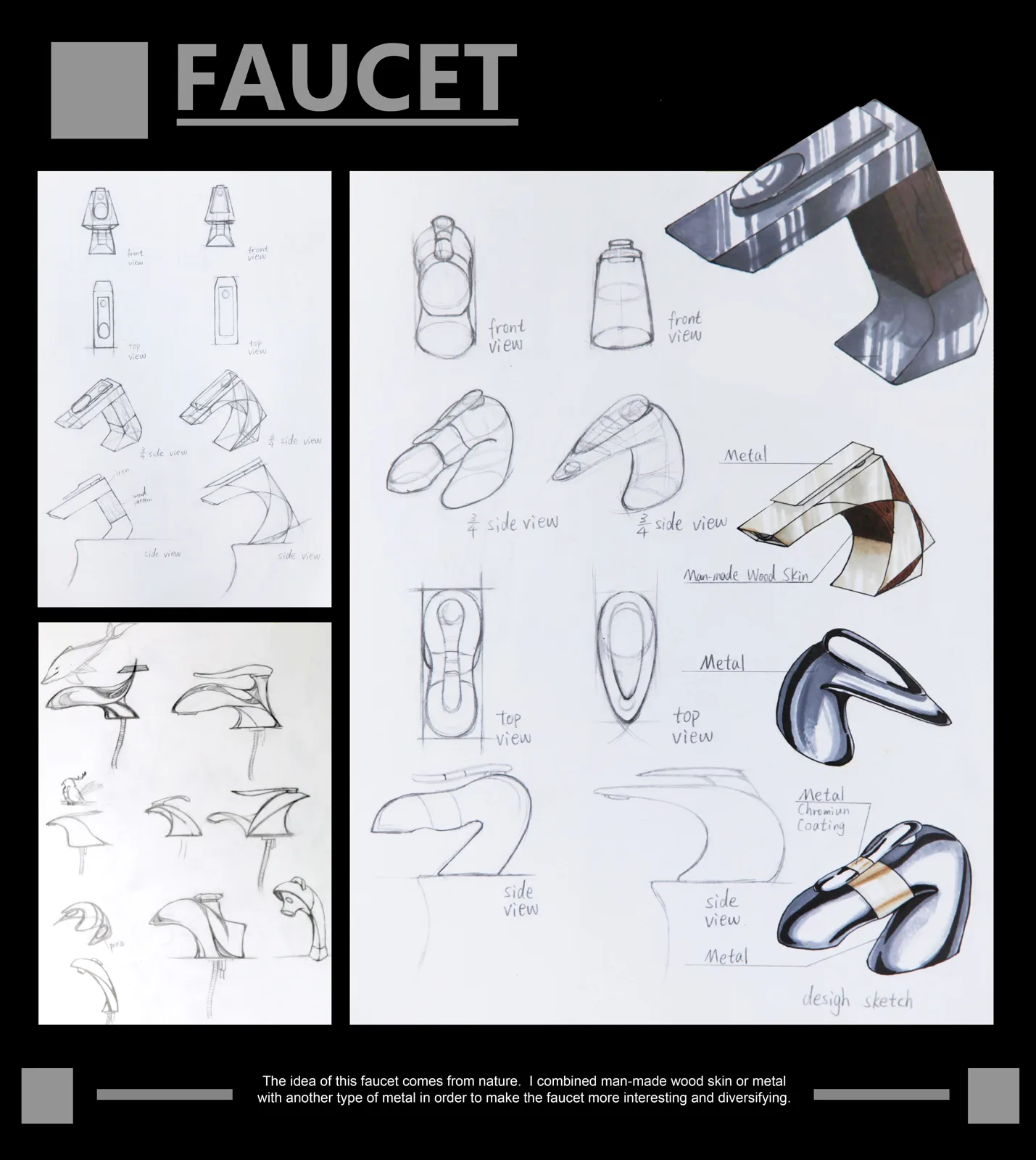 Industrial DesignPortfolio Development
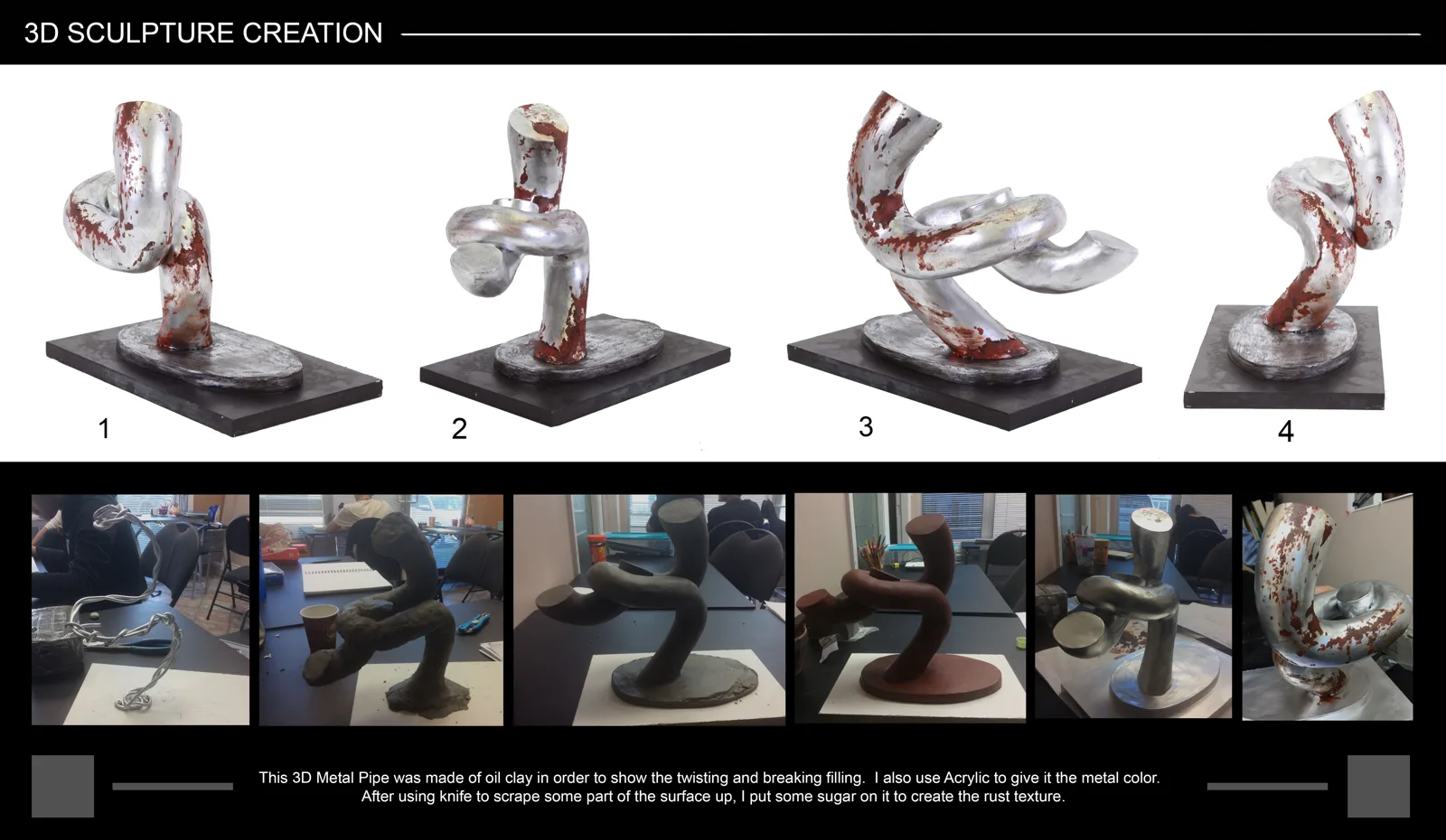 Industrial DesignPortfolio Development
Start with a portfolio assessment
Portfolio and AP tracks are by enquiry only. We look at your goals and current work first, then plan the course and hours around you.
Common questions
What do industrial design schools look for in a portfolio?
They generally look for problem-solving, lots of sketching, hands-on prototyping and a clear design process. Strong perspective drawing and an eye for form also matter. Check each school's current requirements, as some ask for specific prompts or formats.
Do I need 3D modelling or CAD skills to apply?
Not usually. Programs teach CAD once you're enrolled, and they care more about ideas, sketching and physical models. If you already use 3D tools, include them where they help, but don't let renders replace your process.